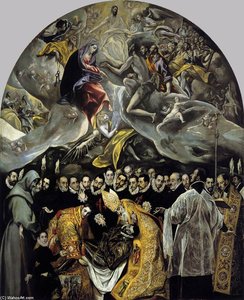
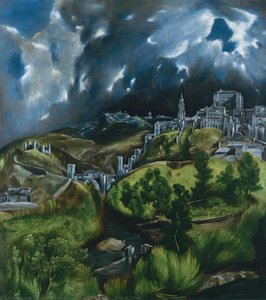
x


 Naročite reprodukcijo Kupi digitalno sliko
 Pošlji
 Podrobnosti o delu
 Dodaj v priljubljene
 Prenesi
 Podobni izdelki
 Rentgenski posnetek
 Predvajaj diaporama
 Akril na platnuStenska umetnostmannerism
 1610Renesanca
 110.0 x 64.0 cm
 Metropolitanski muzej umetnosti
Giclée ali platnati odtis muzejske kakovosti z hitro proizvodnjo in prilagodljivimi možnostmi končne obdelave.





























Izberite eno od naših vnaprej določenih velikosti, ki ustrezajo prvotnim proporcijam umetničkega dela.

Svoje dimenzije lahko vnesete sami, da bodo ustrezne za določen okvir ali prostor. Če izbrana velikost ne bo skladna z razmerji izvirne slike, bomo umetniško delo orezali ali podaljšali s pomočjo ogledalnega odraza ali barvno polnega roba. Pred začetkom proizvodnje vam bomo poslali digitalni predogled za potrditev.
Upoštevajte, da predogled na zaslonu ne prikazuje dejanskega orezovanja ali podaljševanja. Le digitalni predogled bo natančno prikazal končno kompozicijo.
Čeprav so na voljo prilagojene velikosti, priporočamo izbiro dimenzije s predhodno določenega seznama, da ohranite prvotna razmerja.
Globalna dostava () v 2 tednih namesto standardnih 4/5 tednov. (22 julij)


Saint Andrew
Velikost reprodukcije
Doménikos Theotokópoulos, universally known as El Greco – “the Greek” – stands apart in the annals of art history as a painter who wrestled with both Byzantine tradition and Western innovation. Born in Crete in 1541, amidst the waning Venetian dominion, his artistic odyssey traversed Venice and Rome before anchoring him firmly in Spain’s Toledo, where he forged a singular style that foreshadowed the expressive fervor of Expressionism and the fractured perspectives of Cubism centuries hence.
El Greco wasn't merely responding to his surroundings; he actively synthesized them into something profoundly original. His early training within Byzantine iconography instilled in him meticulous detail and an acute understanding of religious symbolism—a foundation that wouldn’t confine him. He signed his canvases in Greek, appending “Krḗs” – Cretan – as a defiant assertion of his heritage, even as he embraced new artistic horizons.
The workshop replica of Saint Andrew, housed at The Metropolitan Museum of Art in New York, offers a glimpse into the artist’s masterful approach. Measuring 110 x 64 cm, it exemplifies El Greco's ability to fuse Byzantine solemnity with Western artistic experimentation.
Historical Context: This painting is a reflection of El Greco’s larger canvas, Saints Andrew and Francis (circa 1595), residing in Madrid’s Museo del Prado. The popularity of El Greco’s style during his lifetime underscores its enduring resonance. Saint Andrew's martyrdom—a poignant symbol of sacrifice for faith—is portrayed with palpable emotion.
Symbolism: The outstretched arms of Saint Andrew convey humility and supplication, while the two crosses he holds represent Christ’s crucifixion and symbolize redemption. The cloudy backdrop contributes to an atmosphere of spiritual contemplation.
El Greco's influence extends far beyond his own time. He is regarded as a precursor to movements like Expressionism and Cubism, inspiring artists and writers alike—Rainer Maria Rilke and Nikos Kazantzakis among them. Saint Andrew by El Greco remains an unforgettable testament to artistic genius and spiritual conviction.
For those seeking inspiration or contemplating acquiring a high-quality reproduction of this iconic artwork, further exploration into El Greco’s oeuvre is highly recommended.

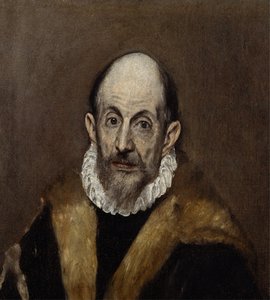
1541 - 1614 , Grčija

Odkrijte 25 mojstrovin El Greca! Preučite zgodbe, tehnike in navdih za njegove najbolj znane slike. Renesansa, manierizem & verske teme – vse na Most-Famous-Paintings.com. Kupite reprodukcije visoke kakovosti in obogatite svoj dom z umetnostjo.

Odkrijte 25 mojstrovin Claude Moneta – impresionističnih biserov, ki so spremenile svet umetnosti. Preberite zgodbe za slikami, tehniko in navdih. Kvalitetne reprodukcije na Most-Famous-Paintings.com! Raziskajte celotno zbirko online.

Explore the captivating world of El Greco! Discover his unique style, spiritual intensity, and lasting impact on art history. Learn about this Renaissance master's life, iconic paintings & legacy.
Odkrijte 25 mojstrovin Paula Cézanna – od impresionističnih krajin do revolucionarnih tihožitij. Preberite zgodbe za vsako sliko, tehnike in navdih. Kvalitetne reprodukcije slik na Most-Famous-Paintings.com!
Odkrijte 25 mojstrovin Alte Pinakothek v Münchnu! Renesansa, barok – Rembrandt, Dürer in druge legende. Kvalitetne reprodukcije slik za vaš dom na Most-Famous-Paintings.com. Navdihnite se in kupite umetnino online!


Bodite na sešte, s najnovejšimi novicami iz sveta umetnosti, ekskluzivnimi ponudbami in idejami za dekoracijo.
Povejte nam o svojem projektu in naši strokovnjaki za umetnost vam bodo pripravili 3 prilagojene predloge umetniških del.
Naj vam izberemo 3 možnosti – popolnoma brezplačno!


 Deli
Deli

 Razviljaj več







 Možnost stekla je na voljo le za velikosti pod 110 cm