x


 Kupi tiskanino Kupi digitalno sliko
 Pošlji
 Podrobnosti o delu
 Dodaj v priljubljene
 Prenesi
 Podobni izdelki
 Rentgenski posnetek
 Predvajaj diaporama
Ročno slikano olje na platnu v vaši izbiri velikosti in okvirja, izdelano po naročilu naših umetnikov.





























Izberite eno od naših vnaprej določenih velikosti, ki ustrezajo prvotnim proporcijam umetničkega dela.

Svoje dimenzije lahko vnesete tako, da se prilagodite določenemu okvirju ali prostoru. Če izbrana velikost ne ustreza razmerjem originalne slike, bomo umetniško delo obrezali ali sliko dopolnili z dodatnimi ročno naslikanimi elementi. Pred začetkom proizvodnje vam bo poslan digitalni osnutek v odobritev.
Upoštevajte, da predogled na zaslonu ne odraža dejanskega obrezovanja ali podaljšanja. Le osnutek bo natančno prikazal končno kompozicijo.
Čeprav so na voljo velikosti po meri, priporočamo izbiro dimenzije s preddefiniranega seznama, da ohranimo originalne razmere.
Svetska dostava () za 3/4 nedelje umesto uobičajenih 5 nedelja. (20 julij). Bez kompromisa po pitanju kvaliteta.


untitled
Velikost reprodukcije
Doménikos Theotokópoulos, universally recognized as El Greco – “the Greek” – stands apart from his contemporaries not merely as an artist but as a figure whose life embodied the contradictions and passions characteristic of the Renaissance. Born in Crete in 1541, under Venetian dominion, he embarked on a transformative artistic odyssey that spanned Venice and Rome before culminating in Toledo, Spain—a city steeped in religious fervor and haunted by the specter of the Inquisition.
El Greco’s style defies easy categorization. Initially trained within the Byzantine tradition, prioritizing meticulous detail and reverence for sacred imagery, he swiftly rejected convention, forging a path toward an expressive idiom that would foreshadow movements like Expressionism and Cubism. His canvases pulsate with an inner luminescence—a hallmark of his signature technique—characterized by elongated figures rendered in luminous shades of white and gold against dark backgrounds. This dramatic juxtaposition wasn’t merely stylistic; it served as a conduit for conveying profound spiritual emotion.
The historical context surrounding El Greco’s work profoundly shaped his artistic vision. Toledo, under Habsburg rule, was a crucible of religious zealotry—a city where the Catholic Church exerted considerable influence and where heresy was met with brutal repression. This atmosphere permeated El Greco's oeuvre, informing his preoccupation with themes of faith, martyrdom, and divine revelation.
Symbolism permeates El Greco’s paintings. Recurring motifs—such as halos encircling figures representing saints—underscore the sanctity of their subjects and convey a sense of transcendence. The dark backgrounds against which these luminous figures are positioned symbolize darkness overcome by light—a visual metaphor for spiritual enlightenment.
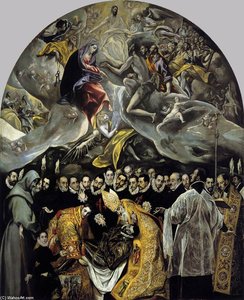
“The Burial of Columbus,” completed in 1609, exemplifies El Greco’s artistic prowess and his ability to evoke profound emotional resonance. The monumental canvas depicts Christopher Columbus's funeral procession, capturing the solemn dignity of the occasion while simultaneously conveying a palpable sense of grief and spiritual contemplation. The elongated figures, bathed in golden light, embody the universality of human suffering—a poignant reminder of mortality and an affirmation of faith’s enduring power.
El Greco’s legacy extends far beyond his artistic innovations. He remains an icon of spiritual artistry—a testament to the transformative potential of creativity when driven by conviction and fueled by emotion. His paintings continue to inspire awe and contemplation, inviting viewers to engage in a dialogue with timeless themes of faith, beauty, and human experience.

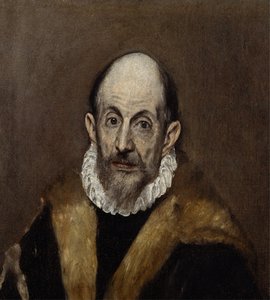
1541 - 1614 , Grčija

Explore the captivating world of El Greco! Discover his unique style, spiritual intensity, and lasting impact on art history. Learn about this Renaissance master's life, iconic paintings & legacy.

Explore the life & art of Alexander Nasmyth, a pivotal figure in Scottish Romantic landscape painting. Discover his iconic works, including portraits of Robert Burns, and learn about his lasting influence on national identity. Fine art reproductions available.

Odkrijte 25 mojstrovin El Greca! Preučite zgodbe, tehnike in navdih za njegove najbolj znane slike. Renesansa, manierizem & verske teme – vse na Most-Famous-Paintings.com. Kupite reprodukcije visoke kakovosti in obogatite svoj dom z umetnostjo.

Explore the captivating world of Jan Brueghel the Elder, a Flemish Baroque master renowned for his stunning landscapes & allegorical paintings. Discover his collaborations with Rubens and lasting artistic legacy.

Discover Cornelis van Poelenburch, a pivotal Dutch Baroque landscape painter bridging Mannerism & Italianate styles. Explore his life, key works, and lasting influence on 17th-century art with Most-Famous-Paintings.


Bodite na sešte, s najnovejšimi novicami iz sveta umetnosti, ekskluzivnimi ponudbami in idejami za dekoracijo.
Povejte nam o svojem projektu in naši strokovnjaki za umetnost vam bodo pripravili 3 prilagojene predloge umetniških del.
Naj vam izberemo 3 možnosti – popolnoma brezplačno!


 Deli
Deli


 Razviljaj več







 Možnost stekla je na voljo le za velikosti pod 110 cm


![Landscape With A Calm (un Tem[p]s Calme Et Serein) — Nikolaj Pusen, Baroque](/media/artworks/images/thumbnails/d9/68/d968ff3e5b2b42448a527566ad3b4a37.jpg)