x

 Oil On CanvasWallArtGerman Expressionism
 191419th Century
 90.0 x 61.0 cm
Giclée ali platnati odtis muzejske kakovosti z hitro proizvodnjo in prilagodljivimi možnostmi končne obdelave. ( Kupi ročno naslikano sliko Kupi digitalno sliko)





























Izberite eno od naših vnaprej določenih velikosti, ki ustrezajo prvotnim proporcijam umetničkega dela.

Svoje dimenzije lahko vnesete sami, da bodo ustrezne za določen okvir ali prostor. Če izbrana velikost ne bo skladna z razmerji izvirne slike, bomo umetniško delo orezali ali podaljšali s pomočjo ogledalnega odraza ali barvno polnega roba. Pred začetkom proizvodnje vam bomo poslali digitalni predogled za potrditev.
Upoštevajte, da predogled na zaslonu ne prikazuje dejanskega orezovanja ali podaljševanja. Le digitalni predogled bo natančno prikazal končno kompozicijo.
Čeprav so na voljo prilagojene velikosti, priporočamo izbiro dimenzije s predhodno določenega seznama, da ohranite prvotna razmerja.
Globalna dostava () v 2 tednih namesto standardnih 4/5 tednov. (18 avgust)


Dancer
Velikost reprodukcije
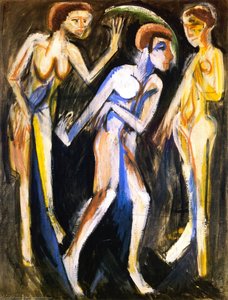
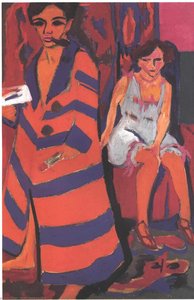
“Dancer,” painted in 1914 by Ernst Ludwig Kirchner, is more than just a depiction of a woman in white; it's a visceral plunge into the heart of German Expressionism. This oil on canvas, measuring 90 x 61 cm, pulsates with an intensity born from Kirchner’s profound engagement with the anxieties and emotional currents swirling through early 20th-century Europe. The painting immediately arrests the viewer with its bold color palette – a riot of reds, blues, and yellows that seem to vibrate with unspoken emotion – and its deliberately distorted forms, hallmarks of a movement determined to reject the comfortable illusions of realism.
Kirchner’s ‘Dancer’ exemplifies the core tenets of Expressionism, a movement that sought to express inner psychological states rather than objective reality. Born from a period of rapid industrialization, social upheaval, and artistic experimentation, Expressionism aimed to capture the anxieties, alienation, and spiritual crises felt by many in response to these changes. Unlike traditional artists who focused on depicting the world as it appeared, Kirchner and his contemporaries deliberately distorted form and color to evoke specific emotions – fear, loneliness, disorientation – within the viewer. The influence of artists like Edvard Munch and Egon Schiele is palpable here, sharing a similar commitment to portraying subjective experience over objective observation.
The painting’s symbolism isn't overtly didactic; instead, it invites interpretation. The dancer herself could represent the destabilization of traditional values in a rapidly changing world. Her isolated presence within the theatrical setting suggests themes of alienation and the loss of connection. Painted in 1914, just before the outbreak of World War I, ‘Dancer’ reflects the pervasive sense of unease and uncertainty that gripped Europe at the time. Kirchner's work was deeply influenced by his experiences living in cities undergoing rapid transformation – from Frankfurt to Chemnitz – witnessing firsthand the social and psychological consequences of modernity.
“Dancer” remains a powerfully evocative artwork, demonstrating Kirchner's mastery of color and form to convey intense emotion. Its dynamic composition and unsettling beauty continue to resonate with viewers today. A hand-painted reproduction offers an exceptional opportunity to bring this seminal work into your home or office – a testament to the enduring power of Expressionism and a captivating addition to any art collection. Consider its impact as a focal point, injecting a dose of raw emotion and intellectual stimulation into your space.

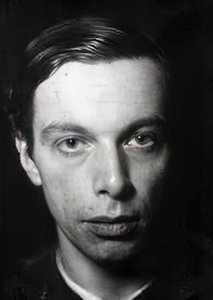
1880 - 1938 , Nemčija

Explore the visceral power of German Expressionism. From Ernst Ludwig Kirchner to Die Brücke, discover how bold colors and distorted forms unmask raw human emotion in this expert art history guide for collectors and enthusiasts.

Explore the profound history and technical mastery of woodcut relief printing. From ancient origins to German Expressionism, discover how artists use the subtractive process to create iconic works. A definitive guide for art students, collectors, and historians.


Bodite na sešte, s najnovejšimi novicami iz sveta umetnosti, ekskluzivnimi ponudbami in idejami za dekoracijo.
Povejte nam o svojem projektu in naši strokovnjaki za umetnost vam bodo pripravili 3 prilagojene predloge umetniških del.
Naj vam izberemo 3 možnosti – popolnoma brezplačno!


 Predogled
 Pošlji
 Deli
Deli
 Podrobnosti o delu

 Prenesi
 Podobni izdelki
 Rentgenski posnetek
 Predvajaj diaporama
 Razviljaj več







 Možnost stekla je na voljo le za velikosti pod 110 cm