


x

Ročno slikano olje na platnu v vaši izbiri velikosti in okvirja, izdelano po naročilu naših umetnikov. ( Kupi tisk Kupi digitalno sliko)
Izberite eno od naših vnaprej določenih velikosti, ki ustrezajo prvotnim proporcijam umetničkega dela.

Svoje dimenzije lahko vnesete tako, da se prilagodite določenemu okvirju ali prostoru. Če izbrana velikost ne ustreza razmerjem originalne slike, bomo umetniško delo obrezali ali sliko dopolnili z dodatnimi ročno naslikanimi elementi. Pred začetkom proizvodnje vam bo poslan digitalni osnutek v odobritev.
Upoštevajte, da predogled na zaslonu ne odraža dejanskega obrezovanja ali podaljšanja. Le osnutek bo natančno prikazal končno kompozicijo.
Čeprav so na voljo velikosti po meri, priporočamo izbiro dimenzije s preddefiniranega seznama, da ohranimo originalne razmere.
Svetska dostava () za 3/4 nedelje umesto uobičajenih 5 nedelja. (23 avgust). Bez kompromisa po pitanju kvaliteta.


Dancing Couple
Velikost reprodukcije
“Dancing Couple” by Ernst Ludwig Kirchner presents a vibrant and somewhat unsettling depiction of an intimate moment between a man and a ballerina. The composition is dynamic, immediately drawing the viewer's eye to the central figures engaged in a dance. The subjects are not portrayed realistically; instead, Kirchner employs distortion and exaggeration characteristic of Expressionism. The dancer’s pose suggests both grace and instability, while the man appears to be supporting her, creating a sense of precariousness within their interaction. The background is a deep blue, providing a stark contrast to the warmer tones of the figures and intensifying the focus on their relationship.
Kirchner was a key figure in the German Expressionist movement, and "Dancing Couple" exemplifies this style. Expressionism sought to convey subjective emotions and experiences rather than objective reality. This is evident in Kirchner’s use of bold colors – pinks, yellows, and blues dominate the palette – creating a visually arresting effect. The brushwork is loose and visible, contributing to a textured surface that adds to the painting's emotional intensity. Impasto techniques (thickly applied paint) further enhance this texture. Lines are used expressively, defining contours and folds in a way that prioritizes feeling over precise representation. Perspective is flattened, which contributes to the overall sense of emotional compression rather than spatial realism.
This artwork was created during a period of significant social and cultural change in Germany. Kirchner was a founding member of "Die Brücke" (The Bridge), an artist collective formed in 1905 that aimed to break away from traditional artistic conventions. “Die Brücke” artists were deeply influenced by urban life, industrialization, and the anxieties of modernity. “Dancing Couple,” while seemingly depicting a romantic scene, can be interpreted as reflecting these broader themes – perhaps symbolizing the fragility of human connection in an increasingly impersonal world. The painting’s subject matter also reflects the popularity of ballet and theatrical performances during that era.
Beyond its aesthetic qualities, "Dancing Couple" carries symbolic weight. The dancer's precarious pose suggests vulnerability and dependence, while the man's support implies a complex dynamic of power and responsibility. The intense colors and distorted forms evoke a range of emotions – from excitement and passion to anxiety and unease. The painting’s overall effect is one of heightened emotionality, inviting viewers to contemplate the complexities of human relationships and the challenges of navigating modern life. It's a powerful exploration of intimacy, fragility, and the search for connection in a rapidly changing world.

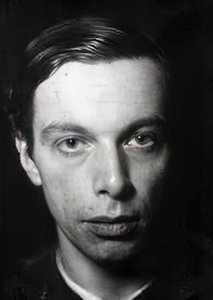
1880 - 1938 , Nemčija

Explore the visceral power of German Expressionism. From Ernst Ludwig Kirchner to Die Brücke, discover how bold colors and distorted forms unmask raw human emotion in this expert art history guide for collectors and enthusiasts.

Explore the profound history and technical brilliance of oil on panel painting. From Renaissance masters to modern techniques, discover why this rigid support offers unparalleled precision and permanence for fine art lovers and collectors.


Bodite na sešte, s najnovejšimi novicami iz sveta umetnosti, ekskluzivnimi ponudbami in idejami za dekoracijo.
Povejte nam o svojem projektu in naši strokovnjaki za umetnost vam bodo pripravili 3 prilagojene predloge umetniških del.
Naj vam izberemo 3 možnosti – popolnoma brezplačno!


 Predogled
 Pošlji
 Deli
Deli
 Podrobnosti o delu

 Prenesi
 Podobni izdelki
 Rentgenski posnetek
 Predvajaj diaporama


 Razviljaj več




































 Možnost stekla je na voljo le za velikosti pod 110 cm


