x

 Kupi tiskanino Kupi digitalno sliko
 Pošlji
 Podrobnosti o delu
 Dodaj v priljubljene
 Prenesi
 Podobni izdelki
 Rentgenski posnetek
 Predvajaj diaporama
Ročno slikano olje na platnu v vaši izbiri velikosti in okvirja, izdelano po naročilu naših umetnikov.
Izberite eno od naših vnaprej določenih velikosti, ki ustrezajo prvotnim proporcijam umetničkega dela.

Svoje dimenzije lahko vnesete tako, da se prilagodite določenemu okvirju ali prostoru. Če izbrana velikost ne ustreza razmerjem originalne slike, bomo umetniško delo obrezali ali sliko dopolnili z dodatnimi ročno naslikanimi elementi. Pred začetkom proizvodnje vam bo poslan digitalni osnutek v odobritev.
Upoštevajte, da predogled na zaslonu ne odraža dejanskega obrezovanja ali podaljšanja. Le osnutek bo natančno prikazal končno kompozicijo.
Čeprav so na voljo velikosti po meri, priporočamo izbiro dimenzije s preddefiniranega seznama, da ohranimo originalne razmere.
Svetska dostava () za 3/4 nedelje umesto uobičajenih 5 nedelja. (23 julij). Bez kompromisa po pitanju kvaliteta.


Marcella
Velikost reprodukcije
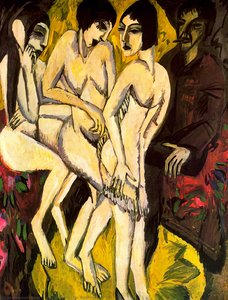
Ernst Ludwig Kirchner’s “Marcella,” painted in 1909, stands as a cornerstone of German Expressionism—a movement defined by its fervent embrace of subjective emotion and a deliberate distortion of reality. More than just a depiction of a young woman, it's an exploration of psychological unease rendered with audacious color palettes and unsettling compositional choices that continue to resonate with viewers today.
The artwork’s simplicity is deceptive; Kirchner meticulously crafted a scene designed to convey intense feeling. The figure occupies the majority of the frame, positioned slightly off-center—a deliberate tactic that disrupts traditional perspective and contributes to the overall sense of claustrophobia. A large yellow plane dominates the background, punctuated by abstract shapes hinting at architectural elements like mirrors or windows on the left side – these additions amplify the feeling of confinement.
Kirchner’s color choices are deliberately jarring. The dominant hue is a vibrant yellow—a color often associated with optimism and enlightenment, yet here it serves as a backdrop for muted pinks and creams representing flesh tones, shadowed by deep browns and blacks. This stark contrast underscores the emotional turmoil at play. Thick brushstrokes create a palpable texture, an impression of impasto that captures the artist’s energetic technique—a deliberate rejection of academic smoothness in favor of expressive materiality.
"Marcella" exemplifies Expressionism's core tenets. Kirchner employs angular lines to delineate the figure’s form, rejecting naturalistic representation and prioritizing emotional impact. The striped pattern on the skirt adds another layer of visual complexity—a subtle gesture that reinforces the artwork’s unsettling atmosphere. He achieves tonal variations within the planes of color through layering and blending, demonstrating a masterful command of oil paint.
Beyond its formal elements, “Marcella” is laden with symbolic significance. The woman's somber expression—coupled with her gaze directly at the viewer—suggests introspection and vulnerability. The white bow adorning her hair could be interpreted as an attempt to conceal inner anxieties, mirroring themes explored in Munch’s *The Scream*. Ultimately, Kirchner’s “Marcella” compels us to confront uncomfortable truths about human experience—a testament to the enduring power of Expressionist art.

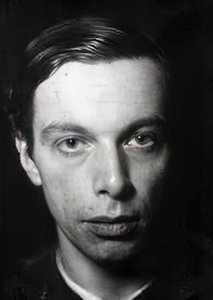
1880 - 1938 , Nemčija
Immerse yourself in golden light! Explore 10 famous paintings dominated by 'Chrome Yellow', from Van Gogh’s Sunflowers to Monet's Haystacks. Discover the stories behind these iconic Impressionist & Post-Impressionist masterpieces and find museum-quality art reproductions at Most-Famous-Paintings.com.

Explore the powerful impact of color in art history! Discover how master artists evoked emotion & built movements through bold palettes. Expert insights for collectors – Most-Famous-Paintings.

Explore the revolutionary art of André Derain, co-founder of Fauvism. Discover his bold use of color, evolution from radical expressionism to classicism, and lasting influence on modern art history. Learn more at Most-Famous-Paintings.

Explore the captivating world of Raphael Kirchner, a master of Art Nouveau illustration during the Belle Époque. Discover his iconic 'Kirchner Girls,' pioneering pin-up art & lasting influence.

Experience art's raw power! Explore 10 iconic paintings – Van Gogh, Kahlo & more – that define 'bold'. Discover the stories behind these expressive masterpieces and find museum-quality reproductions for your home at Most-Famous-Paintings.com.


Bodite na sešte, s najnovejšimi novicami iz sveta umetnosti, ekskluzivnimi ponudbami in idejami za dekoracijo.
Povejte nam o svojem projektu in naši strokovnjaki za umetnost vam bodo pripravili 3 prilagojene predloge umetniških del.
Naj vam izberemo 3 možnosti – popolnoma brezplačno!


 Deli
Deli


 Razviljaj več




































 Možnost stekla je na voljo le za velikosti pod 110 cm