x

 ChalkExpressionism
 1938Modern
 47.0 x 34.0 cm
Ročno slikano olje na platnu v vaši izbiri velikosti in okvirja, izdelano po naročilu naših umetnikov. ( Kupi tisk Kupi digitalno sliko)





























Izberite eno od naših vnaprej določenih velikosti, ki ustrezajo prvotnim proporcijam umetničkega dela.

Svoje dimenzije lahko vnesete tako, da se prilagodite določenemu okvirju ali prostoru. Če izbrana velikost ne ustreza razmerjem originalne slike, bomo umetniško delo obrezali ali sliko dopolnili z dodatnimi ročno naslikanimi elementi. Pred začetkom proizvodnje vam bo poslan digitalni osnutek v odobritev.
Upoštevajte, da predogled na zaslonu ne odraža dejanskega obrezovanja ali podaljšanja. Le osnutek bo natančno prikazal končno kompozicijo.
Čeprav so na voljo velikosti po meri, priporočamo izbiro dimenzije s preddefiniranega seznama, da ohranimo originalne razmere.
Svetska dostava () za 3/4 nedelje umesto uobičajenih 5 nedelja. (18 avgust). Bez kompromisa po pitanju kvaliteta.


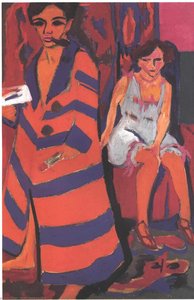
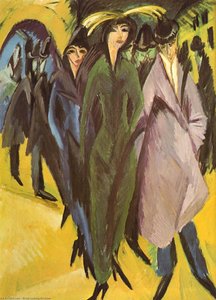
Self-portrait
Velikost reprodukcije
Ernst Ludwig Kirchner (1880-1938) was a pivotal figure in the German Expressionist movement, specifically within Die Brücke ("The Bridge"). Founded in Dresden in 1905, Die Brücke aimed to bridge the gap between traditional art and modern life. Alongside artists like Erich Heckel and Karl Schmidt-Rottluff, Kirchner sought to express raw emotion and subjective experience through bold colors, distorted forms, and unconventional perspectives. Expressionism itself was a reaction against the perceived materialism and complacency of bourgeois society, seeking instead to convey inner turmoil and psychological states.
This self-portrait exemplifies Kirchner's signature style. The use of chalk on canvas creates a textured surface that enhances the emotional intensity. Notice the stark contrast between light and shadow, which emphasizes the subject’s features and contributes to a sense of drama. The composition is tightly cropped, focusing primarily on Kirchner’s face and upper torso. This close-up view intensifies the feeling of intimacy and vulnerability. The angular lines and simplified forms are characteristic of Expressionism, rejecting realistic representation in favor of conveying emotional truth. The purple shirt adds a touch of vibrancy against the muted background, drawing attention to the artist's gaze.
The self-portrait is not merely a likeness; it’s a profound exploration of Kirchner’s inner world. His enigmatic facial expression invites contemplation – is it weariness, anxiety, or introspection? The direct gaze engages the viewer, creating a sense of connection and shared experience. Created in 1938, shortly before Kirchner's tragic suicide amidst the rising tide of Nazism, the painting carries a palpable weight of despair and foreboding. It reflects a period of immense personal and political upheaval in Germany. The work can be interpreted as a symbolic representation of an artist grappling with his own mortality and the encroaching darkness of the era.
Kirchner's self-portrait is particularly significant within the context of German history. The rise of Nazism led to the persecution of Expressionist artists, whose work was deemed "degenerate." Kirchner’s suicide in 1938 underscored the devastating impact of this cultural repression. Today, his works are celebrated for their emotional power and artistic innovation, offering a poignant glimpse into the soul of an artist confronting profound personal and societal challenges. This self-portrait remains a powerful testament to the enduring legacy of Expressionism and its ability to convey universal human emotions.

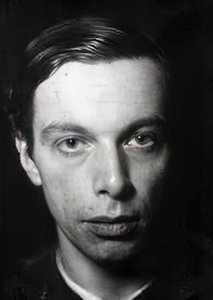
1880 - 1938 , Nemčija

Explore the visceral power of German Expressionism. From Ernst Ludwig Kirchner to Die Brücke, discover how bold colors and distorted forms unmask raw human emotion in this expert art history guide for collectors and enthusiasts.


Bodite na sešte, s najnovejšimi novicami iz sveta umetnosti, ekskluzivnimi ponudbami in idejami za dekoracijo.
Povejte nam o svojem projektu in naši strokovnjaki za umetnost vam bodo pripravili 3 prilagojene predloge umetniških del.
Naj vam izberemo 3 možnosti – popolnoma brezplačno!


 Predogled
 Pošlji
 Deli
Deli
 Podrobnosti o delu

 Prenesi
 Podobni izdelki
 Rentgenski posnetek
 Predvajaj diaporama
 Razviljaj več







 Možnost stekla je na voljo le za velikosti pod 110 cm