


x


 Preview
 Kupi tiskanino Kupi digitalno sliko
 Pošlji
 Podrobnosti o delu
 Dodaj v priljubljene
 Prenesi
 Podobni izdelki
 Rentgenski posnetek
 Predvajaj diaporama
Ročno slikano olje na platnu v vaši izbiri velikosti in okvirja, izdelano po naročilu naših umetnikov.





























Izberite eno od naših vnaprej določenih velikosti, ki ustrezajo prvotnim proporcijam umetničkega dela.

Svoje dimenzije lahko vnesete tako, da se prilagodite določenemu okvirju ali prostoru. Če izbrana velikost ne ustreza razmerjem originalne slike, bomo umetniško delo obrezali ali sliko dopolnili z dodatnimi ročno naslikanimi elementi. Pred začetkom proizvodnje vam bo poslan digitalni osnutek v odobritev.
Upoštevajte, da predogled na zaslonu ne odraža dejanskega obrezovanja ali podaljšanja. Le osnutek bo natančno prikazal končno kompozicijo.
Čeprav so na voljo velikosti po meri, priporočamo izbiro dimenzije s preddefiniranega seznama, da ohranimo originalne razmere.
Svetska dostava () za 3/4 nedelje umesto uobičajenih 5 nedelja. (25 julij). Bez kompromisa po pitanju kvaliteta.


The green tree
Velikost reprodukcije
Fernand Léger’s “The Green Tree,” painted in 1932, stands as a cornerstone of Tubism—a radical departure from Cubism that solidified Léger's position as one of the foremost champions of machine age aesthetics. More than just a depiction of foliage, this artwork embodies Léger’s profound conviction that art could capture not merely what is seen but also what *feels* like – the pulsating energy and geometric precision inherent in industrial processes.
Léger initially honed his skills in architecture before gravitating towards painting around 1900, immersing himself in Parisian artistic circles. Unlike many of his contemporaries who sought refuge in abstraction as a reaction to representational art, Léger actively embraced it as a tool for conveying the dynamism and structural logic of the burgeoning industrial landscape. This fascination stemmed from his formative years spent laboring on farms in Normandy—a stark contrast that fueled his desire to translate the physicality of rural life into visual terms.
Tubism, developed alongside Picasso, represents Léger’s most distinctive contribution to Cubist innovation. Rejecting the fragmentation characteristic of traditional Cubism, Tubism prioritized simplified geometric forms – circles, squares, and triangles – arranged in overlapping planes that suggested movement and vibration. Léger famously declared that he wished to “paint like a machine,” aiming to distill the essence of industrial production into an aesthetically compelling visual language.
“The Green Tree” exemplifies this Tubist ethos with remarkable clarity. The dominant green hue isn’t merely descriptive; it pulsates with implied energy, mirroring the rhythmic repetition of leaf shapes and branches. The central yellow circle acts as a focal point, disrupting the geometric grid and injecting warmth into the composition—a subtle nod to the incandescent glow of factory lamps.
Beyond its formal brilliance, “The Green Tree” carries symbolic weight. Léger’s deliberate simplification of natural forms speaks to his belief that art could transcend mere imitation, capturing underlying principles of order and rhythm. The tree itself symbolizes resilience and growth—themes resonant with the optimistic spirit of the era, as humanity navigated the transformative challenges posed by industrial expansion.
The painting resides in the Kunstmuseum Den Haag’s collection (Object Number: 0335238), a testament to Léger's enduring influence on artistic thought. Its vibrant colors and striking geometric forms continue to inspire interior designers and collectors alike, securing its place as an iconic masterpiece of modern art.
Further research can be found at AKG Images and Gandalf’s Gallery.
Kunstmuseum Den Haag – Long Term Loan Private Collection offers detailed information about the artwork's provenance and artistic significance.

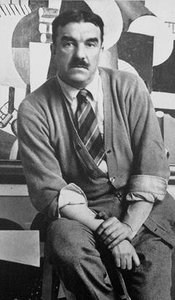
1881 - 1955 , Francija

Explore Orphism, the vibrant abstract art movement pioneered by Robert & Sonia Delaunay. Discover its unique color theory, lasting influence on modern art, and how to bring this 'symphony of color' into your home with Most-Famous-Paintings.
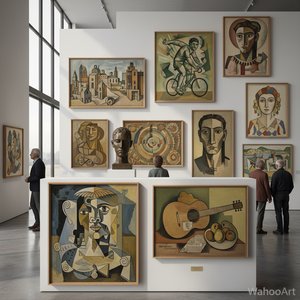
Odkrijte 10 mojstrovin, ki so definirale kubizem! Picasso, Braque & več – spoznajte zgodbe za temi ikoničnih umetnin. Inspirirajte se za notranji dizajn in poiščite reprodukcije na Most-Famous-Paintings.com!

Odkrijte subtilnosti integracije kubizma v dizajn vil! Vodnik za estetsko inovativnost, pravna vidika in izbiro umetnin. Strokovno svetovanje za luksuzni interier.

Explore the evolution of geometric abstraction from Cubism to contemporary art. Discover key artists like Malevich & Mondrian, investment insights, and expert collecting advice at Most-Famous-Paintings.
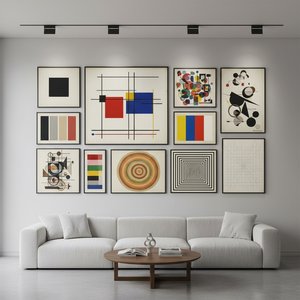
Odkrijte 10 mojstrovin geometrične abstrakcije! Mondrian, Malevich, Kandinsky in drugi. Zgodbe umetnikov, tehnike ter navdih za vaš dom. Kvalitetne reprodukcije slik na Most-Famous-Paintings.com. Raziskajte celotno zbirko online!


Bodite na sešte, s najnovejšimi novicami iz sveta umetnosti, ekskluzivnimi ponudbami in idejami za dekoracijo.
Povejte nam o svojem projektu in naši strokovnjaki za umetnost vam bodo pripravili 3 prilagojene predloge umetniških del.
Naj vam izberemo 3 možnosti – popolnoma brezplačno!


 Deli
Deli


 Razviljaj več







 Možnost stekla je na voljo le za velikosti pod 110 cm


