


x

 AcrylicWallArtWisconsin Landscape Painting
 1985
1985 225.0 x 117.0 cm
 National Gallery of Australia
Giclée ali platnati odtis muzejske kakovosti z hitro proizvodnjo in prilagodljivimi možnostmi končne obdelave. ( Preklopite na ročno slikano delo Preklop na sliko)





























Izberite eno od naših vnaprej določenih velikosti, ki ustrezajo prvotnim proporcijam umetničkega dela.

Svoje dimenzije lahko vnesete sami, da bodo ustrezne za določen okvir ali prostor. Če izbrana velikost ne bo skladna z razmerji izvirne slike, bomo umetniško delo orezali ali podaljšali s pomočjo ogledalnega odraza ali barvno polnega roba. Pred začetkom proizvodnje vam bomo poslali digitalni predogled za potrditev.
Upoštevajte, da predogled na zaslonu ne prikazuje dejanskega orezovanja ali podaljševanja. Le digitalni predogled bo natančno prikazal končno kompozicijo.
Čeprav so na voljo prilagojene velikosti, priporočamo izbiro dimenzije s predhodno določenega seznama, da ohranite prvotna razmerja.
Globalna dostava () v 2 tednih namesto standardnih 4/5 tednov. (11 avgust)


Teapot
Velikost reprodukcije

In the quiet, rolling landscapes of early twentieth-century Wisconsin, the name Frank S. Bauer evokes a sense of profound connection to the American heartland. Born on July 9, 1856, in the rural township of Leroy, Bauer’s life was a tapestry woven from the threads of agricultural toil, civic duty, and an enduring artistic sensitivity. While history often remembers him through his political contributions as a member of the Wisconsin Assembly and his service as a postmaster, his true essence is captured in the silent, evocative beauty of his landscapes. His journey from a farm boy in Dodge County to a respected figure in state politics provided him with a unique vantage point, allowing him to observe the shifting rhythms of rural life with both the intimacy of a resident and the detached eye of an observer.
Bauer’s artistic development was deeply rooted in the very soil he inhabited. Though formal academic training remains undocumented, his mastery of the Wisconsin landscape suggests a profound, self-taught communion with nature. The undulating hills, the tranquil waterways, and the seasonal transformations of the Midwestern plains served as his primary instructors. His work often reflects a deep-seated reverence for the agricultural heritage of his home state, portraying farmhouses nestled within vast fields of grain or corn not merely as structures, and scenery, but as symbols of stability and rootedness. There is an inherent stillness in his compositions that invites the viewer to pause and reflect on the enduring spirit of the American pastoral.
The life of Frank S. Bauer was characterized by a remarkable duality. As a businessman and politician, he navigated the complexities of civic leadership, serving in the Wisconsin Assembly from 1905 to 1909 and later holding positions such as Biron Village President and school board clerk. This period of intense public engagement coincided with his creative output, creating a fascinating tension between the structured world of governance and the fluid, emotive world of landscape painting. One can imagine that the political currents he navigated—the debates over local infrastructure and the management of community resources—deepened his appreciation for the land's quiet permanence.
His artistic style, while difficult to categorize within rigid movements, leans toward a gentle impressionism that prioritizes atmosphere and light. He favored muted palettes that mirrored the soft, often overcast skies of the Wisconsin countryside, creating works that resonate with a sense of nostalgia and peace. His paintings do not shout; rather, they whisper of a bygone era of simplicity. Through his brush, the mundane elements of rural life—a simple teapot, a distant barn, or a sun-dappled field—are elevated to subjects of quiet dignity. This ability to find the extraordinary within the ordinary remains his most significant artistic achievement.
Though Bauer’s oeuvre is relatively sparse in the historical record, its significance lies in its role as a visual chronicle of a specific American epoch. His work serves as a bridge between the rugged frontier spirit of the nineteenth century and the more settled, organized society of the early twentieth century. To look upon a Bauer landscape is to witness the transition of the Wisconsin landscape from wild territory to a cultivated, cherished home. He captured the soul of a region during a time of great change, preserving the serenity of the farmstead even as the world around it began to accelerate.
Ultimately, the legacy of Frank S. Bauer is one of harmony. He achieved a rare balance between the responsibilities of a citizen and the passions of an artist. His life reminds us that true observation requires both presence and perspective—the ability to participate in the life of a community while remaining deeply attuned to the subtle, shifting beauty of the natural world. Today, his works stand as poignant reminders of the quiet strength found in the American landscape and the enduring power of a life lived in service to both people and place.

1856 - 1936 , United States of America
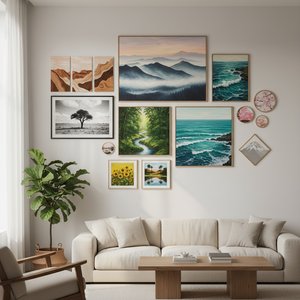
Journey through 10 breathtaking landscape paintings by Monet, Van Gogh & more! Explore iconic artworks, artistic techniques & find inspiration for your home decor. Museum-quality reproductions at Most-Famous-Paintings.com. Discover all masterpieces on Most-Famous-Paintings.com

Explore the rich history of landscape art with Most-Famous-Paintings. Discover renowned artists, movements like Impressionism & Romanticism, and expert guidance for collecting timeless pieces. Find your perfect serene escape today!

Explore the rich history of landscape art with Most-Famous-Paintings. Discover renowned artists, movements like Impressionism & tonalism, and expert guidance for collecting timeless pieces. Find your perfect serene escape today!
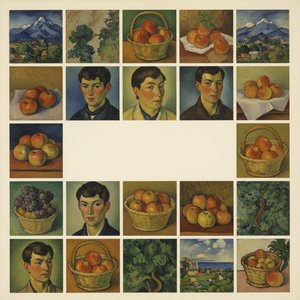
Odkrijte 25 mojstrovin Paula Cézanna – od impresionističnih krajin do revolucionarnih tihožitij. Preberite zgodbe za vsako sliko, tehnike in navdih. Kvalitetne reprodukcije slik na Most-Famous-Paintings.com!

Journey into the heart of Impressionism! Explore 10 masterpieces by Monet, Renoir & Degas that revolutionized landscape art. Discover their stories, techniques & find museum-quality reproductions to elevate your home decor on Most-Famous-Paintings.com.


Bodite na sešte, s najnovejšimi novicami iz sveta umetnosti, ekskluzivnimi ponudbami in idejami za dekoracijo.
Povejte nam o svojem projektu in naši strokovnjaki za umetnost vam bodo pripravili 3 prilagojene predloge umetniških del.
Naj vam izberemo 3 možnosti – popolnoma brezplačno!


 Predogled
 Pošlji
 Deli
Deli
 Podrobnosti o delu

 Prenesi
 Podobni izdelki
 Rentgenski posnetek
 Predvajaj diaporama
 Razviljaj več







 Možnost stekla je na voljo le za velikosti pod 110 cm


