


x


Ročno slikano olje na platnu v vaši izbiri velikosti in okvirja, izdelano po naročilu naših umetnikov. ( Switch to Print Switch to Image)





























Izberite eno od naših vnaprej določenih velikosti, ki ustrezajo prvotnim proporcijam umetničkega dela.

Svoje dimenzije lahko vnesete tako, da se prilagodite določenemu okvirju ali prostoru. Če izbrana velikost ne ustreza razmerjem originalne slike, bomo umetniško delo obrezali ali sliko dopolnili z dodatnimi ročno naslikanimi elementi. Pred začetkom proizvodnje vam bo poslan digitalni osnutek v odobritev.
Upoštevajte, da predogled na zaslonu ne odraža dejanskega obrezovanja ali podaljšanja. Le osnutek bo natančno prikazal končno kompozicijo.
Čeprav so na voljo velikosti po meri, priporočamo izbiro dimenzije s preddefiniranega seznama, da ohranimo originalne razmere.
Svetska dostava () za 3/4 nedelje umesto uobičajenih 5 nedelja. (30 julij). Bez kompromisa po pitanju kvaliteta.


Reed-Stacks
Velikost reprodukcije
Franz Marc's 1909 painting, *Reed-Stacks*, isn’t merely a depiction of agricultural labor; it’s a profound meditation on the interconnectedness between humanity and nature. This work, rendered in Marc’s signature vibrant palette and deeply felt symbolism, captures a fleeting moment in the German countryside – a scene imbued with an almost palpable spiritual resonance. The painting presents five substantial stacks of reeds or straw, meticulously arranged to create a sense of spatial depth and inviting the viewer into their shadowed recesses. These aren't simply piles of harvested material; they become monumental forms, suggesting both the bounty of the land and the quiet industry that sustains it.
Marc’s artistic journey was profoundly shaped by his early interest in theology, a pursuit that instilled within him a belief in art’s capacity to transcend the purely representational. This conviction is powerfully evident in *Reed-Stacks*. The artist deliberately eschews photographic realism, instead prioritizing emotional and spiritual truth. The muted earth tones – ochres, browns, and deep greens – are punctuated by bursts of intense color: a vibrant blue that seems to emanate from within the reeds themselves, and touches of crimson hinting at the lifeblood of the land. This chromatic intensity isn’t arbitrary; it reflects Marc's belief in the inherent spiritual qualities residing within natural forms.
Marc’s distinctive style, firmly rooted in the burgeoning Expressionist movement, is immediately recognizable. He employed a simplified, almost childlike approach to form, prioritizing color and emotional impact over meticulous detail. This simplification allows the viewer to connect with the essence of the scene – the feeling of warmth, the quiet dignity of rural life, and perhaps even a sense of ancient wisdom. The use of bold, non-naturalistic colors is particularly significant. Marc wasn’t aiming for literal representation; he was translating his *felt* experience of the landscape into visual terms. He frequently drew inspiration from animals, believing they possessed a deeper understanding of the world's spiritual truths. This influence can be seen in the way the reeds are rendered – their forms subtly reminiscent of animal bodies, suggesting a kinship between humankind and the natural kingdom.
Created in 1909, *Reed-Stacks* sits within a pivotal moment in Marc’s artistic development. Following his initial exposure to Vincent van Gogh's expressive brushwork and vibrant color palette – an encounter that profoundly impacted his own approach to painting – Marc continued to explore themes of spirituality and the natural world. The late 1900s saw Expressionism gaining momentum, challenging traditional academic conventions and prioritizing subjective experience. *Reed-Stacks* exemplifies this shift, moving beyond mere representation to convey a deeply felt emotional response to the landscape.
Furthermore, Marc’s interest in folklore and mythology informed his work. The image of the reed stacks evokes ancient agricultural rituals and beliefs surrounding fertility and prosperity. It's not surprising that Marc was drawn to this subject matter; it resonated with his broader exploration of the spiritual dimensions of rural life.
Most-Famous-Paintings offers exceptional, hand-painted reproductions of *Reed-Stacks*, meticulously crafted to capture the essence of Marc’s original vision. These reproductions faithfully recreate the painting's vibrant colors, expressive brushwork, and profound emotional depth. Whether adorning a contemporary living room or a study dedicated to art history, this iconic work will undoubtedly serve as a captivating focal point. The scale and color palette lend themselves beautifully to a variety of interior design styles, from rustic farmhouse chic to modern minimalist spaces. A Most-Famous-Paintings reproduction allows you to bring the spirit of rural Germany – and Marc’s profound spiritual insights – into your home.

Der Blaue Reiter
Franz Marc, nemški slikar, risar in grafik, * 8. februar 1880, München, Nemško cesarstvo (zdaj Nemčija), † 4. marec 1916, Braquis, Francija.
Velja za enega najpomembnejših ekspresionističnih slikarjev v Nemčiji. Ob Vasiliju Kandinskim je bil soustanovitelj uredniške skupine Der Blaue Reiter, ki je svojo prvo razstavo odprla v Münchnu 18. decembra 1911. Blaue Reiter je nastal iz Novega münchenskega združenja umetnikov, katerega član je bil Marc kratek čas.
Marc je imel zamisel o študiju klasične filologije ali teologije kot njegov starejši brat Paul - kot je v pismu leta 1897 povedal pastorju Ottu Schlierju, katerega tečaji birme so nanj naredili trajen vtis.
Marc je študiral umetnostno-teoretične spise za almanah Der Blaue Reiter in druge publikacije.
Franz Marc se je rodil 8. februarja 1880 kot drugi sin družine Marc na Schillerstrasse 35 v Münchnu. Njegov oče Wilhelm Marc, ki je sprva končal pravo, preden je študiral slikarstvo na Akademiji za likovno umetnost v Münchnu, je bil krajinski in žanrski slikar.
Izhajal iz bavarske uradniške družine. Njegova mati Sophie, rojena Maurice, je prišla iz Alzacije in je otroštvo preživela v francosko govoreči Švici, kjer je obiskovala strogi kalvinistički internat.
Njegovi predniki bili aristokrati, z prijatelji med umetniki kot tudi ljudmi znanstvenimi.
Marc je študiral literaturo in filozofijo, zlasti delo Thomasa Carlyla in Friedricha Nietzscheja. Zaradi težav v mladosti je bila njegova vera zelo kritična do Münchnega mladostnega gibanja in mesta življenja.
Njegov brat Paul je študiral klasično filologijo kot njegov starejši brat Paul - kot je v pismu leta 1897 povedal pastorju Ottu Schlierju, katerega tečaji birme so nanj naredili trajen vtis.
Njegova zgodnja dela še v naturalističnem slogu akademizma, vendar se po obisku Pariza leta 1907 pod vplivom Gauguina in van Gogha posvetil postimpresionizmu. Marc je študiral umetnostno-teoretične spise za almanah Der Blaue Reiter in druge publikacije.
Marc je ustanovni član skupine Der Blaue Reiter (Modri jezdec) v Münchnu leta 1911. Blaue Reiter je nastal iz Novega münchenskega združenja umetnikov, katerega član je bil Marc kratek čas.
Marc je ustvarjal umetnostno-teoretične spise za almanah Der Blaue Reiter in druge publikacije.
Marc je ustvarjal umetnostno-teoretične spise za almanah Der Blaue Reiter in druge publikacije.
Marc je umrl 4. marca 1916, v času Prve svetovne vojne, kar je bila tragedija za svet umetnosti.
Njegovo delo še vedno resonira danes, zavzdihnjuje generacije umetnikov in očarati občinstvo z globoko emotivnostjo in duhovno vrednostjo. Marc je znan kot pionir nemške ekspresionistične umetnosti.
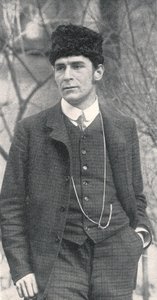
1880 - 1916 , Nemčija
Odkrijte 25 sanjskih mojstrovin Marca Chagalla! Potopite se v zgodbe ekspresionizma, Vitebska in judovske umetnosti. Kupite reprodukcije slik visoke kakovosti za vaš dom na Most-Famous-Paintings.com.
Explore 10 defining German Expressionism masterpieces – from Munch's 'The Scream' to Kandinsky’s abstracts. Discover the artists, stories & bold colors behind this powerful art movement. Find museum-quality reproductions at Most-Famous-Paintings.com.
Odkrijte 25 mojstrovskih del Johna Constabla, angleškega slikarja romantizma. Preučite zgodbe za ikoničnimi krajinami, tehniko in lepoto narave. Kvalitetne reprodukcije slik na Most-Famous-Paintings.com – idealno za dekoracijo doma!
Journey through 10 breathtaking landscape paintings by Monet, Van Gogh & more! Explore iconic artworks, artistic techniques & find inspiration for your home decor. Museum-quality reproductions at Most-Famous-Paintings.com. Discover all masterpieces on Most-Famous-Paintings.com

Explore the rich history of rural landscape painting with Most-Famous-Paintings. Discover Impressionist masterpieces, key artists & movements. Find your perfect serene artwork and bring nature's beauty home.


Bodite na sešte, s najnovejšimi novicami iz sveta umetnosti, ekskluzivnimi ponudbami in idejami za dekoracijo.
Povejte nam o svojem projektu in naši strokovnjaki za umetnost vam bodo pripravili 3 prilagojene predloge umetniških del.
Naj vam izberemo 3 možnosti – popolnoma brezplačno!


 Preview
 Pošlji
 Deli
Deli
 Podrobnosti o delu

 Prenesi
 Podobni izdelki
 Rentgenski posnetek
 Predvajaj diaporama


 Razviljaj več







 Možnost stekla je na voljo le za velikosti pod 110 cm


