


x

Ročno slikano olje na platnu v vaši izbiri velikosti in okvirja, izdelano po naročilu naših umetnikov. ( Kupi tisk Kupi digitalno sliko)





























Izberite eno od naših vnaprej določenih velikosti, ki ustrezajo prvotnim proporcijam umetničkega dela.

Svoje dimenzije lahko vnesete tako, da se prilagodite določenemu okvirju ali prostoru. Če izbrana velikost ne ustreza razmerjem originalne slike, bomo umetniško delo obrezali ali sliko dopolnili z dodatnimi ročno naslikanimi elementi. Pred začetkom proizvodnje vam bo poslan digitalni osnutek v odobritev.
Upoštevajte, da predogled na zaslonu ne odraža dejanskega obrezovanja ali podaljšanja. Le osnutek bo natančno prikazal končno kompozicijo.
Čeprav so na voljo velikosti po meri, priporočamo izbiro dimenzije s preddefiniranega seznama, da ohranimo originalne razmere.
Svetska dostava () za 3/4 nedelje umesto uobičajenih 5 nedelja. (20 avgust). Bez kompromisa po pitanju kvaliteta.


untitled (5143)
Velikost reprodukcije
In the pantheon of German Expressionism, few works capture the raw, pulsating energy of life quite like Franz Marc’s untitled (5143). Created during the transformative years between 1910 and 1912, this masterpiece serves as a profound window into the artist's soul, moving far beyond mere representation to touch upon the divine. The canvas is an explosion of chromatic vitality, where deep, meditative blues dance alongside fiery reds and sun-drenched yellows. This is not a landscape intended for passive observation; it is a rhythmic composition designed to vibrate against the viewer's senses, inviting them into a world where the boundaries between the physical and the spiritual begin to dissolve.
At the heart of this visual poem lies Marc’s deep-seated fascination with the animal kingdom. For Marc, animals were not merely subjects for study but vessels of purity and untouched grace, standing in stark contrast to the perceived corruption of human civilization. In this particular work, the presence of horses and dogs creates a dynamic, interconnected tableau. The horses, positioned with a sense of quiet strength in the foreground, act as anchors for the composition, while the dogs weave through the scene, adding layers of movement and life. Through these creatures, Marc explores themes of interconnectedness and vitality, suggesting a cosmic unity that transcends species.
To behold this painting is to witness the liberation of color from the constraints of reality. Eschewing the rigid academic traditions of his era, Marc utilized a bold, simplified form that prioritizes emotional resonance over anatomical precision. His technique is characterized by a masterful use of impasto, where thick applications of pigment create a tactile surface that breathes with energy. The visible, vigorous brushstrokes do more than just define shape; they imbue the horses and dogs with a palpable sense of motion, as if the very essence of the animals is struggling to break free from the canvas.
The artist’s deliberate refusal to blend his colors seamlessly is perhaps the most striking element of his stylistic approach. By placing contrasting hues in direct contact, Marc creates a visual tension that heightens the painting's emotional intensity. This technique forces the eye to move constantly across the surface, mirroring the restless, searching spirit of the Expressionist movement. For the collector or interior designer, such a piece offers more than just decoration; it provides a focal point of profound intellectual and aesthetic depth, capable of transforming a space into an environment of contemplation and awe.
The historical context of untitled (5143) is inseparable from the turbulent intellectual climate of early 20th-century Germany. Emerging from a period of profound social upheaval, Marc’s work reflects a desperate, beautiful search for meaning in an increasingly fragmented world. His early inclinations toward theology are clearly visible in his artistic output, as he sought to use the medium of paint as a conduit for spiritual experience. This painting stands as a testament to that quest—a moment in time where color became a language for the unspeakable.
Owning a high-quality reproduction of this work allows one to bring this historical and emotional weight into the modern home. Whether placed in a curated gallery setting or as a bold statement in a contemporary living space, the painting continues to perform its original function: to stir the spirit and remind us of the vibrant, interconnected pulse of the natural world. It remains an enduring symbol of how art can transcend the literal to capture the eternal.

Der Blaue Reiter
Franz Marc, nemški slikar, risar in grafik, * 8. februar 1880, München, Nemško cesarstvo (zdaj Nemčija), † 4. marec 1916, Braquis, Francija.
Velja za enega najpomembnejših ekspresionističnih slikarjev v Nemčiji. Ob Vasiliju Kandinskim je bil soustanovitelj uredniške skupine Der Blaue Reiter, ki je svojo prvo razstavo odprla v Münchnu 18. decembra 1911. Blaue Reiter je nastal iz Novega münchenskega združenja umetnikov, katerega član je bil Marc kratek čas.
Marc je imel zamisel o študiju klasične filologije ali teologije kot njegov starejši brat Paul - kot je v pismu leta 1897 povedal pastorju Ottu Schlierju, katerega tečaji birme so nanj naredili trajen vtis.
Marc je študiral umetnostno-teoretične spise za almanah Der Blaue Reiter in druge publikacije.
Franz Marc se je rodil 8. februarja 1880 kot drugi sin družine Marc na Schillerstrasse 35 v Münchnu. Njegov oče Wilhelm Marc, ki je sprva končal pravo, preden je študiral slikarstvo na Akademiji za likovno umetnost v Münchnu, je bil krajinski in žanrski slikar.
Izhajal iz bavarske uradniške družine. Njegova mati Sophie, rojena Maurice, je prišla iz Alzacije in je otroštvo preživela v francosko govoreči Švici, kjer je obiskovala strogi kalvinistički internat.
Njegovi predniki bili aristokrati, z prijatelji med umetniki kot tudi ljudmi znanstvenimi.
Marc je študiral literaturo in filozofijo, zlasti delo Thomasa Carlyla in Friedricha Nietzscheja. Zaradi težav v mladosti je bila njegova vera zelo kritična do Münchnega mladostnega gibanja in mesta življenja.
Njegov brat Paul je študiral klasično filologijo kot njegov starejši brat Paul - kot je v pismu leta 1897 povedal pastorju Ottu Schlierju, katerega tečaji birme so nanj naredili trajen vtis.
Njegova zgodnja dela še v naturalističnem slogu akademizma, vendar se po obisku Pariza leta 1907 pod vplivom Gauguina in van Gogha posvetil postimpresionizmu. Marc je študiral umetnostno-teoretične spise za almanah Der Blaue Reiter in druge publikacije.
Marc je ustanovni član skupine Der Blaue Reiter (Modri jezdec) v Münchnu leta 1911. Blaue Reiter je nastal iz Novega münchenskega združenja umetnikov, katerega član je bil Marc kratek čas.
Marc je ustvarjal umetnostno-teoretične spise za almanah Der Blaue Reiter in druge publikacije.
Marc je ustvarjal umetnostno-teoretične spise za almanah Der Blaue Reiter in druge publikacije.
Marc je umrl 4. marca 1916, v času Prve svetovne vojne, kar je bila tragedija za svet umetnosti.
Njegovo delo še vedno resonira danes, zavzdihnjuje generacije umetnikov in očarati občinstvo z globoko emotivnostjo in duhovno vrednostjo. Marc je znan kot pionir nemške ekspresionistične umetnosti.
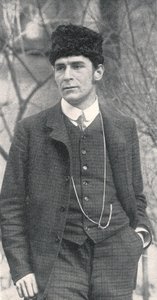
1880 - 1916 , Nemčija

Elevate your favorite photos into stunning anime masterpieces with Most-Famous-Paintings's AI-driven transformation. Experience the perfect fusion of cutting-edge technology and hand-painted oil artistry to create a timeless, personalized legacy for your home.


Bodite na sešte, s najnovejšimi novicami iz sveta umetnosti, ekskluzivnimi ponudbami in idejami za dekoracijo.
Povejte nam o svojem projektu in naši strokovnjaki za umetnost vam bodo pripravili 3 prilagojene predloge umetniških del.
Naj vam izberemo 3 možnosti – popolnoma brezplačno!


 Predogled
 Pošlji
 Deli
Deli
 Podrobnosti o delu

 Prenesi
 Podobni izdelki
 Rentgenski posnetek
 Predvajaj diaporama

 Razviljaj več







 Možnost stekla je na voljo le za velikosti pod 110 cm


