


x


 Kupi tiskanino Kupi digitalno sliko
 Pošlji
 Podrobnosti o delu
 Dodaj v priljubljene
 Prenesi
 Podobni izdelki
 Rentgenski posnetek
 Predvajaj diaporama
 Acrylic On CanvasWallArtGeorges Braque
 1949Modern
 144.0 x 174.0 cm
Ročno slikano olje na platnu v vaši izbiri velikosti in okvirja, izdelano po naročilu naših umetnikov.





























Izberite eno od naših vnaprej določenih velikosti, ki ustrezajo prvotnim proporcijam umetničkega dela.

Svoje dimenzije lahko vnesete tako, da se prilagodite določenemu okvirju ali prostoru. Če izbrana velikost ne ustreza razmerjem originalne slike, bomo umetniško delo obrezali ali sliko dopolnili z dodatnimi ročno naslikanimi elementi. Pred začetkom proizvodnje vam bo poslan digitalni osnutek v odobritev.
Upoštevajte, da predogled na zaslonu ne odraža dejanskega obrezovanja ali podaljšanja. Le osnutek bo natančno prikazal končno kompozicijo.
Čeprav so na voljo velikosti po meri, priporočamo izbiro dimenzije s preddefiniranega seznama, da ohranimo originalne razmere.
Svetska dostava () za 3/4 nedelje umesto uobičajenih 5 nedelja. (20 julij). Bez kompromisa po pitanju kvaliteta.


The Studio (V)
Velikost reprodukcije
Georges Braque's 1949 masterpiece, *The Studio (V)*, is not merely a painting; it’s an excavation of perception itself. Measuring 144 x 174 cm, the canvas pulsates with a subdued energy, a quiet chaos born from layered forms and a restricted palette of dark browns, blacks, and restrained reds. To stand before this work – or even to deeply contemplate its reproduction – is to enter a space where traditional notions of representation dissolve, replaced by a compelling exploration of how we *know* rather than simply *see*. Braque doesn’t offer us a window onto reality; he presents us with the very building blocks of visual experience, fractured and reassembled in a dynamic interplay of geometric shapes. The artwork feels less like a depiction of an interior or cityscape, and more like a distillation of their essence – the feeling of enclosure, the density of modern life, the weight of accumulated memory.
Braque, alongside Pablo Picasso, irrevocably altered the course of art history with the advent of Cubism in the early 20th century. *The Studio (V)* isn’t a late-life imitation of past glories; it's a testament to his unwavering commitment to this revolutionary style, even as he continued to refine and evolve its principles. The rejection of traditional perspective is paramount here. Braque masterfully presents multiple viewpoints simultaneously, not through illusionistic techniques, but through a deliberate fragmentation of form. This isn’t simply about breaking down objects; it's about acknowledging the inherent complexity of perception itself. The technique employed – a meticulous collage and layering of materials likely including paper, paint, and potentially fabric or cardboard – adds another dimension to this exploration. It’s as if Braque is building up the surface of the canvas, creating a tactile depth that mirrors the layered nature of experience. The angularity of lines and the deliberate disruption of form aren't arbitrary choices; they are fundamental to Cubism’s ambition: to represent not what things *look* like, but what we *know* them to be – a composite of observed facets.
Created in the aftermath of World War II, *The Studio (V)* resonates with the profound sense of disruption that permeated the postwar world. Traditional notions of order and stability had been shattered, and Braque’s fragmented aesthetic serves as a powerful visual metaphor for this upheaval. Yet, despite its inherent complexity, the painting doesn't scream or demand attention; it invites quiet contemplation. The subdued lighting and strong shadows enhance the sense of depth within the fractured composition, drawing the viewer into an intimate dialogue with the artwork. While titled “The Studio,” the ambiguity of the subject matter is crucial to Braque’s intent. Are we looking at a painter's workspace – canvases, furniture, tools scattered across the floor? Or are these fragmented forms suggestive of a densely packed urban landscape? The answer, perhaps, is both and neither. It’s this deliberate elusiveness that elevates *The Studio (V)* beyond mere representation, transforming it into an exploration of space, perception, and the very act of painting itself. The layering of materials can be interpreted as the accumulation of memories and impressions, a visual record of lived experience.

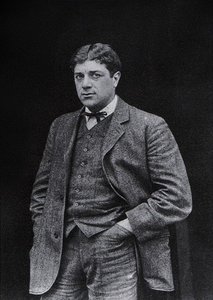
1882 - 1963 , Francija
Odkrijte 25 mojstrovinskih del Georgesa Braqueja – pionirja kubizma! Preberite zgodbe za vsako sliko, tehnike in navdih. Reprodukcije slik visoke kakovosti za vaš dom na Most-Famous-Paintings.com.
Odkrijte 25 mojstrovin Georgesa Seurata, pionirja pointilizma! Preučite zgodbe za ikoničnimi slikami, kot sta 'Nedeljski dan na otoku La Grande Jatte' in 'Kopalci v Asnières'. Kvalitetne reprodukcije za vaš dom – Most-Famous-Paintings.com.
Odkrijte 25 mojstrovin Fernanda Légerja – pionirja kubizma in tubizma. Raziskajte zgodbe, tehnike in navdih za ikonične slike tega modernističnega umetnika. Kvalitetne reprodukcije slik na Most-Famous-Paintings.com.
Journey through Wassily Kandinsky's 25 most iconic abstract paintings. Explore his revolutionary use of color, form & spiritual expressionism. Find museum-quality Kandinsky reproductions and elevate your home decor with Most-Famous-Paintings.com. Discover all masterpieces on Most-Famous-Paintings.com!

Odkrijte 25 ikoničnih umetnin Metropolitanskega muzeja v New Yorku! Preberite zgodbe Van Gogha, Moneta in drugih mojstrov. Reprodukcije slik za vaš dom – ekskluzivno na Most-Famous-Paintings.com.


Bodite na sešte, s najnovejšimi novicami iz sveta umetnosti, ekskluzivnimi ponudbami in idejami za dekoracijo.
Povejte nam o svojem projektu in naši strokovnjaki za umetnost vam bodo pripravili 3 prilagojene predloge umetniških del.
Naj vam izberemo 3 možnosti – popolnoma brezplačno!


 Deli
Deli

 Razviljaj več







 Možnost stekla je na voljo le za velikosti pod 110 cm


