x

Giclée ali platnati odtis muzejske kakovosti z hitro proizvodnjo in prilagodljivimi možnostmi končne obdelave. ( Kupi ročno naslikano sliko Kupi digitalno sliko)





























Izberite eno od naših vnaprej določenih velikosti, ki ustrezajo prvotnim proporcijam umetničkega dela.

Svoje dimenzije lahko vnesete sami, da bodo ustrezne za določen okvir ali prostor. Če izbrana velikost ne bo skladna z razmerji izvirne slike, bomo umetniško delo orezali ali podaljšali s pomočjo ogledalnega odraza ali barvno polnega roba. Pred začetkom proizvodnje vam bomo poslali digitalni predogled za potrditev.
Upoštevajte, da predogled na zaslonu ne prikazuje dejanskega orezovanja ali podaljševanja. Le digitalni predogled bo natančno prikazal končno kompozicijo.
Čeprav so na voljo prilagojene velikosti, priporočamo izbiro dimenzije s predhodno določenega seznama, da ohranite prvotna razmerja.
Globalna dostava () v 2 tednih namesto standardnih 4/5 tednov. (18 avgust)


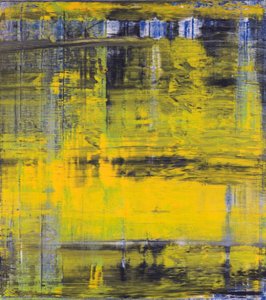
19.3.92
Velikost reprodukcije
Gerhard Richter’s “19.3.92” isn’t merely a painting; it’s a carefully constructed echo of memory, a meditation on the shifting nature of perception, and a testament to the artist’s masterful manipulation of abstract expressionism. Painted in 1992, this work immediately draws the viewer into a scene both familiar and subtly unsettling – a field ablaze with yellow flowers set against the imposing silhouette of distant mountains. The composition feels deliberately incomplete, as if Richter has captured a fleeting impression rather than striving for photographic realism, mirroring perhaps the fragmented nature of recollection itself. The painting’s power lies not in its literal depiction but in the emotional resonance it evokes – a sense of quiet contemplation mingled with an underlying current of melancholy.
To fully appreciate “19.3.92,” it’s crucial to understand Richter's personal history. Born in Dresden in 1932, his childhood was profoundly shaped by the tumultuous events of World War II and the subsequent division of Germany. His family’s repeated moves during this period instilled a deep sense of displacement and uncertainty – emotions that undoubtedly inform his work. The painting can be seen as an attempt to grapple with these experiences, not through direct narrative but through the evocative language of color and form. The mountains in the background, often interpreted as representing the imposing presence of authority or perhaps even the weight of history, add a layer of complexity to the scene.
The dominant yellow flowers are more than just a decorative element; they symbolize hope, joy, and the fleeting beauty of nature. However, their scattered arrangement and the muted tones of the surrounding landscape suggest a bittersweetness – an awareness that these moments of happiness are often transient. The vastness of the mountains serves as a counterpoint to this intimacy, reminding us of our own smallness in the face of the natural world. “19.3.92” is ultimately a painting about the delicate balance between memory and reality, hope and despair, beauty and loss. It invites viewers to contemplate their own personal histories and the enduring power of human experience.


1932 - , Nemčija

Explore the profound history and emotional depth of Abstract Expressionism. From Jackson Pollock to Mark Rothko, master the nuances of the New York School through our expert art history guide. Discover museum-quality hand-painted reproductions for your collection.


Bodite na sešte, s najnovejšimi novicami iz sveta umetnosti, ekskluzivnimi ponudbami in idejami za dekoracijo.
Povejte nam o svojem projektu in naši strokovnjaki za umetnost vam bodo pripravili 3 prilagojene predloge umetniških del.
Naj vam izberemo 3 možnosti – popolnoma brezplačno!


 Predogled
 Pošlji
 Deli
Deli
 Podrobnosti o delu

 Prenesi
 Podobni izdelki
 Rentgenski posnetek
 Predvajaj diaporama

 Razviljaj več







 Možnost stekla je na voljo le za velikosti pod 110 cm