


x

 Oil On PanelBaroque
 1595
1595 47.0 x 34.0 cm
 Galerija Borghese
Giclée ali platnati odtis muzejske kakovosti z hitro proizvodnjo in prilagodljivimi možnostmi končne obdelave. ( Kupi ročno naslikano sliko Kupi digitalno sliko)





























Izberite eno od naših vnaprej določenih velikosti, ki ustrezajo prvotnim proporcijam umetničkega dela.

Svoje dimenzije lahko vnesete sami, da bodo ustrezne za določen okvir ali prostor. Če izbrana velikost ne bo skladna z razmerji izvirne slike, bomo umetniško delo orezali ali podaljšali s pomočjo ogledalnega odraza ali barvno polnega roba. Pred začetkom proizvodnje vam bomo poslali digitalni predogled za potrditev.
Upoštevajte, da predogled na zaslonu ne prikazuje dejanskega orezovanja ali podaljševanja. Le digitalni predogled bo natančno prikazal končno kompozicijo.
Čeprav so na voljo prilagojene velikosti, priporočamo izbiro dimenzije s predhodno določenega seznama, da ohranite prvotna razmerja.
Globalna dostava () v 2 tednih namesto standardnih 4/5 tednov. (22 avgust)


The Flight into Egypt
Velikost reprodukcije
Giuseppe Cesari’s “The Flight into Egypt,” completed in 1595, is more than just a biblical scene; it's a meticulously crafted tableau brimming with symbolic depth and the palpable drama characteristic of the late Mannerist and early Baroque periods. Housed within the Galleria Borghese in Rome, this oil-on-panel work offers a rare glimpse into the artistic sensibilities of a master often overshadowed by his more celebrated contemporaries, yet undeniably possessing a profound understanding of light, composition, and emotional resonance.
The painting immediately draws the viewer into a world of heightened realism and carefully orchestrated movement. Cesari’s masterful use of chiaroscuro – the dramatic interplay of light and shadow – dominates the scene, lending it an almost theatrical quality. The figures are bathed in a warm, golden glow emanating from an unseen source, while the surrounding landscape is plunged into relative darkness, creating a powerful sense of depth and emphasizing the urgency of their flight. Notice how the artist subtly employs atmospheric perspective; distant trees recede into a hazy blue, further enhancing the illusion of space and conveying the vastness of the journey.
At the heart of the composition lies Mary, seated on a humble donkey, her posture radiating both vulnerability and unwavering faith. She cradles the infant Jesus with an expression of serene devotion, his face tilted upwards as if receiving guidance from above. Joseph, depicted as a strong and protective figure, guides their way, his hand outstretched to ensure their safety. The figures are not idealized; they possess a tangible humanity – Mary’s slightly furrowed brow, Joseph's weary but determined gaze – which imbues the scene with an immediate sense of connection. The detail in their clothing—Mary’s vibrant red dress contrasting sharply with the muted tones of the landscape—adds to the visual richness and reinforces the narrative’s central theme of refuge and protection.
Cesari's work firmly resides within the Mannerist tradition, a transitional period between the High Renaissance and the Baroque. While retaining elements of classical balance and proportion, Mannerism embraced exaggeration, stylized forms, and an intense emotionality – qualities that would be further amplified in the Baroque era. The elongated figures, the dramatic lighting, and the heightened sense of movement all reflect these influences. However, Cesari’s style is distinct from the more overtly theatrical works of artists like Bronzino or Parmigianino; there's a quiet dignity and emotional restraint that sets his work apart.
The painting’s landscape, painted with meticulous detail, isn’t merely a backdrop but an integral part of the narrative. It’s a stylized representation of the countryside, incorporating elements like a temple – likely referencing the Temple of the Sibyl at Tivoli, a frequent motif in Italian art – which symbolizes prophecy and divine guidance. The inclusion of a small bird soaring overhead adds to the sense of movement and urgency, suggesting that their journey is fraught with peril.
“The Flight into Egypt” is rich in symbolic meaning. The flight itself represents not only Mary and Joseph’s escape from Herod's murderous intent but also a deeper allegory of the Holy Family’s rejection of worldly power and their embrace of spiritual truth. The donkey, a humble animal, symbolizes humility and service – qualities essential to the Christian narrative. The infant Jesus, bathed in light, embodies divine grace and salvation.
The painting's enduring appeal lies in its ability to evoke a profound sense of empathy and wonder. It’s a timeless depiction of faith, family, and the struggle for survival—themes that resonate deeply with viewers across cultures and generations. The scene captures a moment of intense vulnerability and unwavering hope, reminding us of the power of love and devotion in the face of adversity.
Reproductions of “The Flight into Egypt” by Giuseppe Cesari offer an exceptional opportunity to bring this captivating artwork into your home or office. Most-Famous-Paintings’s hand-painted reproductions faithfully capture the original's intricate details, vibrant colors, and dramatic lighting, ensuring that you own a piece of art history. Whether displayed in a grand salon or a cozy study, this painting will undoubtedly serve as a source of inspiration and contemplation for years to come.
For more information about Cesari’s life and work, and to explore other stunning reproductions available at Most-Famous-Paintings.com, please visit the links provided below:
Explore further with these additional resources:


1568 - 1640
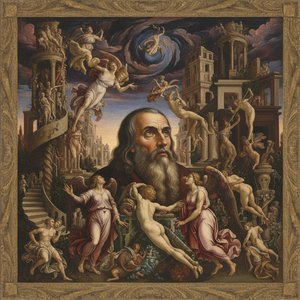
Explore the dramatic transition from High Renaissance harmony to Mannerist tension. Discover how masters like El Greco redefined art through distortion and spiritual intensity. An expert guide for art enthusiasts seeking deep historical context and museum-quality inspiration.

Explore the dramatic evolution from Mannerist distortion to Baroque grandeur. Discover how light, shadow, and emotion redefined art history through a masterclass in technical mastery and religious fervor.

Explore the dramatic evolution of Mannerism from High Renaissance perfection to El Greco's spiritual intensity. Discover the history, techniques, and enduring legacy of this transformative era through an expert art-history lens.


Bodite na sešte, s najnovejšimi novicami iz sveta umetnosti, ekskluzivnimi ponudbami in idejami za dekoracijo.
Povejte nam o svojem projektu in naši strokovnjaki za umetnost vam bodo pripravili 3 prilagojene predloge umetniških del.
Naj vam izberemo 3 možnosti – popolnoma brezplačno!


 Predogled
 Pošlji
 Deli
Deli
 Podrobnosti o delu

 Prenesi
 Podobni izdelki
 Rentgenski posnetek
 Predvajaj diaporama
 Razviljaj več







 Možnost stekla je na voljo le za velikosti pod 110 cm


