x

Giclée ali platnati odtis muzejske kakovosti z hitro proizvodnjo in prilagodljivimi možnostmi končne obdelave. ( Kupi ročno naslikano sliko Kupi digitalno sliko)





























Izberite eno od naših vnaprej določenih velikosti, ki ustrezajo prvotnim proporcijam umetničkega dela.

Svoje dimenzije lahko vnesete sami, da bodo ustrezne za določen okvir ali prostor. Če izbrana velikost ne bo skladna z razmerji izvirne slike, bomo umetniško delo orezali ali podaljšali s pomočjo ogledalnega odraza ali barvno polnega roba. Pred začetkom proizvodnje vam bomo poslali digitalni predogled za potrditev.
Upoštevajte, da predogled na zaslonu ne prikazuje dejanskega orezovanja ali podaljševanja. Le digitalni predogled bo natančno prikazal končno kompozicijo.
Čeprav so na voljo prilagojene velikosti, priporočamo izbiro dimenzije s predhodno določenega seznama, da ohranite prvotna razmerja.
Globalna dostava () v 2 tednih namesto standardnih 4/5 tednov. (18 avgust)


Venise
Velikost reprodukcije
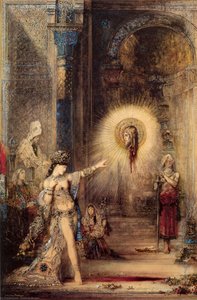
Gustave Moreau’s “Venise,” completed around 1885, stands as a cornerstone of Symbolist painting—a movement that prioritized emotion and psychological depth over literal representation. Unlike the Impressionists who sought to capture fleeting moments of visual experience, Moreau aimed to distill the essence of feeling into an image imbued with spiritual significance. This artwork isn’t merely a depiction of Venice; it's a portal into Moreau’s inner world—a realm populated by fantastical figures and bathed in ethereal luminescence.
Moreau’s artistic vision drew heavily from classical mythology, specifically the legend of Venus and Adonis. The central nude figure embodies Venus herself, reclining gracefully on a rocky outcrop—a motif reminiscent of ancient sculptures depicting goddesses in repose. Her expansive wings, feathered with meticulous detail, elevate her above earthly concerns, symbolizing divine grace and transcendence. This deliberate allusion to pagan iconography underscores Moreau’s desire to explore themes of beauty, desire, and mortality through the lens of timeless myths.
Moreau achieved his dreamlike effect primarily through oil paint applied with loose brushstrokes—a technique characteristic of Symbolist painters. These strokes create a palpable textural surface that captures the subtle nuances of light and shadow, contributing to the artwork’s overall atmosphere. The artist skillfully utilizes lines to define the contours of the figure and wings, emphasizing their organic forms while simultaneously conveying movement and dynamism. Furthermore, Moreau employs muted earthy tones—pale ochres, browns, and greys—to evoke a sense of melancholy and solitude, mirroring the contemplative mood he wished to convey.
In the hazy background, Moreau introduces a suggestion of Venice’s cityscape—a distant panorama rendered in soft pastel hues. This inclusion isn't merely decorative; it serves as a counterpoint to the figure’s serene isolation, hinting at the passage of time and the inevitable decay inherent in earthly existence. The flattened perspective reinforces the dreamlike quality of the scene, immersing the viewer in Moreau’s imaginative vision.
"Venise" exemplifies Moreau's profound engagement with Symbolist principles—a rejection of realism in favor of subjective experience and spiritual contemplation. Its enduring appeal lies in its ability to evoke a powerful emotional response, prompting viewers to ponder questions of beauty, mortality, and the relationship between humanity and divinity. Gustave Moreau’s masterpiece continues to inspire artists and collectors alike, cementing his place as one of the most influential figures in late nineteenth-century art.

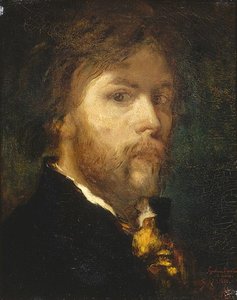
1826 - 1898 , Francija

Explore the evocative world of Symbolist painting. Discover how masters like Gustave Moreau rejected realism to capture dreams, myths, and the subconscious through fine art history and expert analysis.

Explore the profound beauty of Greek mythology through art history. From Baroque masterpieces to Renaissance classics, discover how gods and heroes have inspired the world's greatest painters in this expert guide for collectors and history lovers.


Bodite na sešte, s najnovejšimi novicami iz sveta umetnosti, ekskluzivnimi ponudbami in idejami za dekoracijo.
Povejte nam o svojem projektu in naši strokovnjaki za umetnost vam bodo pripravili 3 prilagojene predloge umetniških del.
Naj vam izberemo 3 možnosti – popolnoma brezplačno!


 Predogled
 Pošlji
 Deli
Deli
 Podrobnosti o delu

 Prenesi
 Podobni izdelki
 Rentgenski posnetek
 Predvajaj diaporama
 Razviljaj več







 Možnost stekla je na voljo le za velikosti pod 110 cm