x

Kupite digitalno sliko visoke ločljivosti z izboljšano kakovostjo, ki je precej boljša od spletnega predogleda.
Vsaka datoteka je pod natančnim nadzorom naših strokovnjakov, ki uporabljajo napredna orodja in strokovno ročno obdelavo. Zagotovimo, da ima vsaka slika izjemno jasnost, natančnost barv in fine podrobnosti.
Končna datoteka je po e-pošti dostavljena v 72 urah, optimizirana za takojšnjo uporabo v profesionalnem, uredniškem in tiskarskem okolju. To je kakovost, ki ji zaupajo vrhunska oblikovalna studia, založniki in galerije.
Prenesite datoteko visoke ločljivosti za osebno uporabo, tiskanje in kreativne projekte. ( Kupi tisk Kupi ročno naslikano sliko)
Ko izberete Most-Famous-Paintings.com, ne prejmete le slike – prejmete digitalno umetniško delo, ki je profesionalno urejeno, izdelano z natančnostostjo in zavestno zagotovljeno z garancijo za zadovoljstvo. Tukaj je vse, kar samodejno prejmete z vašim naročilom:

Vaša digitalna slika visoke ločljivosti bo na vaš e-naslov poslana v roku 72 ur od zaklopa naročila – pripravljena za takojšnjo uporabo.

Vaše umetniško delo je strokovno optimizirano z uporabo naprednih orodij umetne inteligence in ročne obdelave, kar zagotavlja največjo stopnjo podrobnosti, jasnosti in barvne natančnosti.

Ste zaradi nespremietne napake izgubili ali izbrisali svojo datoteko? Ni težav – vam jo bomo ponovno poslali kadar koli in brezplačno.

Uživajte v svojem umetniškem delu takoj, brez carin, davkov ali stroškov dostave – digitalni prenosi so vedno brezdavčni.

Z uporabo profesionalnih orodij in upravljanja barv zagotavljamo, da vaša digitalna slika čim bolj natančno odraža prvotne barve.

Če niste zadovoljni s svojo digitalno sliko, jo bomo uredili ali vam v 60 dneh povrnili 100% denarja – brez kakršnih koli vprašanj.

Niste zadovoljni? Zagovрите popoln povračilo sredstev v 60 dneh po prejemu digitalne datoteke – brez kakršnih koli vprašanj.

Kupite 3 slike, prihranite 10% - Kupite 5 slik, prihranite 15% - Kupite 10+ slik, prihranite 20%. Odlično za kreativne projekte, galerije in agencije.
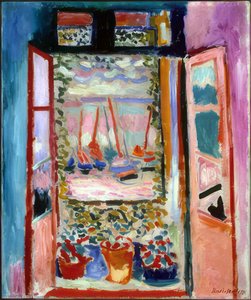
Henri Matisse's "The Studio under the Eaves," painted around 1903, isn’t merely a depiction of an artist’s workspace; it’s a profound meditation on creativity, solitude, and the very essence of artistic struggle. This intimate scene, rendered in the heart of Matisse’s early career, offers a rare and compelling window into the mind of a master grappling with his own artistic identity. The painting immediately draws the viewer inward, enveloped by a carefully orchestrated interplay of light, shadow, and color – elements that speak volumes about Matisse's evolving style and deeply personal experiences.
The composition is deceptively simple yet remarkably effective. A central vertical axis, defined by the window frame and the easel, anchors the eye, leading it towards the warm, inviting glow emanating from within. The room itself feels both familiar and slightly unsettling – a small, almost claustrophobic space dominated by dark tones and the suggestion of hidden depths. The use of angular lines in the window and easel contrasts subtly with the softer, more blended brushstrokes that define the walls and shadows, creating a dynamic tension between structure and atmosphere. Geometric shapes—rectangles for the table and box, triangles for the easel—are employed deliberately, grounding the scene while simultaneously hinting at an underlying order beneath the apparent chaos.
Matisse’s masterful manipulation of color is undoubtedly the painting's most striking feature. The palette is predominantly earthy – ochres, browns, and muted greens—but punctuated by vibrant splashes of orange light spilling from the window. This dramatic contrast isn’t simply decorative; it represents a crucial symbolic element. The light symbolizes inspiration, a connection to the outside world, and perhaps even hope amidst the artist's personal difficulties at the time. The darkness surrounding the light suggests introspection, the challenges inherent in artistic creation, and the isolation that often accompanies it. Notice how Matisse uses impasto – thick application of paint – particularly around the edges of objects and within the shadowed areas, adding a tactile quality to the canvas and intensifying the sense of depth.
The historical context surrounding “The Studio under the Eaves” is deeply intertwined with Matisse's personal life. Painted in 1903, during a period of significant upheaval for the artist – marked by financial struggles and professional setbacks – the painting reflects his emotional state. As documented in numerous sources, including audio recordings from MoMA and scholarly articles, Matisse was experiencing a profound crisis of confidence after returning to his hometown of Bohain-en-Vermandois following a failed attempt at establishing himself in Paris. The bleakness of the studio, the simple furnishings, and the solitary figure (implied by the easel) all speak to this sense of isolation and uncertainty. The letter he wrote to his friend Bussy reveals a deep despair and a questioning of his artistic direction – feelings that are powerfully conveyed through the painting’s somber mood.
“The Studio under the Eaves” is considered a pivotal work in Matisse's development, marking a transition towards Fauvism. While retaining elements of Realism in its depiction of space and form, the painting showcases Matisse’s growing emphasis on color as an expressive element—a characteristic that would define his later work. The bold, non-naturalistic colors, combined with simplified forms and flattened perspective, foreshadowed the radical departure from traditional artistic conventions that would characterize Fauvism. This piece demonstrates how Matisse wasn't simply painting a room; he was exploring the emotional landscape of an artist confronting his own limitations and searching for renewed inspiration.


1869 - 1954 , Francija


Bodite na sešte, s najnovejšimi novicami iz sveta umetnosti, ekskluzivnimi ponudbami in idejami za dekoracijo.
Povejte nam o svojem projektu in naši strokovnjaki za umetnost vam bodo pripravili 3 prilagojene predloge umetniških del.
Naj vam izberemo 3 možnosti – popolnoma brezplačno!


 Predogled
 Pošlji
 Deli
Deli
 Podrobnosti o delu

 Prenesi
 Podobni izdelki
 Rentgenski posnetek
 Predvajaj diaporama

 Razviljaj več