x
Ročno slikano olje na platnu v vaši izbiri velikosti in okvirja, izdelano po naročilu naših umetnikov. ( Switch to Print Preklop na sliko)





























Izberite eno od naših vnaprej določenih velikosti, ki ustrezajo prvotnim proporcijam umetničkega dela.

Svoje dimenzije lahko vnesete tako, da se prilagodite določenemu okvirju ali prostoru. Če izbrana velikost ne ustreza razmerjem originalne slike, bomo umetniško delo obrezali ali sliko dopolnili z dodatnimi ročno naslikanimi elementi. Pred začetkom proizvodnje vam bo poslan digitalni osnutek v odobritev.
Upoštevajte, da predogled na zaslonu ne odraža dejanskega obrezovanja ali podaljšanja. Le osnutek bo natančno prikazal končno kompozicijo.
Čeprav so na voljo velikosti po meri, priporočamo izbiro dimenzije s preddefiniranega seznama, da ohranimo originalne razmere.
Svetska dostava () za 3/4 nedelje umesto uobičajenih 5 nedelja. (10 avgust). Bez kompromisa po pitanju kvaliteta.


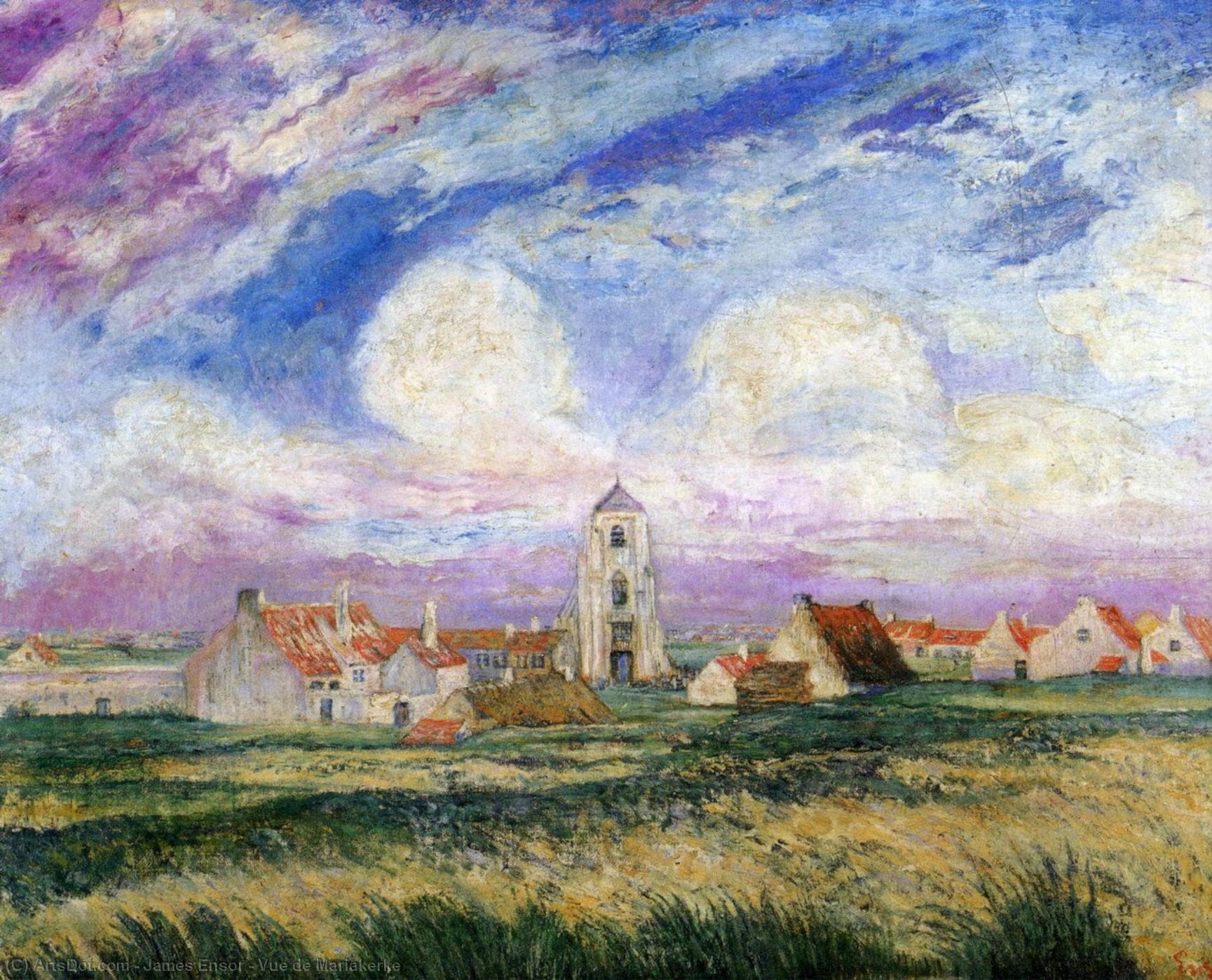
Vue de Mariakerke
Velikost reprodukcije
James Ensor's Vue de Mariakerke, a captivating depiction of the Flemish village nestled beside the North Sea, is more than just a picturesque landscape; it’s a profound meditation on identity, anxiety, and the unsettling nature of reality. Painted in approximately 1920, this work exemplifies Ensor’s unique artistic vision – a world steeped in symbolism, psychological depth, and a deliberate rejection of conventional academic styles. The scene itself is deceptively tranquil: a small village centered around its church, framed by a dramatic sky pregnant with brooding clouds. Yet, beneath the surface of this seemingly idyllic composition lies a palpable sense of unease, characteristic of Ensor’s oeuvre.
Born in 1860 into an unusual family—his father English and his mother Belgian—James Ensor's life was profoundly shaped by this dual heritage. This background fueled his lifelong preoccupation with themes of disguise, duality, and the hidden aspects of human nature. His childhood spent amidst the vibrant chaos of Ostend’s seaside resort town, coupled with his parents’ souvenir shop filled with masks and curiosities, provided a rich visual vocabulary that would inform his artistic explorations. Ensor's early struggles with academic training – he initially resisted traditional approaches before eventually studying at the Académie Royale des Beaux-Arts in Brussels – highlight his determination to forge his own path, one defined by emotional intensity and symbolic resonance.
Vue de Mariakerke is not simply a representation of a village; it’s an emotional landscape rendered in paint. The painting's power lies in its ability to evoke a sense of melancholy, apprehension, and perhaps even a touch of horror. Ensor was a master of manipulating the viewer’s emotions through color, composition, and subject matter. This work demonstrates his skill at creating a scene that is both beautiful and deeply unsettling, inviting contemplation on the darker aspects of human existence. Ensor's influence extends far beyond the Belgian art world, impacting movements such as Expressionism and Surrealism. A hand-painted reproduction of *Vue de Mariakerke* offers an unparalleled opportunity to experience the full force of Ensor’s artistic vision – a testament to his enduring legacy as one of the most original and challenging artists of the 20th century.
This stunning reproduction captures the essence of Ensor's unique style, making it an ideal addition to any art collection or interior design scheme. The textured surface and evocative imagery will bring a touch of artistic drama to your space, while its historical significance adds a layer of intellectual depth. Most-Famous-Paintings offers museum-quality reproductions meticulously crafted by skilled artisans, ensuring that you receive a faithful representation of this iconic artwork.
James Sidney Edouard Ensor (Ostend, 13 April 1860-19 November 1949) was a Belgian painter and printmaker who stands as one of the most influential figures in the development of Expressionism and Surrealism. Born into an English father and Belgian mother—a duality that profoundly shaped his artistic worldview—Ensor defied convention from the outset, rejecting academic formalism and embracing unsettling imagery rooted in psychological exploration.
His formative years were marked by exposure to Ostend’s vibrant seaside atmosphere and his parents’ souvenir shop, which stocked exotic objects and carnival masks – stimuli that ignited his imagination and instilled a lifelong fascination with disguise. Ensor pursued formal artistic training at the Académie Royale des Beaux-Arts in Brussels, where he encountered fellow artists like Fernand Khnopff and Theo Van Rysselberghe—connections that fostered intellectual debate and propelled him beyond traditional boundaries.
Around 1886-1889 Ensor embarked on a transformative stylistic journey, abandoning Impressionistic ideals for Expressionist techniques characterized by bold brushwork and vibrant color palettes. Influenced by Rembrandt’s masterful use of chiaroscuro, Francisco Goya’s unflinching depictions of human suffering, and Japanese woodcuts—a fascination with visual symbolism—Ensor developed a distinctive iconography focused on grotesque figures and unsettling narratives.
His most celebrated works – including *Christ's Entry into Brussels* (1888-1889), *The Scandalized Masks* (1883) and *Skeletons Fighting over a Hanged Man* (1891) – exemplify Ensor’s commitment to confronting uncomfortable truths about human psychology and societal hypocrisy. Recurring themes throughout his oeuvre include death, decay, social critique, religious satire, and the boundless potential of imagination—elements that continue to resonate with audiences today.
James Ensor's uncompromising artistic vision solidified his position as a pivotal innovator in modern art, paving the way for Expressionist artists like Edvard Munch and Surrealists like René Magritte. His rejection of academic conventions and embrace of psychological depth profoundly impacted subsequent generations of painters—establishing him as an enduring symbol of artistic rebellion and intellectual courage.

1860 - 1949 , Belgija

Ovekovečite vaše najdražje trenutke z ročno poslikanimi reprodukcijami vrhunske kakovosti pri Most-Famous-Paintings! Naročite edinstveno umetnino po fotografiji in ustvarite družinsko dediščino. 100% zadovoljstvo zagotovljeno!

Explore the captivating world of James Ward (1769-1859), a master of British Romantic landscape & animal painting. Discover his iconic 'Gordale Scar' and exquisite portraits – a timeless art investment. Learn about his influences, style, and enduring legacy.

Journey through art history with our guide to 10 legendary oil on canvas masterpieces! Explore iconic works by Van Gogh, Monet & Rembrandt. Find museum-quality reproductions and elevate your home decor at . Discover all masterpieces online.

Explore the life & works of Daniel Maclise, a leading Victorian historical painter. Discover his captivating murals, Shakespearean scenes, and portraits at Most-Famous-Paintings.com – handmade oil paintings & museum-quality prints.

Journey through 10 legendary 'Oil on Panel' masterpieces by Van Eyck, Bosch & Bruegel. Explore the stories behind these iconic Renaissance & Baroque paintings and find museum-quality art reproductions to elevate your home decor. Discover all masterpieces on !


Bodite na sešte, s najnovejšimi novicami iz sveta umetnosti, ekskluzivnimi ponudbami in idejami za dekoracijo.
Povejte nam o svojem projektu in naši strokovnjaki za umetnost vam bodo pripravili 3 prilagojene predloge umetniških del.
Naj vam izberemo 3 možnosti – popolnoma brezplačno!


 Predogled
 Pošlji
 Deli
Deli
 Podrobnosti o delu

 Prenesi
 Podobni izdelki
 Rentgenski posnetek
 Predvajaj diaporama

 Razviljaj več







 Možnost stekla je na voljo le za velikosti pod 110 cm