


x

 Olje na leseni podlagiRazvojna nizozemska umetnost
 1432Renesanca
 12.0 x 19.0 cm
Giclée ali platnati odtis muzejske kakovosti z hitro proizvodnjo in prilagodljivimi možnostmi končne obdelave. ( Kupi ročno naslikano sliko Kupi digitalno sliko)





























Izberite eno od naših vnaprej določenih velikosti, ki ustrezajo prvotnim proporcijam umetničkega dela.

Svoje dimenzije lahko vnesete sami, da bodo ustrezne za določen okvir ali prostor. Če izbrana velikost ne bo skladna z razmerji izvirne slike, bomo umetniško delo orezali ali podaljšali s pomočjo ogledalnega odraza ali barvno polnega roba. Pred začetkom proizvodnje vam bomo poslali digitalni predogled za potrditev.
Upoštevajte, da predogled na zaslonu ne prikazuje dejanskega orezovanja ali podaljševanja. Le digitalni predogled bo natančno prikazal končno kompozicijo.
Čeprav so na voljo prilagojene velikosti, priporočamo izbiro dimenzije s predhodno določenega seznama, da ohranite prvotna razmerja.
Globalna dostava () v 2 tednih namesto standardnih 4/5 tednov. (23 avgust)


Sv. Jeroma študija
Velikost reprodukcije
Življenje Osvetljeno: Svet Jana van Eycka. Jan van Eyck, ime tesno povezano z začetkom zgodnje nizozemske slike in revolucionarno uporabo oljne barve, ostaja skrivnostna figura kljub njegovemu ogromnemu vplivu na umetniško zgodovino. Rojen okoli leta 1390 v Maastrihu, ki se danes nahaja na Nizozemskem, je Van Eyck prišel iz družine, globoko ukoreninjene v umetniški tradiciji – njegov starejši brat Hubert je prav tako deloval kot slikar, čeprav podrobnosti o njegovem delu ostajajo nejasne. Čepra
Življenje Osvetljeno: Svet Jana van Eycka. Jan van Eyck’s St. Jerome in His Study, a remarkably intimate oil painting from 1432, isn't merely a depiction of a saint; it’s a meticulously crafted window into the mind and world of a Renaissance scholar. Measuring just over 12 by 19 centimeters, this diminutive panel commands attention not through its size, but through the sheer density of detail and the profound sense of quiet contemplation it evokes. The scene unfolds within a warmly lit study, dominated by the figure of St. Jerome himself – a man deeply absorbed in his work, surrounded by the tools and trappings of intellectual life. It’s a space both familiar and utterly captivating, inviting us to share in his solitary pursuit of knowledge.
To truly appreciate St. Jerome in His Study, one must acknowledge the groundbreaking techniques employed by Van Eyck. He was a pioneer in the application of oil paint on panel, a medium that allowed for unprecedented levels of detail, luminosity, and textural richness. Unlike tempera paints which dry quickly and create a matte finish, oils could be manipulated slowly, building up layers of color and creating subtle gradations of tone. This painstaking process is evident in every brushstroke—the delicate rendering of the folds in Jerome’s robes, the intricate details of the books and instruments on his desk, and the soft glow of light illuminating the scene.
Van Eyck's mastery extends to his use of *sfumato*, a technique borrowed from the East, which creates an atmospheric haze around objects, softening edges and lending a sense of depth. This is particularly noticeable in the background, where the study appears slightly blurred, drawing our attention to the central figure and his immediate surroundings. The painting’s colors are rich and vibrant—deep reds, blues, and greens—but applied with remarkable restraint, creating a harmonious and balanced palette.
Beyond its technical brilliance, St. Jerome in His Study is a treasure trove of symbolism. The lion at the saint’s feet, a recurring motif in his legend, represents his triumph over wild beasts—both literal and metaphorical, symbolizing his ability to subdue temptation and maintain faith. The open books suggest his dedication to biblical scholarship, while the astrolabe and other instruments reflect his interest in astronomy and mathematics – subjects closely linked to theology during the Renaissance.
The hourglass, a potent symbol of mortality, reminds us of the fleeting nature of time and the importance of dedicating one’s life to virtuous pursuits. Even the simple gesture of Jerome's hand—holding a quill pen poised above his work— speaks volumes about his commitment to intellectual labor. The inclusion of a small jar labeled “TYRIRICA,” an antidote to snakebite, hints at the saint’s struggles against temptation and his reliance on divine grace.
St. Jerome in His Study stands as a pivotal work in the history of art, marking a crucial transition from the Gothic to the Renaissance style. Van Eyck's innovations with oil paint profoundly influenced subsequent generations of artists, paving the way for the development of Northern European painting and shaping the course of Western art. Alongside works like *The Ghent Altarpiece* and *Isabella Borluut*, this intimate portrait offers a profound insight into the mind of a master craftsman and a testament to the enduring power of symbolism in visual storytelling.

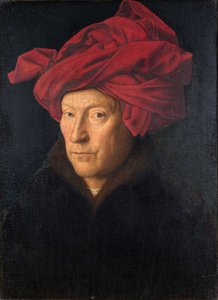
1390 - 1441 , Nizozemska

Journey into the world of Early Netherlandish painting! Explore 10 masterpieces by Jan van Eyck, Rogier van der Weyden & more. Discover stunning detail, symbolism & Renaissance art for your home decor. Find museum-quality reproductions on Most-Famous-Paintings.com

Explore the revolutionary art of Jan van Eyck! Discover his groundbreaking oil painting techniques, hidden symbolism, and lasting impact on the Early Netherlandish Renaissance. A deep dive for art enthusiasts.

Journey into the Early Netherlandish Renaissance! Explore 10 iconic paintings by Jan van Eyck, Rogier van der Weyden & more. Discover stunning detail, symbolism, and oil painting techniques. Find museum-quality art reproductions for your home at Most-Famous-Paintings.com.

Explore the captivating world of Early Netherlandish painting! Discover Jan van Eyck & other Flemish masters, their revolutionary techniques, hidden symbolism, and lasting legacy. A comprehensive guide for art enthusiasts.
Odkrijte 25 mojstrovin Rembrandta van Rijna! Preberite zgodbe o portretih, svetlobi in nizozemskem baroku. Kvalitetne reprodukcije slik za vaš dom na Most-Famous-Paintings.com. Raziskajte celotno zbirko online.


Bodite na sešte, s najnovejšimi novicami iz sveta umetnosti, ekskluzivnimi ponudbami in idejami za dekoracijo.
Povejte nam o svojem projektu in naši strokovnjaki za umetnost vam bodo pripravili 3 prilagojene predloge umetniških del.
Naj vam izberemo 3 možnosti – popolnoma brezplačno!


 Predogled
 Pošlji
 Deli
Deli
 Podrobnosti o delu

 Prenesi
 Podobni izdelki
 Rentgenski posnetek
 Predvajaj diaporama
 Razviljaj več







 Možnost stekla je na voljo le za velikosti pod 110 cm


