x

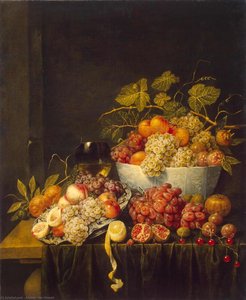
 Oil On CanvasWallArtDutch Golden Age
 1690Early Modern
 91.0 x 74.0 cm
 Wallace Collection
Giclée ali platnati odtis muzejske kakovosti z hitro proizvodnjo in prilagodljivimi možnostmi končne obdelave. ( Kupi ročno naslikano sliko Kupi digitalno sliko)





























Izberite eno od naših vnaprej določenih velikosti, ki ustrezajo prvotnim proporcijam umetničkega dela.

Svoje dimenzije lahko vnesete sami, da bodo ustrezne za določen okvir ali prostor. Če izbrana velikost ne bo skladna z razmerji izvirne slike, bomo umetniško delo orezali ali podaljšali s pomočjo ogledalnega odraza ali barvno polnega roba. Pred začetkom proizvodnje vam bomo poslali digitalni predogled za potrditev.
Upoštevajte, da predogled na zaslonu ne prikazuje dejanskega orezovanja ali podaljševanja. Le digitalni predogled bo natančno prikazal končno kompozicijo.
Čeprav so na voljo prilagojene velikosti, priporočamo izbiro dimenzije s predhodno določenega seznama, da ohranite prvotna razmerja.
Globalna dostava () v 2 tednih namesto standardnih 4/5 tednov. (20 avgust)


Dead Hare and Partridges
Velikost reprodukcije
To gaze upon Jan Weenix’s Dead Hare and Partridges is to step into a moment suspended between violence and quiet repose. This painting, executed around 1690, is far more than a mere collection of deceased fauna; it is a profound meditation on the relentless cycle of life, death, and sustenance that underpins the natural world. The composition immediately draws the eye to the central figure—the fallen hare, its head held in an almost defiant stillness against the earth. This arresting tableau, characteristic of the meticulous realism prized during the Dutch Golden Age, invites the viewer into a private, contemplative space where the drama of the hunt has just concluded.
Weenix’s technical prowess is evident in every feather and sinew. His handling of texture is nothing short of breathtaking; one can almost feel the coarse fur of the hare against the rough branches supporting the perching birds. The artist possessed an unparalleled gift for rendering organic matter with scientific accuracy, yet imbued it with a painterly grace. Observe the smaller details: the scattered birds in the background, seemingly oblivious to the central drama, add layers of depth and narrative complexity. These elements work together to create a believable ecosystem captured on canvas, showcasing Weenix’s deep observational skills honed through years of studying the natural world around him.
In the tradition of Dutch genre painting, such scenes often carry rich symbolic weight. The dead game speaks directly to themes of mortality and transience—vanitas motifs that were deeply resonant in 17th-century thought. Yet, this is not a purely morbid depiction. The presence of life continuing around the carcass, the birds feeding, suggests nature’s immediate resilience. It whispers of renewal; even in death, there is sustenance, and thus, promise for what comes next. For the modern collector or designer, this piece offers a sophisticated contemplation on impermanence, adding an intellectual depth to any space.
Jan Weenix stood within a lineage that valued empirical observation alongside artistic flair. His work embodies the pinnacle of Dutch realism—a style that celebrated the tangible beauty of everyday life while elevating it to the realm of high art. Owning a reproduction of this piece allows one to bring home not just a painting, but a carefully curated piece of history. It speaks to an era when the material world was studied with intense devotion, resulting in works that feel both intimately familiar and eternally grand.


1641 - 1719 , Nizozemska

Explore the captivating world of Dutch Golden Age still life with Abraham van Beyeren. Discover his innovative techniques, symbolic banquet scenes & lasting influence on art history. Learn about collecting these masterpieces.

Explore the captivating world of Jan Wijnants and Dutch Golden Age still life painting. Discover symbolism, masterful techniques & lasting influence on floral art history. Learn more!

Explore the life & art of Jan Steen, a leading Dutch Golden Age painter renowned for his humorous genre scenes & insightful social commentary. Discover his techniques, legacy, and collecting tips.

Explore the rich history of still life painting with Most-Famous-Paintings. Discover Dutch Masters, decode vanitas symbolism & learn about collecting timeless art. Expert insights and museum-quality reproductions.

Odkrijte 10 mojstrovin Nizozemske zlate dobe! Rembrandt, Vermeer & več – spoznajte zgodbe za temi ikoničnih umetnin. Inspirirajte se za notranji dizajn in poiščite reprodukcije na Most-Famous-Paintings.com!


Bodite na sešte, s najnovejšimi novicami iz sveta umetnosti, ekskluzivnimi ponudbami in idejami za dekoracijo.
Povejte nam o svojem projektu in naši strokovnjaki za umetnost vam bodo pripravili 3 prilagojene predloge umetniških del.
Naj vam izberemo 3 možnosti – popolnoma brezplačno!


 Predogled
 Pošlji
 Deli
Deli
 Podrobnosti o delu

 Prenesi
 Podobni izdelki
 Rentgenski posnetek
 Predvajaj diaporama
 Razviljaj več







 Možnost stekla je na voljo le za velikosti pod 110 cm