x

 LithographWallArtNaive Art
 1960Modern
 57.0 x 38.0 cm
Giclée ali platnati odtis muzejske kakovosti z hitro proizvodnjo in prilagodljivimi možnostmi končne obdelave. ( Kupi ročno naslikano sliko Kupi digitalno sliko)





























Izberite eno od naših vnaprej določenih velikosti, ki ustrezajo prvotnim proporcijam umetničkega dela.

Svoje dimenzije lahko vnesete sami, da bodo ustrezne za določen okvir ali prostor. Če izbrana velikost ne bo skladna z razmerji izvirne slike, bomo umetniško delo orezali ali podaljšali s pomočjo ogledalnega odraza ali barvno polnega roba. Pred začetkom proizvodnje vam bomo poslali digitalni predogled za potrditev.
Upoštevajte, da predogled na zaslonu ne prikazuje dejanskega orezovanja ali podaljševanja. Le digitalni predogled bo natančno prikazal končno kompozicijo.
Čeprav so na voljo prilagojene velikosti, priporočamo izbiro dimenzije s predhodno določenega seznama, da ohranite prvotna razmerja.
Globalna dostava () v 2 tednih namesto standardnih 4/5 tednov. (18 avgust)


Crucifixion
Velikost reprodukcije
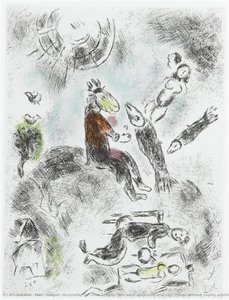
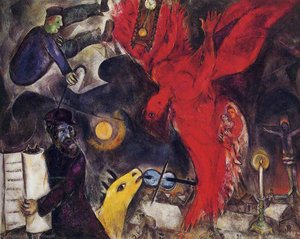
Marc Chagall's “Crucifixion,” painted in 1964, isn’t merely a depiction of a biblical scene; it’s an immersive experience—a vibrant collision of memory, faith, and the artist’s deeply personal vision. Executed as a lithograph on paper, this work transcends its medium, radiating with an almost palpable energy that draws the viewer into the heart of the drama. Chagall, a master of distilling profound emotion from simple forms, eschews photographic realism in favor of a powerfully symbolic language rooted in his Jewish heritage and the folklore of his childhood in Vitebsk, Belarus. The painting immediately arrests the eye with its bold colors—a striking contrast of deep blues and reds against a luminous white background—and its dynamic composition, where figures reach upwards towards an unseen divine presence.
To understand “Crucifixion,” it’s crucial to delve into Chagall's formative years in Vitebsk. The town, a melting pot of Russian Orthodox and Jewish cultures, profoundly shaped his artistic sensibility. He frequently depicted its landscapes—rolling fields, winding rivers, and the distinctive architecture—as symbols of memory and belonging. This painting is no exception; elements reminiscent of Vitebsk subtly permeate the composition, hinting at a deeper connection to Chagall’s past. The figures reaching upwards, for instance, recall the traditional Jewish custom of raising arms in prayer, while the ladder-like structure suggests a pathway towards spiritual ascension.
Symbolism:“Crucifixion” isn’t simply a religious painting; it's a meditation on suffering, hope, and the enduring power of faith. Chagall, who himself experienced profound loss and displacement throughout his life—including exile during World War II—infused this work with an intensely personal resonance. The painting speaks to universal themes of sacrifice, redemption, and the human condition, inviting viewers to contemplate their own beliefs and experiences. It’s a testament to Chagall's ability to transform deeply felt emotions into art that transcends time and culture. Its enduring appeal lies in its capacity to evoke both sorrow and serenity, reminding us of the complexities of faith and the beauty found within moments of profound human experience.
High-quality reproductions of “Crucifixion” are readily available through various art dealers and online platforms. For a deeper understanding of Chagall’s life and work, we recommend exploring the resources listed below:

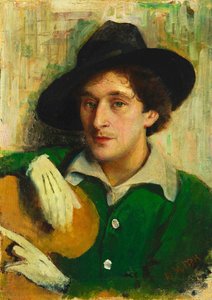
1887 - 1985 , Belorusija

Explore the profound history of Surrealist Expressionism. Discover how artists blended dream logic with raw emotion to navigate post-war trauma through masterful, evocative imagery and psychological depth.

Explore the profound artistry of black and white photography. From the chemistry of gelatin silver to the chiaroscuro of the Old Masters, discover how monochrome captures the eternal essence of light, form, and emotion for the discerning art collector.


Bodite na sešte, s najnovejšimi novicami iz sveta umetnosti, ekskluzivnimi ponudbami in idejami za dekoracijo.
Povejte nam o svojem projektu in naši strokovnjaki za umetnost vam bodo pripravili 3 prilagojene predloge umetniških del.
Naj vam izberemo 3 možnosti – popolnoma brezplačno!


 Predogled
 Pošlji
 Deli
Deli
 Podrobnosti o delu

 Prenesi
 Podobni izdelki
 Rentgenski posnetek
 Predvajaj diaporama
 Razviljaj več







 Možnost stekla je na voljo le za velikosti pod 110 cm