x

Ročno slikano olje na platnu v vaši izbiri velikosti in okvirja, izdelano po naročilu naših umetnikov. ( Kupi tisk Kupi digitalno sliko)
Izberite eno od naših vnaprej določenih velikosti, ki ustrezajo prvotnim proporcijam umetničkega dela.

Svoje dimenzije lahko vnesete tako, da se prilagodite določenemu okvirju ali prostoru. Če izbrana velikost ne ustreza razmerjem originalne slike, bomo umetniško delo obrezali ali sliko dopolnili z dodatnimi ročno naslikanimi elementi. Pred začetkom proizvodnje vam bo poslan digitalni osnutek v odobritev.
Upoštevajte, da predogled na zaslonu ne odraža dejanskega obrezovanja ali podaljšanja. Le osnutek bo natančno prikazal končno kompozicijo.
Čeprav so na voljo velikosti po meri, priporočamo izbiro dimenzije s preddefiniranega seznama, da ohranimo originalne razmere.
Svetska dostava () za 3/4 nedelje umesto uobičajenih 5 nedelja. (13 avgust). Bez kompromisa po pitanju kvaliteta.


Torture-morte
Velikost reprodukcije
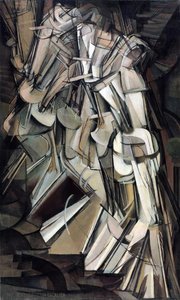
Marcel Duchamp’s Torture-morte (1917) is not merely a photograph; it’s an unsettling meditation on mortality, decay, and the very definition of art itself. Captured by Man Ray, this stark black and white image depicts a human foot, meticulously arranged within a box, swarming with insects – primarily ants, but also beetles and other unidentified arthropods. The scene is brutally honest, devoid of romanticism or idealized beauty, presenting instead a visceral confrontation with the inevitability of decomposition. This seemingly simple composition immediately challenges the viewer’s expectations, forcing an uncomfortable engagement with themes of death, corruption, and the transient nature of existence.
Created during Duchamp's time within the Dada movement, Torture-morte embodies the group’s core tenets: a rejection of traditional artistic values and a deliberate provocation of societal norms. Dada artists sought to dismantle established hierarchies and expose the absurdity of bourgeois culture. Duchamp, along with Man Ray, embraced chance and accident as creative tools, often photographing seemingly random occurrences. This photograph exemplifies this approach; it’s not a carefully constructed still life intended to represent something beautiful or meaningful, but rather an accidental discovery transformed into a potent artistic statement. The image's genesis is shrouded in anecdote – Man Ray reportedly snapped the picture while attempting to capture a cockroach, and the foot was purportedly that of Duchamp himself. This element of chance adds another layer of complexity to the work’s meaning.
The technical execution is deceptively simple yet profoundly effective. Man Ray utilized a relatively primitive camera at the time, resulting in a sharp, almost clinical image that amplifies the horror of the scene. The stark contrast between the pale flesh of the foot and the dark shadows within the box creates a dramatic tension, drawing the viewer’s eye to the overwhelming presence of the insects. The composition itself is deliberately unsettling; the foot, presented in an unnatural state, becomes a symbol of vulnerability and decay. The arrangement of the insects – their deliberate clustering around the foot – suggests a relentless process of consumption, mirroring the destructive forces of time.
Beyond its Dadaist origins, Torture-morte resonates with deeper symbolic meanings. The foot, as a symbol of mortality and earthly existence, is subjected to the ravages of nature – represented by the insects. This imagery evokes a sense of anxiety and dread, confronting viewers with their own vulnerability and the ultimate fate of all living things. The title itself, “Torture-morte,” further intensifies this emotional impact, suggesting a prolonged and agonizing process of decay. The photograph’s power lies in its ability to bypass rational thought and tap into primal fears, making it a profoundly disturbing yet undeniably captivating work of art.
Most-Famous-Paintings offers a meticulously crafted hand-painted reproduction of Torture-morte, capturing every detail of Man Ray’s original photograph with exceptional fidelity. Utilizing archival quality materials and employing skilled artists who understand Duchamp's intent, this reproduction ensures that you possess an authentic representation of this iconic work. Perfect for collectors seeking a piece of Dadaist history or interior designers aiming to inject a dose of provocative beauty into their spaces, this reproduction is more than just an image; it’s an experience – a frozen moment of decay that continues to challenge and disturb us over a century later.


1887 - 1968 , Francija

Oživite svoje spomine z ročno naslikanimi reprodukcijami pri Most-Famous-Paintings! Ustvarite večno dediščino s prilagojenimi portreti in umetnostjo. Visoka kakovost, transparenten proces & 100% garancija zadovoljstva.

Find serenity with 10 minimalist masterpieces! Explore Agnes Martin, Rothko & more. Discover the stories behind iconic abstract art, neutral palettes & calming designs. Museum-quality reproductions at Most-Famous-Paintings.com – elevate your home decor today!

Explore the revolutionary Dada art movement! Discover its origins, key artists like Duchamp & Arp, and lasting impact on modern art. A deep dive into anti-art & challenging conventions.

Journey through 10 legendary etching masterpieces by Rembrandt, Dürer & Goya. Explore the history of printmaking and discover timeless art for your home. Find museum-quality reproductions at Most-Famous-Paintings.com.

Find peace with 10 serene masterpieces! Explore calming landscapes by Monet & Van Gogh, tranquil Japanese art like Hokusai’s Great Wave, and more. Discover the stories behind these iconic paintings & bring museum-quality art to your home with . Explore the full collection online.


Bodite na sešte, s najnovejšimi novicami iz sveta umetnosti, ekskluzivnimi ponudbami in idejami za dekoracijo.
Povejte nam o svojem projektu in naši strokovnjaki za umetnost vam bodo pripravili 3 prilagojene predloge umetniških del.
Naj vam izberemo 3 možnosti – popolnoma brezplačno!


 Pošlji
 Deli
Deli
 Podrobnosti o delu

 Prenesi
 Podobni izdelki
 Predvajaj diaporama

 Razviljaj več




































 Možnost stekla je na voljo le za velikosti pod 110 cm