x


Ročno slikano olje na platnu v vaši izbiri velikosti in okvirja, izdelano po naročilu naših umetnikov. ( Switch to Print Switch to Image)





























Izberite eno od naših vnaprej določenih velikosti, ki ustrezajo prvotnim proporcijam umetničkega dela.

Svoje dimenzije lahko vnesete tako, da se prilagodite določenemu okvirju ali prostoru. Če izbrana velikost ne ustreza razmerjem originalne slike, bomo umetniško delo obrezali ali sliko dopolnili z dodatnimi ročno naslikanimi elementi. Pred začetkom proizvodnje vam bo poslan digitalni osnutek v odobritev.
Upoštevajte, da predogled na zaslonu ne odraža dejanskega obrezovanja ali podaljšanja. Le osnutek bo natančno prikazal končno kompozicijo.
Čeprav so na voljo velikosti po meri, priporočamo izbiro dimenzije s preddefiniranega seznama, da ohranimo originalne razmere.
Svetska dostava () za 3/4 nedelje umesto uobičajenih 5 nedelja. (30 julij). Bez kompromisa po pitanju kvaliteta.


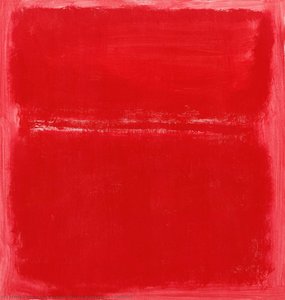
Untitled 76
Velikost reprodukcije
Mark Rothko (1903 – 1970), born Markus Yakovlevich Rothkowitz in Dvinsk, Latvia, stands as one of the most influential figures in Abstract Expressionism. His artistic life began amidst considerable hardship—the anxieties surrounding his family’s Jewish heritage within the Pale of Settlement and the trauma of losing his father during immigration to Portland, Oregon—experiences that instilled a profound empathy for human suffering and shaped his unwavering commitment to exploring existential questions.
His signature style involved layering rectangles of saturated hues – predominantly crimson, orange, yellow, and blue – onto canvases of monumental scale. These blocks of color weren’t merely decorative; they were meticulously crafted to evoke profound emotional responses in the viewer. Rothko believed that color itself possessed inherent expressive power, capable of conveying feelings without resorting to explicit depiction.
The symbolism embedded within Rothko’s paintings is deliberately ambiguous. Critics have interpreted his works as meditations on spirituality, grief, and the sublime—representations of inner landscapes rather than external realities. The rectangles themselves can be seen as symbols of containment and illumination, encapsulating vastness while simultaneously radiating warmth and serenity. Ultimately, Rothko sought to create art that resonated with viewers on a visceral level, prompting contemplation and fostering a connection to something beyond oneself.
“Color is my passion,” Rothko declared repeatedly throughout his career. “It’s the most direct route to the human soul.” His legacy continues to inspire artists and collectors alike—a testament to the enduring power of art to communicate emotion, provoke thought, and illuminate the mysteries of existence.
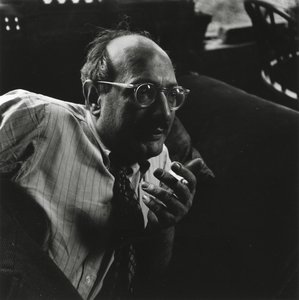
1903 - 1970 , Latvija

Explore the captivating world of Color Field painting! Discover its origins, key artists like Rothko & Newman, philosophical depth, and lasting influence on modern art. Expert insights for collectors.

Explore the profound emotional depth of Mark Rothko's abstract expressionism. Discover the history, techniques & lasting impact of this pivotal Color Field painter. Expert insights for collectors and art enthusiasts.

Explore the vibrant world of Gene Davis and the Washington Color School. Discover his iconic stripe paintings, innovative techniques, and lasting impact on American abstract art. A deep dive for collectors & enthusiasts.

Explore the groundbreaking abstract expressionism of Morris Louis, a pioneer of Color Field painting. Discover his innovative techniques, influential series & lasting legacy in post-war American art. Learn more at Most-Famous-Paintings.

Explore the profound world of Color Field painting with Most-Famous-Paintings. Discover key artists like Rothko & Newman, its philosophical roots, and lasting impact on modern art. Expert insights for collectors.


Bodite na sešte, s najnovejšimi novicami iz sveta umetnosti, ekskluzivnimi ponudbami in idejami za dekoracijo.
Povejte nam o svojem projektu in naši strokovnjaki za umetnost vam bodo pripravili 3 prilagojene predloge umetniških del.
Naj vam izberemo 3 možnosti – popolnoma brezplačno!


 Preview
 Pošlji
 Deli
Deli
 Podrobnosti o delu

 Prenesi
 Podobni izdelki
 Rentgenski posnetek
 Predvajaj diaporama
 Razviljaj več







 Možnost stekla je na voljo le za velikosti pod 110 cm