


x

 12.0 x 8.0 cm
 Hammer Museum
Kupite digitalno sliko visoke ločljivosti z izboljšano kakovostjo, ki je precej boljša od spletnega predogleda.
Vsaka datoteka je pod natančnim nadzorom naših strokovnjakov, ki uporabljajo napredna orodja in strokovno ročno obdelavo. Zagotovimo, da ima vsaka slika izjemno jasnost, natančnost barv in fine podrobnosti.
Končna datoteka je po e-pošti dostavljena v 72 urah, optimizirana za takojšnjo uporabo v profesionalnem, uredniškem in tiskarskem okolju. To je kakovost, ki ji zaupajo vrhunska oblikovalna studia, založniki in galerije.
Prenesite datoteko visoke ločljivosti za osebno uporabo, tiskanje in kreativne projekte. ( Kupi tisk Kupi ročno naslikano sliko)
Ko izberete Most-Famous-Paintings.com, ne prejmete le slike – prejmete digitalno umetniško delo, ki je profesionalno urejeno, izdelano z natančnostostjo in zavestno zagotovljeno z garancijo za zadovoljstvo. Tukaj je vse, kar samodejno prejmete z vašim naročilom:

Vaša digitalna slika visoke ločljivosti bo na vaš e-naslov poslana v roku 72 ur od zaklopa naročila – pripravljena za takojšnjo uporabo.

Vaše umetniško delo je strokovno optimizirano z uporabo naprednih orodij umetne inteligence in ročne obdelave, kar zagotavlja največjo stopnjo podrobnosti, jasnosti in barvne natančnosti.

Ste zaradi nespremietne napake izgubili ali izbrisali svojo datoteko? Ni težav – vam jo bomo ponovno poslali kadar koli in brezplačno.

Uživajte v svojem umetniškem delu takoj, brez carin, davkov ali stroškov dostave – digitalni prenosi so vedno brezdavčni.

Z uporabo profesionalnih orodij in upravljanja barv zagotavljamo, da vaša digitalna slika čim bolj natančno odraža prvotne barve.

Če niste zadovoljni s svojo digitalno sliko, jo bomo uredili ali vam v 60 dneh povrnili 100% denarja – brez kakršnih koli vprašanj.

Niste zadovoljni? Zagovрите popoln povračilo sredstev v 60 dneh po prejemu digitalne datoteke – brez kakršnih koli vprašanj.

Kupite 3 slike, prihranite 10% - Kupite 5 slik, prihranite 15% - Kupite 10+ slik, prihranite 20%. Odlično za kreativne projekte, galerije in agencije.

Born in Memmingen, Bavaria, in 1885, Max Unold emerged as a pivotal figure within the burgeoning landscape of early 20th-century German art. His career spanned several decades, marked by a dedication to capturing the gritty realities of urban life and a profound engagement with the philosophical currents of his time. While often categorized within the “New Objectivity” movement – a reaction against the prevailing sentimentality of Expressionism – Unold’s work possessed a unique strength, rooted in meticulous observation and a strikingly direct approach to depicting the social fabric of Germany.
Unold's artistic journey began with formal training at the Moritz Heymann art school in 1906, followed by studies at the Munich Academy under Hugo von Habermann. This early exposure to academic traditions provided a solid foundation, but it was his involvement with the “Münchener Neue Secession” – a group of artists seeking to break from established norms and explore new modes of representation – that truly shaped his artistic vision. This association proved particularly significant during the turbulent years leading up to and including World War I, forcing the group to dissolve under the pressures of the Nazi regime. Unold’s experience as its last president instilled in him a deep awareness of social injustice and the fragility of artistic freedom.
Unold's distinctive style is immediately recognizable through his masterful use of woodcuts, lithographs, and engravings. He eschewed romanticized depictions in favor of stark realism, focusing on the often-unpleasant aspects of urban existence – poverty, conflict, and social alienation. His compositions are typically dynamic, filled with movement and a palpable sense of tension. Bold lines, dramatic shadows, and a limited color palette contribute to an atmosphere of immediacy and emotional intensity.
A key element of his technique was his meticulous attention to detail. He studied the faces of ordinary people – laborers, street vendors, and marginalized figures – with an almost photographic precision, capturing their weariness, resilience, and quiet dignity. His depictions of crowded marketplaces, bustling streets, and dimly lit taverns are not merely illustrations; they are powerful social commentaries, offering a glimpse into the lives of those often overlooked by mainstream society. The influence of late 19th-century printmaking is evident in his compositions, particularly in their use of cross-hatching and tonal variations to create depth and texture.
Unold’s work consistently grappled with the social and political realities of his time. The rise of industrialization, urbanization, and class inequality were central themes in his oeuvre. He frequently depicted scenes of poverty, unemployment, and social unrest, implicitly critiquing the injustices inherent in a rapidly changing society. His images are not overtly propagandistic, but they subtly expose the human cost of modernity – the alienation, hardship, and disillusionment experienced by many.
Furthermore, Unold’s art reflects a broader engagement with philosophical ideas prevalent during this period. The influence of thinkers like Nietzsche and Bergson is discernible in his exploration of subjectivity, perception, and the fragmented nature of modern experience. He sought to capture not just what he *saw*, but also how he *felt* about what he saw – a deeply personal response to the world around him.
Despite facing censorship and persecution during the Nazi era, Max Unold continued to produce significant work throughout his career. His commitment to social realism and his unflinching portrayal of urban life cemented his place as one of the most important exponents of the New Objectivity movement in Germany. His art remains a powerful testament to the enduring relevance of social commentary and a poignant reflection on the challenges of modernity.
Today, Unold’s work is exhibited widely and studied by scholars of German art history. His images continue to resonate with audiences, offering a compelling window into the past and prompting us to consider the complexities of contemporary society. His legacy lies not only in his artistic skill but also in his unwavering dedication to truth and social justice.
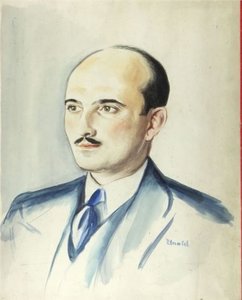
1885 - 1964 , Germany


Bodite na sešte, s najnovejšimi novicami iz sveta umetnosti, ekskluzivnimi ponudbami in idejami za dekoracijo.
Povejte nam o svojem projektu in naši strokovnjaki za umetnost vam bodo pripravili 3 prilagojene predloge umetniških del.
Naj vam izberemo 3 možnosti – popolnoma brezplačno!


 Predogled
 Pošlji
 Deli
Deli
 Podrobnosti o delu

 Prenesi
 Podobni izdelki
 Rentgenski posnetek
 Predvajaj diaporama
 Razviljaj več


