x


 Naročite reprodukcijo Kupi digitalno sliko
 Pošlji
 Podrobnosti o delu
 Dodaj v priljubljene
 Prenesi
 Podobni izdelki
 Rentgenski posnetek
 Predvajaj diaporama
 Acrylic On CanvasWallArtEarly Netherlandish Painting
 1485
1485 191.0 x 84.0 cm
 Staatsgalerie
Giclée ali platnati odtis muzejske kakovosti z hitro proizvodnjo in prilagodljivimi možnostmi končne obdelave.





























Izberite eno od naših vnaprej določenih velikosti, ki ustrezajo prvotnim proporcijam umetničkega dela.

Svoje dimenzije lahko vnesete sami, da bodo ustrezne za določen okvir ali prostor. Če izbrana velikost ne bo skladna z razmerji izvirne slike, bomo umetniško delo orezali ali podaljšali s pomočjo ogledalnega odraza ali barvno polnega roba. Pred začetkom proizvodnje vam bomo poslali digitalni predogled za potrditev.
Upoštevajte, da predogled na zaslonu ne prikazuje dejanskega orezovanja ali podaljševanja. Le digitalni predogled bo natančno prikazal končno kompozicijo.
Čeprav so na voljo prilagojene velikosti, priporočamo izbiro dimenzije s predhodno določenega seznama, da ohranite prvotna razmerja.
Globalna dostava () v 2 tednih namesto standardnih 4/5 tednov. (23 julij)


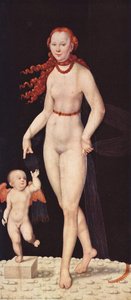
Bathsheba
Velikost reprodukcije
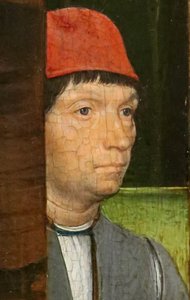
Hans Memling’s “Bathsheba,” completed around 1485 in Bruges, Belgium, stands as a cornerstone of Early Netherlandish painting—a movement renowned for its meticulous realism, profound psychological insight, and unwavering devotion to religious iconography. More than just a depiction of a biblical scene, the artwork embodies the humanist spirit burgeoning during the Renaissance, skillfully blending observation of human anatomy with symbolic representation to convey a complex tapestry of emotion.
Subject Matter & Narrative Context: The painting portrays Bathsheba, wife of King David, bathing in a luxurious bedchamber. This intimate tableau captures a moment of vulnerability and grace—Bathsheba kneels before her husband, accepting a robe from a maidservant. The narrative draws upon the biblical tale recounted in Psalm 27:13-14, where David confesses his sins to Bathsheba and seeks forgiveness for his transgression against Uriah the Hittite.
Style & Technique: Memling’s masterful execution exemplifies the stylistic hallmarks of Bruges painting. Employing oil paint on panel—a technique pioneered by Jan van Eyck—Memling achieved unparalleled luminosity and textural detail. The artist meticulously rendered skin tones, drapery folds, and subtle nuances of light and shadow, creating an illusionistic depth that transcends mere representation. His meticulous attention to anatomical accuracy reflects the influence of humanist scholarship prevalent at the time.
Symbolism & Emotional Impact: Beyond its narrative content, “Bathsheba” is laden with symbolic significance. The bedchamber itself represents domestic tranquility and marital harmony—a deliberate contrast to David’s moral failings. The maidservant symbolizes purity and humility, offering Bathsheba comfort and support as she seeks divine grace. Memling's use of chiaroscuro – the dramatic interplay between light and dark – amplifies the emotional resonance of the scene, conveying a palpable sense of tenderness and spiritual contemplation.
Influence & Legacy: “Bathsheba”’s impact on subsequent artists is undeniable. Its meticulous realism and expressive handling of emotion served as inspiration for generations of painters striving to capture the human condition with unwavering fidelity. The artwork continues to captivate viewers today, prompting reflection on themes of repentance, forgiveness, and the enduring power of faith—a testament to Memling's genius and the enduring beauty of Early Netherlandish art.
Additional Resources: For a deeper understanding of Bathsheba’s artistic context and Memling’s oeuvre, we encourage you to explore:

Nemčija

Journey into the world of Early Netherlandish painting! Explore 10 masterpieces by Jan van Eyck, Rogier van der Weyden & more. Discover stunning detail, symbolism & Renaissance art for your home decor. Find museum-quality reproductions on Most-Famous-Paintings.com

Odkrijte 25 ikoničnih umetnin Metropolitanskega muzeja v New Yorku! Preberite zgodbe Van Gogha, Moneta in drugih mojstrov. Reprodukcije slik za vaš dom – ekskluzivno na Most-Famous-Paintings.com.
Odkrijte 25 mojstrovskih del Henrija Matissea! Preučite fauvizem, barvite kompozicije in zgodbe za ikoničnimi slikami. Najdite popolno umetniško reprodukcijo za vaš dom na Most-Famous-Paintings.com.

Odkrijte 25 mojstrovskih del Jamesa Abbotta McNeilla Whistlerja! Preučite zgodbe, tehnike in navdih za njegove ikonične nocturne, portrete in dela estetizma. Najboljše reprodukcije slik online na Most-Famous-Paintings.com – umetnost za vaš dom.
Odkrijte 25 ikoničnih del Narodne Galerije Washingtona! Cézanne, Matisse, Picasso in drugi slikarji. Zgodbe umetnosti, tehnike ter navdih za dekoracijo doma z reprodukcijami vrhunske kakovosti na Most-Famous-Paintings.com.


Bodite na sešte, s najnovejšimi novicami iz sveta umetnosti, ekskluzivnimi ponudbami in idejami za dekoracijo.
Povejte nam o svojem projektu in naši strokovnjaki za umetnost vam bodo pripravili 3 prilagojene predloge umetniških del.
Naj vam izberemo 3 možnosti – popolnoma brezplačno!


 Deli
Deli

 Razviljaj več







 Možnost stekla je na voljo le za velikosti pod 110 cm