x


 Oil On CanvasWallArtSurrealism
 1937Modern
 46.0 x 55.0 cm
Ročno slikano olje na platnu v vaši izbiri velikosti in okvirja, izdelano po naročilu naših umetnikov. ( Switch to Print Preklop na sliko)





























Izberite eno od naših vnaprej določenih velikosti, ki ustrezajo prvotnim proporcijam umetničkega dela.

Svoje dimenzije lahko vnesete tako, da se prilagodite določenemu okvirju ali prostoru. Če izbrana velikost ne ustreza razmerjem originalne slike, bomo umetniško delo obrezali ali sliko dopolnili z dodatnimi ročno naslikanimi elementi. Pred začetkom proizvodnje vam bo poslan digitalni osnutek v odobritev.
Upoštevajte, da predogled na zaslonu ne odraža dejanskega obrezovanja ali podaljšanja. Le osnutek bo natančno prikazal končno kompozicijo.
Čeprav so na voljo velikosti po meri, priporočamo izbiro dimenzije s preddefiniranega seznama, da ohranimo originalne razmere.
Svetska dostava () za 3/4 nedelje umesto uobičajenih 5 nedelja. (31 julij). Bez kompromisa po pitanju kvaliteta.


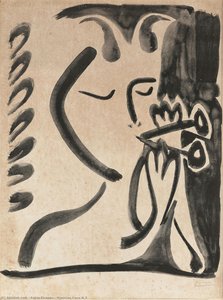
Minotaur is wounded
Velikost reprodukcije
Pablo Picasso's "Minotaur is Wounded," painted in 1937, stands as a cornerstone of Surrealist art—a testament to the movement’s audacious ambition to fuse the subconscious with reality. More than just an image, it’s a carefully constructed narrative that wrestles with themes of power, pain, and the inescapable fragility inherent within strength. Executed in oil on canvas measuring 46 x 55 cm, this artwork immediately captivates viewers with its unsettling juxtaposition of figures and landscapes—a hallmark of Picasso's distinctive vision.
Born in Málaga, Spain, Pablo Ruiz y Picasso (1881-1973) emerged as a revolutionary force in the art world. Influenced by Nietzsche’s philosophy and captivated by Freud's psychoanalytic theories, Surrealism sought to liberate artistic expression from rational constraints. Artists like Picasso deliberately disrupted conventional perspectives, inviting audiences into realms of dreamlike imagery and irrational association—a deliberate challenge to accepted notions of truth.
The painting depicts a woman seated in a boat alongside two other women, creating an atmosphere of palpable tension. The central figure is nude, embodying vulnerability against the backdrop of turbulent waters and scattered boats—a deliberate echo of classical mythology. A third woman appears partially obscured, adding to the enigmatic quality of the scene. Picasso’s masterful use of Cubist techniques—fragmentation, multiple viewpoints—further enhances this sense of disorientation, mirroring the fractured psyche explored by Surrealists.
Picasso's fascination with Greek mythology is evident throughout his oeuvre, and “Minotaur is Wounded” centers on this iconic beast. Traditionally representing primal aggression and inescapable doom, the Minotaur embodies both destructive force and profound vulnerability—a duality that Picasso skillfully portrays. By depicting it as wounded, he subtly interrogates the notion of invincibility, suggesting that even the most formidable figures are susceptible to suffering.
"Minotaur is Wounded" transcends mere visual depiction; it’s an emotional journey into the subconscious. Picasso's expressive brushstrokes convey a palpable sense of unease and sorrow, mirroring the anxieties of his time—a period marked by political turmoil and impending war. The painting compels viewers to confront uncomfortable truths about human nature and the inescapable presence of pain—leaving an indelible impression on anyone who contemplates its unsettling beauty.


1881 - 1973 , Španija

Odkrijte 25 ikoničnih del Pabla Picassa! Preberite zgodbe za slikami, kubizmom in njegovim mojstrovinskimi tehnikami. Najdite navdih za dom z umetniškimi reprodukcijami vrhunske kakovosti na Most-Famous-Paintings.com.
Odkrijte 25 mojstrovin René Magritta – ikonične slike surrealizma, polne sanjskih vizij in simbolizma. Umetniški tisk vrhunske kakovosti za vaš dom! Kupite reprodukcije slik na Most-Famous-Paintings.com

Odkrijte 25 ikoničnih umetnin Metropolitanskega muzeja v New Yorku! Preberite zgodbe Van Gogha, Moneta in drugih mojstrov. Reprodukcije slik za vaš dom – ekskluzivno na Most-Famous-Paintings.com.
Odkrijte 25 ikoničnih del Narodne Galerije Washingtona! Cézanne, Matisse, Picasso in drugi slikarji. Zgodbe umetnosti, tehnike ter navdih za dekoracijo doma z reprodukcijami vrhunske kakovosti na Most-Famous-Paintings.com.

Odkrijte 25 ikoničnih del MoMA! Preberite zgodbe Van Gogha, Picassa, Warhola in drugih mojstrov. Reprodukcije slik za vaš dom – sodobna umetnost, ekspresionizem, kubizem & več. Raziščite celotno zbirko na Most-Famous-Paintings.com


Bodite na sešte, s najnovejšimi novicami iz sveta umetnosti, ekskluzivnimi ponudbami in idejami za dekoracijo.
Povejte nam o svojem projektu in naši strokovnjaki za umetnost vam bodo pripravili 3 prilagojene predloge umetniških del.
Naj vam izberemo 3 možnosti – popolnoma brezplačno!


 Predogled
 Pošlji
 Deli
Deli
 Podrobnosti o delu

 Prenesi
 Podobni izdelki
 Rentgenski posnetek
 Predvajaj diaporama
 Razviljaj več







 Možnost stekla je na voljo le za velikosti pod 110 cm