x


 Naročite reprodukcijo Kupi digitalno sliko
 Pošlji
 Podrobnosti o delu
 Dodaj v priljubljene
 Prenesi
 Podobni izdelki
 Rentgenski posnetek
 Predvajaj diaporama
 Olje na platnuStenska umetnostPost-Impressionism
 189019. stoletje
 21.0 x 20.0 cm
Giclée ali platnati odtis muzejske kakovosti z hitro proizvodnjo in prilagodljivimi možnostmi končne obdelave.





























Izberite eno od naših vnaprej določenih velikosti, ki ustrezajo prvotnim proporcijam umetničkega dela.

Svoje dimenzije lahko vnesete sami, da bodo ustrezne za določen okvir ali prostor. Če izbrana velikost ne bo skladna z razmerji izvirne slike, bomo umetniško delo orezali ali podaljšali s pomočjo ogledalnega odraza ali barvno polnega roba. Pred začetkom proizvodnje vam bomo poslali digitalni predogled za potrditev.
Upoštevajte, da predogled na zaslonu ne prikazuje dejanskega orezovanja ali podaljševanja. Le digitalni predogled bo natančno prikazal končno kompozicijo.
Čeprav so na voljo prilagojene velikosti, priporočamo izbiro dimenzije s predhodno določenega seznama, da ohranite prvotna razmerja.
Globalna dostava () v 2 tednih namesto standardnih 4/5 tednov. (21 julij)


Bathsheba
Velikost reprodukcije
Paul Cézanne’s “Bathsheba,” painted in 1890, isn't merely a depiction of two women; it’s a profound exploration of human connection, observation, and the very essence of seeing. Emerging from the vibrant yet increasingly analytical currents of Post-Impressionism, Cézanne sought to move beyond simply capturing a fleeting moment of light – a hallmark of his predecessor, Monet – and instead delve into the underlying structure and emotional weight of what he observed. This painting, now residing in private collections worldwide, offers an intimate glimpse into Cézanne’s revolutionary artistic vision, one that would profoundly influence the course of modern art.
The scene unfolds with a quiet grace: two women seated together before a solitary tree, bathed in the soft, diffused light of an afternoon. The woman on the left is rendered with remarkable naturalism – her nudity not presented as a provocative display but rather as a deliberate choice that invites contemplation about vulnerability and the inherent beauty of the human form. Her pose, relaxed yet alert, suggests a moment of quiet reflection or perhaps a shared observation. In contrast, the woman to her right wears a modest dress, creating a subtle visual dialogue between openness and restraint – a tension that adds depth and complexity to the composition. They are engaged in what appears to be a silent conversation, their gazes directed towards an unseen point beyond the canvas, inviting the viewer to participate in their unspoken exchange.
What truly distinguishes “Bathsheba” – and much of Cézanne's work – is his groundbreaking approach to painting itself. He deliberately rejected the Impressionist obsession with capturing fleeting moments of light and color, instead prioritizing structure and form above all else. Notice how he employs a technique known as "constructive strokes" – bold, deliberate lines that build up the image like a sculptor working with clay. These aren’t delicate brushstrokes; they are assertive marks that create a sense of solidity and permanence, transforming the figures and the tree into geometric forms—a crucial precursor to the radical experimentation of Cubism.
Cézanne wasn't simply painting what he *saw*; he was actively constructing his perception. He layered these strokes upon one another, creating a textured surface that seems to vibrate with energy. This technique isn’t just about representation; it’s about conveying the artist’s experience of seeing – his understanding of how objects exist in space and how they relate to each other. The simplified background, almost abstracted, further emphasizes the foreground subjects and their interaction, drawing our attention to the core of the composition.
The historical context surrounding “Bathsheba” is rich with symbolism, largely rooted in classical mythology. Cézanne was deeply influenced by the story of Bathsheba, the biblical queen who famously captivated King David – a tale often interpreted as one of profound intimacy and unspoken desire. While the painting doesn’t explicitly depict this narrative, it evokes a sense of timelessness and quiet dignity reminiscent of ancient depictions of female figures in repose. The inclusion of the bench and book adds another layer of meaning—suggesting a moment of respite, intellectual engagement, or perhaps simply shared companionship.
Subtle details further enrich the painting’s symbolism. The two birds perched above the woman on the right are not merely decorative elements; they hint at freedom, connection with nature, and perhaps even a sense of spiritual transcendence. These small touches elevate the scene beyond a simple portrait, transforming it into a meditation on human experience.
"Bathsheba" stands as a testament to Paul Cézanne’s extraordinary ability to imbue a seemingly simple scene with profound emotional resonance. It's a work that rewards careful observation, inviting viewers to contemplate not only the figures themselves but also the artist’s innovative techniques and his enduring legacy as a pioneer of modern art. Its quiet intimacy and masterful use of form continue to captivate audiences today, solidifying its place as one of Cézanne’s most compelling and influential paintings – a pivotal moment in the evolution of Western art.


1839 - 1906 , Francija
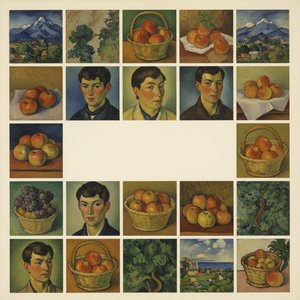
Odkrijte 25 mojstrovin Paula Cézanna – od impresionističnih krajin do revolucionarnih tihožitij. Preberite zgodbe za vsako sliko, tehnike in navdih. Kvalitetne reprodukcije slik na Most-Famous-Paintings.com!

Odkrijte 25 ikoničnih umetnin Metropolitanskega muzeja v New Yorku! Preberite zgodbe Van Gogha, Moneta in drugih mojstrov. Reprodukcije slik za vaš dom – ekskluzivno na Most-Famous-Paintings.com.
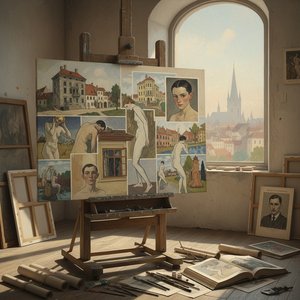
Odkrijte 25 mojstrovin Egona Schieleja – avstrijskega ekspresionista! Preberite zgodbe za vsako sliko, tehnike in simbolizem. Kvalitetne reprodukcije slik za vaš dom na Most-Famous-Paintings.com. Raziskajte celotno zbirko online!
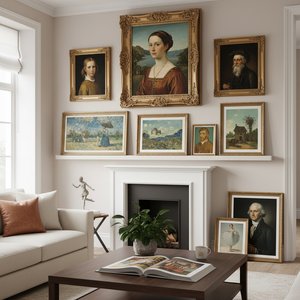
Odkrijte 25 ikoničnih del Narodne Galerije Washingtona! Cézanne, Matisse, Picasso in drugi slikarji. Zgodbe umetnosti, tehnike ter navdih za dekoracijo doma z reprodukcijami vrhunske kakovosti na Most-Famous-Paintings.com.
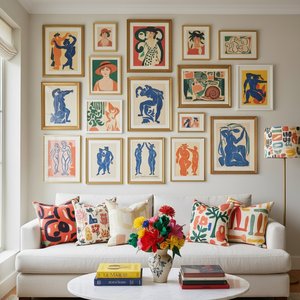
Odkrijte 25 mojstrovskih del Henrija Matissea! Preučite fauvizem, barvite kompozicije in zgodbe za ikoničnimi slikami. Najdite popolno umetniško reprodukcijo za vaš dom na Most-Famous-Paintings.com.


Bodite na sešte, s najnovejšimi novicami iz sveta umetnosti, ekskluzivnimi ponudbami in idejami za dekoracijo.
Povejte nam o svojem projektu in naši strokovnjaki za umetnost vam bodo pripravili 3 prilagojene predloge umetniških del.
Naj vam izberemo 3 možnosti – popolnoma brezplačno!


 Deli
Deli

 Razviljaj več







 Možnost stekla je na voljo le za velikosti pod 110 cm