x

Ročno slikano olje na platnu v vaši izbiri velikosti in okvirja, izdelano po naročilu naših umetnikov. ( Switch to Print Preklop na sliko)





























Izberite eno od naših vnaprej določenih velikosti, ki ustrezajo prvotnim proporcijam umetničkega dela.

Svoje dimenzije lahko vnesete tako, da se prilagodite določenemu okvirju ali prostoru. Če izbrana velikost ne ustreza razmerjem originalne slike, bomo umetniško delo obrezali ali sliko dopolnili z dodatnimi ročno naslikanimi elementi. Pred začetkom proizvodnje vam bo poslan digitalni osnutek v odobritev.
Upoštevajte, da predogled na zaslonu ne odraža dejanskega obrezovanja ali podaljšanja. Le osnutek bo natančno prikazal končno kompozicijo.
Čeprav so na voljo velikosti po meri, priporočamo izbiro dimenzije s preddefiniranega seznama, da ohranimo originalne razmere.
Svetska dostava () za 3/4 nedelje umesto uobičajenih 5 nedelja. (11 avgust). Bez kompromisa po pitanju kvaliteta.


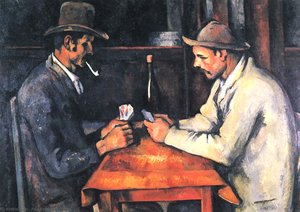
Smoker
Velikost reprodukcije
Paul Cézanne's "Smoker," painted in 1892, is more than just a portrait; it’s a carefully constructed meditation on stillness, observation, and the subtle language of human presence. Housed within the Staedtische Kunsthalle Mannheim, this unassuming scene—a man seated at a table, lost in thought with a pipe in hand—holds a remarkable depth that speaks to Cézanne's revolutionary approach to painting and his profound influence on modern art. The work isn’t about dramatic action or overt emotion; instead, it invites the viewer into a quiet space of contemplation, mirroring the subject’s own internal state.
Cézanne’s genius lay in his ability to distill the essence of reality, moving beyond mere representation to capture the underlying structure and feeling of an object or person. In “Smoker,” he achieves this through a masterful manipulation of form and color. The composition is deliberately simple—a table, a chair, a man, a pipe—yet Cézanne imbues each element with meticulous detail. Notice how he uses broken brushstrokes to build up the surfaces of the objects, creating a sense of texture and volume that defies traditional perspective. The muted palette – dominated by browns, ochres, and subtle greens – contributes to the painting’s overall atmosphere of quietude and introspection. The background figures, rendered with less detail, serve not as distractions but as anchors for the scene, grounding the viewer in a recognizable space while simultaneously hinting at an unseen world.
“Smoker” is a quintessential example of Cézanne’s Post-Impressionist style. He rejected the fleeting effects of light and color favored by Impressionists, instead focusing on solid forms and geometric structures. This can be seen in his treatment of the table, which isn't simply depicted as a flat surface but rather as a series of interlocking planes—a foundational element that anticipates Cubism’s deconstruction of form. Cézanne’s use of oil paint is equally innovative; he applied it in thick, tactile layers, building up the surfaces of his subjects with visible brushstrokes. This technique not only creates a rich texture but also emphasizes the physicality of the objects themselves, imbuing them with a sense of presence and weight.
The artist’s deliberate choice to depict the man's hand resting on his chin is particularly significant. It’s a gesture of quiet contemplation, suggesting a moment of deep thought or perhaps simply a pause in daily life. Cézanne wasn’t interested in capturing a specific likeness; he was striving to represent the *essence* of the subject—his inner state and the way he interacted with his environment. The subtle curve of the pipe, the slight furrow of the brow, all contribute to this sense of quiet intensity.
Painted during a period of rapid social and artistic change, “Smoker” reflects Cézanne’s growing dissatisfaction with academic art conventions. He was increasingly drawn to the work of Japanese prints, which influenced his use of flattened perspective and simplified forms. His exploration of color and form paved the way for later movements such as Fauvism and Cubism, demonstrating his pivotal role in shaping the course of modern art. Artists like Picasso and Matisse acknowledged Cézanne’s profound influence, recognizing him as a key figure in their own artistic development.
The painting's placement within the Staedtische Kunsthalle Mannheim underscores its importance to German art history. It stands alongside other masterpieces from the late 19th and early 20th centuries, offering viewers a glimpse into the evolving landscape of European art. Cézanne’s legacy extends far beyond this single work; his innovative techniques and profound insights continue to inspire artists today.
Most-Famous-Paintings.com offers meticulously crafted, hand-painted oil painting reproductions of Paul Cézanne's "Smoker," allowing you to experience the artist’s genius in stunning detail. Our skilled artisans replicate Cézanne’s broken brushstrokes and nuanced color palette with exceptional accuracy, capturing the essence of this iconic work. Available in a range of sizes and framed options, our reproductions are perfect for collectors, art enthusiasts, and anyone seeking to add a touch of timeless elegance to their home or office. Explore our selection today and bring the quiet contemplation of “Smoker” into your space.
For further information about Paul Cézanne and his artistic journey, we encourage you to visit Paul Cézanne’s Wikipedia page or browse our comprehensive resources on Most-Famous-Paintings.com, including detailed guides to the Staedtische Kunsthalle Mannheim and a selection of related artworks.


1839 - 1906 , Francija
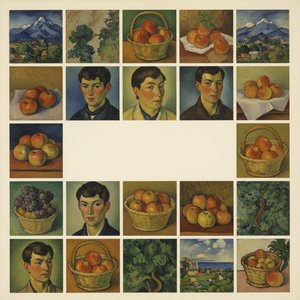
Odkrijte 25 mojstrovin Paula Cézanna – od impresionističnih krajin do revolucionarnih tihožitij. Preberite zgodbe za vsako sliko, tehnike in navdih. Kvalitetne reprodukcije slik na Most-Famous-Paintings.com!

Journey into the heart of Impressionism! Explore 10 masterpieces by Monet, Renoir & Degas that revolutionized landscape art. Discover their stories, techniques & find museum-quality reproductions to elevate your home decor on Most-Famous-Paintings.com.

Explore the profound emotional depth & innovative techniques of Post-Impressionism with Most-Famous-Paintings. Discover Cézanne, Van Gogh, Gauguin & more – and their lasting impact on modern art.
Journey through 10 breathtaking landscape paintings by Monet, Van Gogh & more! Explore iconic artworks, artistic techniques & find inspiration for your home decor. Museum-quality reproductions at Most-Famous-Paintings.com. Discover all masterpieces on Most-Famous-Paintings.com

Journey through Impressionism's heart with 10 iconic paintings by Monet, Renoir & Degas. Explore light, color & the stories behind these masterpieces. Find museum-quality art reproductions and elevate your home decor on Most-Famous-Paintings.com.


Bodite na sešte, s najnovejšimi novicami iz sveta umetnosti, ekskluzivnimi ponudbami in idejami za dekoracijo.
Povejte nam o svojem projektu in naši strokovnjaki za umetnost vam bodo pripravili 3 prilagojene predloge umetniških del.
Naj vam izberemo 3 možnosti – popolnoma brezplačno!


 Predogled
 Pošlji
 Deli
Deli
 Podrobnosti o delu

 Prenesi
 Podobni izdelki
 Rentgenski posnetek
 Predvajaj diaporama

 Razviljaj več







 Možnost stekla je na voljo le za velikosti pod 110 cm