x

Ročno slikano olje na platnu v vaši izbiri velikosti in okvirja, izdelano po naročilu naših umetnikov. ( Kupi tisk Kupi digitalno sliko)





























Izberite eno od naših vnaprej določenih velikosti, ki ustrezajo prvotnim proporcijam umetničkega dela.

Svoje dimenzije lahko vnesete tako, da se prilagodite določenemu okvirju ali prostoru. Če izbrana velikost ne ustreza razmerjem originalne slike, bomo umetniško delo obrezali ali sliko dopolnili z dodatnimi ročno naslikanimi elementi. Pred začetkom proizvodnje vam bo poslan digitalni osnutek v odobritev.
Upoštevajte, da predogled na zaslonu ne odraža dejanskega obrezovanja ali podaljšanja. Le osnutek bo natančno prikazal končno kompozicijo.
Čeprav so na voljo velikosti po meri, priporočamo izbiro dimenzije s preddefiniranega seznama, da ohranimo originalne razmere.
Svetska dostava () za 3/4 nedelje umesto uobičajenih 5 nedelja. (22 avgust). Bez kompromisa po pitanju kvaliteta.


La revue blanche
Velikost reprodukcije
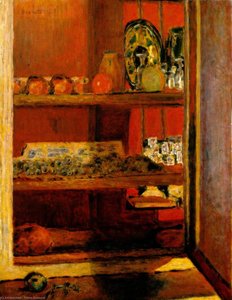
Pierre Bonnard's “La Revue blanche,” created in 1894, isn’t merely a depiction of two women; it’s an embodiment of the Nabis aesthetic—a deliberate rejection of academic formalism and a fervent embrace of sensory experience. Produced by Edward Ancourt for *La Revue blanche*, a Parisian periodical championing avant-garde literature and art, this lithograph exemplifies Bonnard's signature style: a masterful blend of muted hues and flattened perspective that seeks to distill the essence of everyday life.
Bonnard’s artistic sensibilities were profoundly shaped by Japonisme—the fascination with Japanese art and culture sweeping through Europe at the time. Like many Nabis artists, he drew inspiration from *ukiyo-e* prints, particularly their use of bold outlines and simplified forms to convey emotion and atmosphere. This influence is palpable in “La Revue blanche,” where Bonnard employs a similar technique to create a sense of stillness and contemplation amidst the bustling Parisian backdrop.
The choice of lithography as Bonnard’s primary print medium speaks volumes about his artistic philosophy. Lithography, unlike etching or engraving, allowed for multiple impressions from a single stone, making it accessible to a wider audience and aligning perfectly with the Nabis desire to democratize art. Furthermore, Bonnard skillfully exploited the capabilities of color lithography, achieving vibrant hues and nuanced tonal gradations that would have been impossible with traditional printmaking methods.
Beyond its formal innovations, “La Revue blanche” resonates with subtle symbolic undertones. The two women seated together—one holding a book, the other gazing intently—represent intellectual engagement and quiet contemplation within the domestic sphere. Bonnard’s deliberate use of color—primarily pale yellows and blues—creates an atmosphere of serenity and warmth, inviting viewers to immerse themselves in the beauty of ordinary moments.
“La Revue blanche” stands as a testament to Bonnard's enduring contribution to Post-Impressionism. His unwavering commitment to capturing light and color with unparalleled sensitivity continues to inspire artists and collectors alike. As evidenced by reproductions available at Most-Famous-Paintings.com, this iconic artwork remains accessible to anyone seeking to experience the profound emotional impact of Bonnard’s masterful vision.


1867 - 1947 , Francija

Discover Most-Famous-Paintings.com's premium art poster prints. Featuring 12-color archival pigments for vivid color fidelity and versatile sizing for bespoke decor. Expertly crafted museum-quality reproductions designed for discerning collectors and professional decorators.


Bodite na sešte, s najnovejšimi novicami iz sveta umetnosti, ekskluzivnimi ponudbami in idejami za dekoracijo.
Povejte nam o svojem projektu in naši strokovnjaki za umetnost vam bodo pripravili 3 prilagojene predloge umetniških del.
Naj vam izberemo 3 možnosti – popolnoma brezplačno!


 Predogled
 Pošlji
 Deli
Deli
 Podrobnosti o delu

 Prenesi
 Podobni izdelki
 Rentgenski posnetek
 Predvajaj diaporama

 Razviljaj več







 Možnost stekla je na voljo le za velikosti pod 110 cm