


x
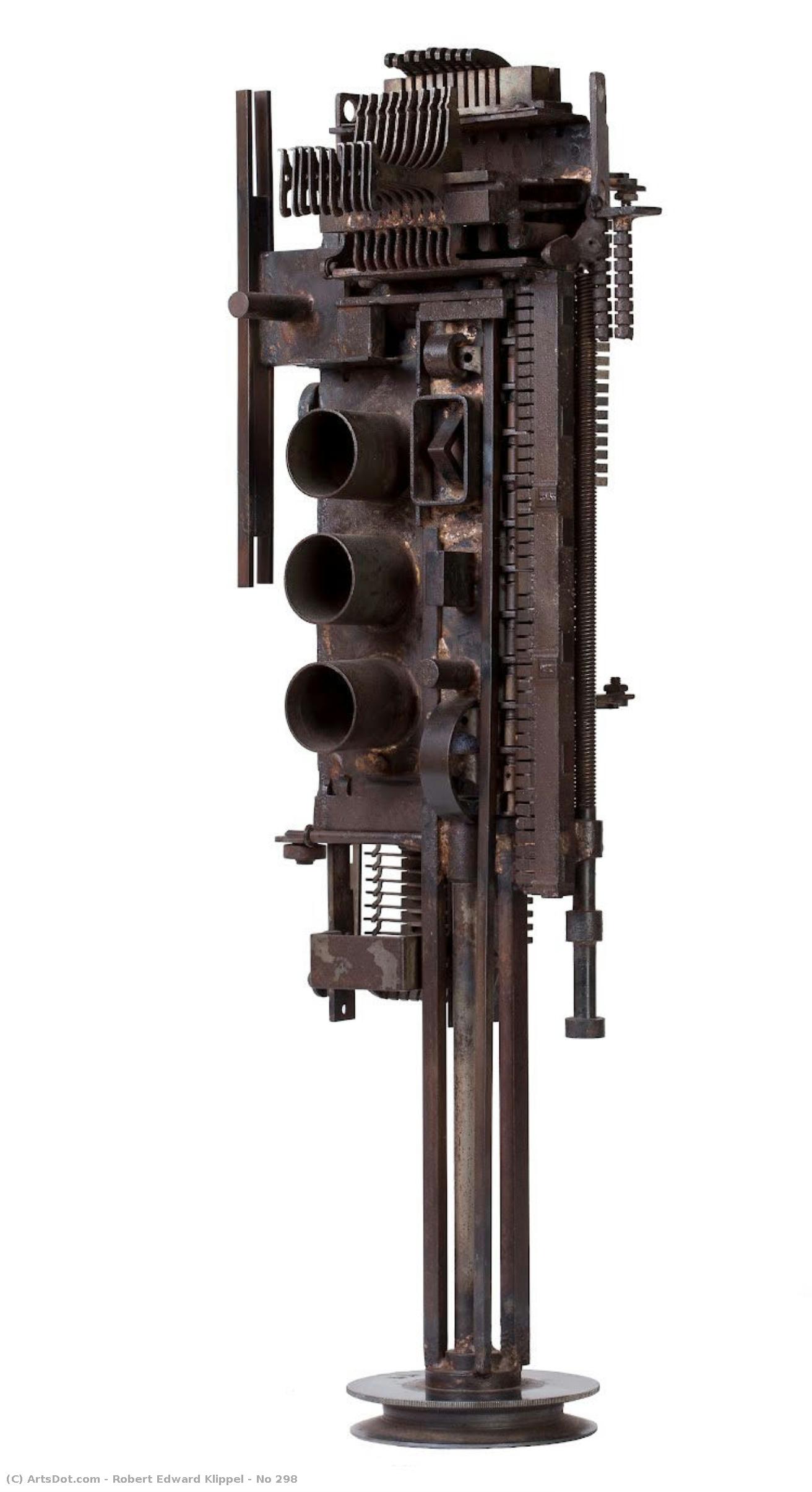
 1974
1974 48.0 x 17.0 cm
 Penrith Regional Gallery - Dom Lewersove zapuščine
Kupite digitalno sliko visoke ločljivosti z izboljšano kakovostjo, ki je precej boljša od spletnega predogleda.
Vsaka datoteka je pod natančnim nadzorom naših strokovnjakov, ki uporabljajo napredna orodja in strokovno ročno obdelavo. Zagotovimo, da ima vsaka slika izjemno jasnost, natančnost barv in fine podrobnosti.
Končna datoteka je po e-pošti dostavljena v 72 urah, optimizirana za takojšnjo uporabo v profesionalnem, uredniškem in tiskarskem okolju. To je kakovost, ki ji zaupajo vrhunska oblikovalna studia, založniki in galerije.
Prenesite datoteko visoke ločljivosti za osebno uporabo, tiskanje in kreativne projekte. ( Kupi tisk Kupi ročno naslikano sliko)
Ko izberete Most-Famous-Paintings.com, ne prejmete le slike – prejmete digitalno umetniško delo, ki je profesionalno urejeno, izdelano z natančnostostjo in zavestno zagotovljeno z garancijo za zadovoljstvo. Tukaj je vse, kar samodejno prejmete z vašim naročilom:

Vaša digitalna slika visoke ločljivosti bo na vaš e-naslov poslana v roku 72 ur od zaklopa naročila – pripravljena za takojšnjo uporabo.

Vaše umetniško delo je strokovno optimizirano z uporabo naprednih orodij umetne inteligence in ročne obdelave, kar zagotavlja največjo stopnjo podrobnosti, jasnosti in barvne natančnosti.

Ste zaradi nespremietne napake izgubili ali izbrisali svojo datoteko? Ni težav – vam jo bomo ponovno poslali kadar koli in brezplačno.

Uživajte v svojem umetniškem delu takoj, brez carin, davkov ali stroškov dostave – digitalni prenosi so vedno brezdavčni.

Z uporabo profesionalnih orodij in upravljanja barv zagotavljamo, da vaša digitalna slika čim bolj natančno odraža prvotne barve.

Če niste zadovoljni s svojo digitalno sliko, jo bomo uredili ali vam v 60 dneh povrnili 100% denarja – brez kakršnih koli vprašanj.

Niste zadovoljni? Zagovрите popoln povračilo sredstev v 60 dneh po prejemu digitalne datoteke – brez kakršnih koli vprašanj.

Kupite 3 slike, prihranite 10% - Kupite 5 slik, prihranite 15% - Kupite 10+ slik, prihranite 20%. Odlično za kreativne projekte, galerije in agencije.

Robert Klippel, born in Potts Point, Sydney, on June 19, 1920, possessed an innate inclination towards construction from a young age. This early fascination wasn’t rooted in formal artistic training but rather in the practical joy of making—specifically, building model ships. These weren't mere toys; they were meticulously crafted representations born from a childhood ferry ride on Sydney Harbour that sparked a lifelong passion for form and structure. This initial impulse would unexpectedly intertwine with his wartime experiences. Enlisting in the Royal Australian Navy in 1939, Klippel found himself employed not as a combatant but as a model-maker at the Naval Gunnery, tasked with creating miniature aircraft and ships for training purposes. This period honed his technical skills and instilled a deep understanding of spatial relationships—a foundation that would prove crucial to his later artistic endeavors.
Though he briefly enrolled in sculpture studies at East Sydney Technical College after the war, Klippel quickly found the constraints of traditional education stifling. He yearned for exploration beyond established norms, leading him to London in 1947 and then Paris, seeking immersion in the burgeoning modernist art scene. It was during these formative years that he encountered James Gleeson, a pivotal figure in Australian Surrealism, with whom he embarked on a significant collaborative carving—a work titled “Madame Sophie Sesostoris” (1947-48). This piece, brimming with pre-Raphaelite satire and surrealist undertones, marked an early foray into the complex interplay of organic and mechanical forms that would define his artistic trajectory.
Klippel’s time in Europe was transformative. He absorbed the ideas of Picasso and other modernist masters, engaging with the principles of constructionism while simultaneously delving into the subconscious realms explored by André Breton and the French Surrealists. Upon returning to Australia in 1950, he further refined his technical abilities through night courses in welding, silver soldering, and panel beating—skills that unlocked new possibilities for sculptural expression. He wasn’t simply adopting techniques; he was forging a unique visual language. His sculptures began to move away from figurative representation towards abstraction, driven by an ambition to synthesize the seemingly opposing forces of organic life and mechanical precision.
A sojourn in New York during the late 1950s proved equally influential. It was here that Klippel discovered the potent potential of “junk” materials—discarded metal objects imbued with a history and character of their own. These found elements weren’t merely repurposed; they were integrated into rigorously abstract assemblages, pulsating with an almost biological energy. He saw beauty in the discarded, finding within them the raw components for his vision of a dynamic interplay between nature and technology.
From 1963 until his death in 2001, Klippel resided permanently in Sydney, establishing a home and studio in Birchgrove where he worked with unwavering dedication. He maintained a remarkably prolific output, producing approximately 1,300 sculptures and an astonishing 5,000 drawings throughout his career. His association with the Watters Gallery—and its directors Frank Watters and Geoffrey Legge—was instrumental in showcasing his work to a wider audience.
Alongside his artistic practice, Klippel was a dedicated teacher, holding positions at various institutions including the National Art School. He didn’t seek to impose a specific style on his students but rather encouraged them to explore their own creative impulses and develop a personal visual vocabulary. His teaching philosophy mirrored his approach to art—a commitment to experimentation, innovation, and the pursuit of individual expression.
Robert Klippel is widely regarded as Australia’s greatest sculptor, a title earned through decades of consistent artistic exploration and an unwavering dedication to his unique vision. His sculptures are not merely objects; they are complex metaphors for the tensions and harmonies inherent in modern life—a synthesis of organic growth and mechanical structure. He was awarded an Order of Australia medal in 1988, recognizing his significant contribution to the nation’s cultural landscape.
His work transcends national boundaries, resonating with international audiences through its universal themes and innovative use of materials. Critics have drawn parallels between Klippel's sculptures and those of David Smith, acknowledging his place among the most important sculptors of the 20th century. Klippel’s legacy lies not only in the sheer volume and quality of his work but also in his ability to transform discarded objects into compelling statements about the human condition—a testament to the power of imagination and the enduring beauty found within the unexpected.

1920 - 2001 , Australia


Bodite na sešte, s najnovejšimi novicami iz sveta umetnosti, ekskluzivnimi ponudbami in idejami za dekoracijo.
Povejte nam o svojem projektu in naši strokovnjaki za umetnost vam bodo pripravili 3 prilagojene predloge umetniških del.
Naj vam izberemo 3 možnosti – popolnoma brezplačno!


 Predogled
 Pošlji
 Deli
Deli
 Podrobnosti o delu

 Prenesi
 Podobni izdelki
 Rentgenski posnetek
 Predvajaj diaporama
 Razviljaj več


