x

Ročno slikano olje na platnu v vaši izbiri velikosti in okvirja, izdelano po naročilu naših umetnikov. ( Kupi tisk Kupi digitalno sliko)





























Izberite eno od naših vnaprej določenih velikosti, ki ustrezajo prvotnim proporcijam umetničkega dela.

Svoje dimenzije lahko vnesete tako, da se prilagodite določenemu okvirju ali prostoru. Če izbrana velikost ne ustreza razmerjem originalne slike, bomo umetniško delo obrezali ali sliko dopolnili z dodatnimi ročno naslikanimi elementi. Pred začetkom proizvodnje vam bo poslan digitalni osnutek v odobritev.
Upoštevajte, da predogled na zaslonu ne odraža dejanskega obrezovanja ali podaljšanja. Le osnutek bo natančno prikazal končno kompozicijo.
Čeprav so na voljo velikosti po meri, priporočamo izbiro dimenzije s preddefiniranega seznama, da ohranimo originalne razmere.
Svetska dostava () za 3/4 nedelje umesto uobičajenih 5 nedelja. (19 avgust). Bez kompromisa po pitanju kvaliteta.


Standing Rib
Velikost reprodukcije
Roy Lichtenstein’s “Standing Rib,” created in 1962, is more than just a painting of meat; it’s a meticulously crafted statement about consumerism, mass culture, and the very nature of representation. This seemingly simple image – a raw beef rib presented on a stark white plate – embodies the core tenets of Lichtenstein's groundbreaking Pop Art style. The work immediately confronts the viewer with its bold, graphic execution, a deliberate departure from the traditional notions of artistic subject matter and technique that had dominated Western art for centuries.
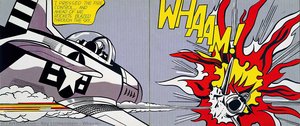
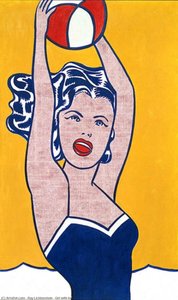
“Standing Rib” emerged during a pivotal moment in art history: the rise of Pop Art in the 1960s. This movement, spearheaded by artists like Lichtenstein, Andy Warhol, and Claes Oldenburg, reacted against Abstract Expressionism’s emphasis on individual emotion and subjective experience. Instead, Pop Art embraced imagery from popular culture – advertising, comic books, consumer products – reflecting the growing influence of mass media and the burgeoning American economy. The painting's subject matter directly engages with themes prevalent in American society at the time: abundance, consumption, and the idealized image of the ‘American’ meal.
Lichtenstein’s background also played a crucial role. His early training in realistic drawing instilled a technical proficiency that he then deliberately subverted, using his skills to create deliberately artificial representations. This approach was influenced by his exposure to jazz music – a key element of the burgeoning counterculture – which valued improvisation and disruption of established norms.
While seemingly straightforward, “Standing Rib” is rich in symbolic meaning. The stark white plate acts as a stage, isolating the meat and emphasizing its presentation. The vibrant red color of the rib draws attention to its texture and form, almost fetishizing the object. The painting’s impact lies not in depicting beauty but in provoking thought about our relationship with consumer culture and the way we are bombarded with images that shape our desires. It's a deceptively simple work that continues to resonate today, prompting questions about authenticity, representation, and the role of art in society.
The meticulous detail captured in the painting – the sheen of the meat, the subtle variations in color – is a testament to Lichtenstein’s technical skill. It's a powerful reminder that even seemingly banal subjects can be transformed into compelling works of art through careful observation and innovative technique.


1923 - 1997 , ZDA

Explore the psychological depth of Roy Lichtenstein's color theory. An expert analysis for art students and collectors on Ben-Day dots, primary palettes, and the intersection of Pop Art with mass media history.

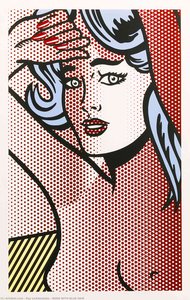
Explore the industrial secrets of 1960s Pop Art. Discover how Ben-Day dots and silk screening transformed mass media into masterpieces by Roy Lichtenstein. An in-depth look at the intersection of mechanical printing and fine art history for students and collectors.


Bodite na sešte, s najnovejšimi novicami iz sveta umetnosti, ekskluzivnimi ponudbami in idejami za dekoracijo.
Povejte nam o svojem projektu in naši strokovnjaki za umetnost vam bodo pripravili 3 prilagojene predloge umetniških del.
Naj vam izberemo 3 možnosti – popolnoma brezplačno!


 Predogled
 Pošlji
 Deli
Deli
 Podrobnosti o delu

 Prenesi
 Podobni izdelki
 Rentgenski posnetek
 Predvajaj diaporama

 Razviljaj več







 Možnost stekla je na voljo le za velikosti pod 110 cm