


x


 Preview
 Naročite reprodukcijo Kupi digitalno sliko
 Pošlji
 Podrobnosti o delu
 Dodaj v priljubljene
 Prenesi
 Podobni izdelki
 Rentgenski posnetek
 Predvajaj diaporama
 Oil On CanvasWallArtFrench Baroque
 1617
1617 95.0 x 135.0 cm
 Galleria Nazionale d'Arte Antica
Giclée ali platnati odtis muzejske kakovosti z hitro proizvodnjo in prilagodljivimi možnostmi končne obdelave.





























Izberite eno od naših vnaprej določenih velikosti, ki ustrezajo prvotnim proporcijam umetničkega dela.

Svoje dimenzije lahko vnesete sami, da bodo ustrezne za določen okvir ali prostor. Če izbrana velikost ne bo skladna z razmerji izvirne slike, bomo umetniško delo orezali ali podaljšali s pomočjo ogledalnega odraza ali barvno polnega roba. Pred začetkom proizvodnje vam bomo poslali digitalni predogled za potrditev.
Upoštevajte, da predogled na zaslonu ne prikazuje dejanskega orezovanja ali podaljševanja. Le digitalni predogled bo natančno prikazal končno kompozicijo.
Čeprav so na voljo prilagojene velikosti, priporočamo izbiro dimenzije s predhodno določenega seznama, da ohranite prvotna razmerja.
Globalna dostava () v 2 tednih namesto standardnih 4/5 tednov. (26 julij)


The Fortune Teller
Velikost reprodukcije
Simon Vouet's "The Fortune Teller," painted in 1617, isn’t merely a portrait; it’s a carefully constructed tableau brimming with intrigue and a palpable sense of the mystical. Housed within the venerable Galleria Nazionale d’Arte Antica in Rome, this oil on canvas invites viewers into a dimly lit chamber where the boundaries between reality and prophecy blur. Vouet, a pivotal figure bridging the Mannerist and Baroque eras, masterfully employs chiaroscuro – the dramatic interplay of light and shadow – to draw our attention to the central figures and imbue the scene with an almost theatrical intensity.
The composition itself is deliberately layered. At its heart sits a man, his features obscured by a wide-brimmed hat and a flowing beard, engaged in a hushed conversation. He holds an open book, seemingly offering guidance or revealing secrets. Flanking him are two women, their attire – one clad in vibrant red, the other in deep blue – adding splashes of color to the predominantly dark palette. Their attentive gazes suggest they are both recipients and observers of this unfolding drama. The background, rendered in muted tones, serves primarily as a backdrop, emphasizing the figures and creating an atmosphere of hushed anticipation.
Vouet’s technique is a fascinating blend of influences. He absorbed the dramatic lighting favored by Caravaggio, but tempered it with a more refined elegance characteristic of French portraiture. Notice how light pools around the faces and hands, highlighting their expressions and gestures while leaving much of the scene shrouded in shadow. This creates a sense of depth and mystery, inviting speculation about the events taking place within the room. The brushstrokes are smooth and blended, contributing to the painting’s overall polished appearance – a hallmark of Vouet's style.
The use of *sfumato*, another technique borrowed from Leonardo da Vinci, is subtly present, softening edges and creating an atmospheric haze that further enhances the sense of depth. Vouet wasn’t simply replicating Caravaggio; he was adapting his innovations to suit the evolving tastes of the French court, resulting in a uniquely sophisticated style.
"The Fortune Teller" is steeped in symbolism, reflecting the prevailing fascination with astrology, divination, and the occult during the early 17th century. The book held by the central figure likely represents knowledge, prophecy, or perhaps even fate itself. The women, often interpreted as representing fortune tellers or advisors, are positioned to receive this information. The red and blue garments could symbolize different types of wisdom or guidance – a common motif in Renaissance art.
Painted during a period of significant artistic transition in France, Vouet’s work exemplifies the shift from the rigid formality of Mannerism towards the more dynamic and emotionally expressive style of the Baroque. His patronage by influential figures like Cardinal Richelieu helped establish him as one of the leading artists of his time, shaping the course of French painting for decades to come.
The enduring appeal of “The Fortune Teller” lies in its ability to evoke a sense of mystery and intrigue. It’s a scene ripe with narrative possibilities, prompting viewers to imagine the story behind the figures and their exchange. Today, high-quality reproductions of this captivating artwork are available through Most-Famous-Paintings.com, meticulously crafted using traditional oil painting techniques and premium materials, ensuring that the drama and emotional depth of Vouet's original masterpiece are faithfully preserved. These reproductions offer a beautiful way to bring this iconic work into your home or office – a testament to the enduring power of art.
For further exploration, consider visiting the Galleria Nazionale d’Arte Antica in Rome or delving into online resources like the Web Gallery of Art (The Fortune Teller by VOUET, Simon) and exploring Valentin de Boulogne's work for a deeper understanding of Caravaggio’s influence.

Simon Vouet je bil ključna osebnost v prehodu francškega slikarstva iz manirizma v barokni stil. Rojen v umetni družini – njegov oče Laurent je bil slikar, brat pa Aubin prav tako umetnost udajal – je prej prejel usposabljanje, ki je postavilo temelj za njegov kasnejši uspeh. Njegov vnuk, Ludovico Dorigny, je bo nadaljeval umetni nas družine.
Med svojim italijanskim prebivaljem je Vouet absorbiral različne vplive. Studiral je dramatične svetlobne tehnike, ki jih je pionir bil Caravaggio, prevzel elemente italijanskega manirizma in natančno analiziral palete barv ter di sotto in su (perspektiva odspodku) uporabljen v Paolo Veronese. Prav tako je bil navdohan z delami Carraccija, Guercina, Lanfranca in Guido Renija, sintezirajoč te različne stile v edinstveno umetniško vizijo.
Dediščina Simon Voueta temelji na njegovi ključni vlogi kot most med italijanskostjo in francsko umetnostjo. Uspešno je uvezel dinamiko in veličast italijanskega baroka, ga pa je transformiral v stil, ki je rezonoval z okusjem francškega dvora in aristokracije. Njegov vpliv na razvoj francškega slikarstva v 17. stoletju je neosporen, in njegovi prispevi so še danes dan znani umetnostnim zgodovnikom.

1590 - 1649 , Francija

Explore the life & art of Simon Vouet, a pivotal French Baroque painter who introduced Italian styles to France. Discover his masterpieces and lasting influence on 17th-century art.

Odkrijte 25 mojstrovin Claude Moneta – impresionističnih biserov, ki so spremenile svet umetnosti. Preberite zgodbe za slikami, tehniko in navdih. Kvalitetne reprodukcije na Most-Famous-Paintings.com! Raziskajte celotno zbirko online.
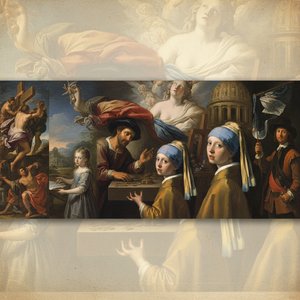
Odkrijte 10 baročnih mojstrovine, ki so zaznamovale umetnost! Karavaggio, Bernini & Rubensovi deli v zgodovinskem kontekstu. Navdih za notranjost in reprodukcije slik na Most-Famous-Paintings.com. Raziskujte polno zbirko online!

Journey through Baroque painting's glory! Explore 10 masterpieces by Caravaggio, Rembrandt & Vermeer. Discover dramatic lighting, rich colors & timeless stories. Find museum-quality art reproductions for your home at Most-Famous-Paintings.com.
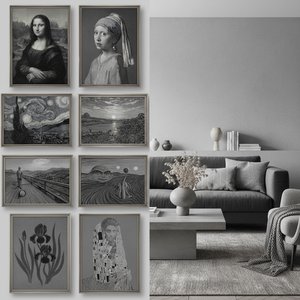
Explore 10 iconic gray paintings by masters like Rembrandt, Hopper & Whistler. Discover the stories behind these atmospheric artworks and find museum-quality art reproductions for your home decor at . Explore the full collection online.


Bodite na sešte, s najnovejšimi novicami iz sveta umetnosti, ekskluzivnimi ponudbami in idejami za dekoracijo.
Povejte nam o svojem projektu in naši strokovnjaki za umetnost vam bodo pripravili 3 prilagojene predloge umetniških del.
Naj vam izberemo 3 možnosti – popolnoma brezplačno!


 Deli
Deli

 Razviljaj več







 Možnost stekla je na voljo le za velikosti pod 110 cm


