


x


 Preview
 Kupi tiskanino Kupi digitalno sliko
 Pošlji
 Podrobnosti o delu
 Dodaj v priljubljene
 Prenesi
 Podobni izdelki
 Rentgenski posnetek
 Predvajaj diaporama
Ročno slikano olje na platnu v vaši izbiri velikosti in okvirja, izdelano po naročilu naših umetnikov.





























Izberite eno od naših vnaprej določenih velikosti, ki ustrezajo prvotnim proporcijam umetničkega dela.

Svoje dimenzije lahko vnesete tako, da se prilagodite določenemu okvirju ali prostoru. Če izbrana velikost ne ustreza razmerjem originalne slike, bomo umetniško delo obrezali ali sliko dopolnili z dodatnimi ročno naslikanimi elementi. Pred začetkom proizvodnje vam bo poslan digitalni osnutek v odobritev.
Upoštevajte, da predogled na zaslonu ne odraža dejanskega obrezovanja ali podaljšanja. Le osnutek bo natančno prikazal končno kompozicijo.
Čeprav so na voljo velikosti po meri, priporočamo izbiro dimenzije s preddefiniranega seznama, da ohranimo originalne razmere.
Svetska dostava () za 3/4 nedelje umesto uobičajenih 5 nedelja. (28 julij). Bez kompromisa po pitanju kvaliteta.


Tyburn Large
Velikost reprodukcije
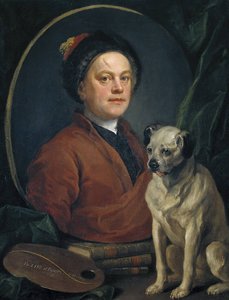
“Tyburn Large,” painted by William Hogarth in 1746, isn't merely a depiction of an execution; it’s a meticulously rendered snapshot of 18th-century London life, brimming with social commentary and unsettling realism. This iconic engraving, now widely reproduced, offers a chilling glimpse into the city’s moral landscape – a world where public spectacle intersected with everyday anxieties and the stark realities of poverty and justice. Hogarth, a master of “modern moral subjects,” used his art to dissect societal ills, and “Tyburn Large” stands as one of his most potent indictments.
The scene unfolds within a bird’s-eye perspective, a deliberate choice that amplifies the chaos and scale of the event. A central focus is the condemned man, led towards the gallows – a stark, unadorned structure against the backdrop of a densely populated crowd. This isn't a romanticized portrayal of death; instead, Hogarth presents a brutally honest depiction of human reaction: gawking spectators, opportunistic merchants hawking goods, and soldiers maintaining order with an air of weary detachment. The composition is deliberately crowded, reflecting the teeming streets and bustling markets of London at the time – a city perpetually on display.
Hogarth’s genius lies in his masterful use of engraving technique. He employed meticulous hatching and cross-hatching to create an astonishingly realistic portrayal of textures, from the rough fabric of the condemned man's clothing to the weathered faces of the onlookers. The monochromatic palette – a carefully orchestrated range of grays – intensifies the drama and emphasizes the scene’s somber mood. Notice how light is strategically used to sculpt forms and draw attention to key figures, creating a powerful sense of depth and volume within the crowded composition.
The use of linear perspective subtly guides the viewer's eye through the scene, drawing them into the heart of the execution. Overlapping figures and varying sizes contribute to an illusion of space, making the densely packed crowd feel both overwhelming and strangely intimate. The artist’s attention to detail is remarkable; even the smallest elements – a discarded coin, a stray dog – add layers of meaning to the overall narrative.
“Tyburn Large” transcends a simple record of an event; it's a pointed critique of London society. The presence of merchants exploiting the tragedy speaks volumes about the city’s moral decay, while the soldiers represent the state’s heavy-handed attempts to maintain order amidst widespread public fascination with death. The very act of public execution itself – a spectacle designed for entertainment – highlights Hogarth's belief that such displays normalized violence and desensitized society.
The title “Large” is significant, suggesting both the scale of the event and the artist’s intention to capture it in all its detail. The engraving can be interpreted as a broader commentary on the "modern moral subjects" – the everyday scenes of human life that Hogarth sought to portray with unflinching honesty. It's a reminder that even amidst the grandeur of London, poverty, injustice, and moral corruption were ever-present realities.
William Hogarth’s “Tyburn Large” remains a powerful testament to his artistic skill and social awareness. Reproductions of this engraving continue to resonate today, offering a valuable window into the past and prompting reflection on contemporary issues of justice, morality, and the role of art in shaping our understanding of society. It's more than just an image; it’s a historical document, a moral fable, and a timeless exploration of the human condition.

1697 - 1764 , Združeno kraljestvo Velike Britanije in Irsko

Journey through 18th century art! Explore 10 iconic paintings – from Rococo elegance to Neoclassical grandeur. Discover Fragonard, David & more. Find museum-quality reproductions and elevate your home decor on Most-Famous-Paintings.com.

Odkrijte 10 mojstrovin, ki so definirale rokokoj! François Boucher, Fragonard & Watteau – potopite se v svet elegance, pastelnih barv in prefinjenega sloga. Najboljše umetnine rokokoja na Most-Famous-Paintings.com - za navdih in reprodukcije vrhunske kakovosti.

Explore the satirical world of William Hogarth, pioneering British painter & engraver. Discover his iconic works like *A Rake's Progress* and insightful social commentary on 18th-century London life.

Journey through art history with our Top 10 Legendary Engravings! Explore masterpieces by Dürer, Rembrandt & Goya. Discover the stories behind these iconic prints and find museum-quality reproductions for your home at Most-Famous-Paintings.com.

Odkrijte kako akrilne plošče, bronasti detajli & vgravirane ploščice povečajo prepoznavnost vašega hotela. Most-Famous-Paintings ponuja vrhunsko kakovost, personalizacijo in strokovno svetovanje za edinstven dizajn prostora.


Bodite na sešte, s najnovejšimi novicami iz sveta umetnosti, ekskluzivnimi ponudbami in idejami za dekoracijo.
Povejte nam o svojem projektu in naši strokovnjaki za umetnost vam bodo pripravili 3 prilagojene predloge umetniških del.
Naj vam izberemo 3 možnosti – popolnoma brezplačno!


 Deli
Deli


 Razviljaj več







 Možnost stekla je na voljo le za velikosti pod 110 cm


