x

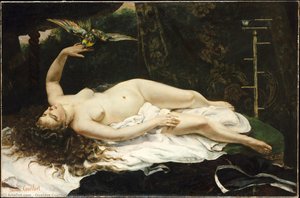
 1880
1880 83.0 x 134.0 cm
Kupite digitalno sliko visoke ločljivosti z izboljšano kakovostjo, ki je precej boljša od spletnega predogleda.
Vsaka datoteka je pod natančnim nadzorom naših strokovnjakov, ki uporabljajo napredna orodja in strokovno ročno obdelavo. Zagotovimo, da ima vsaka slika izjemno jasnost, natančnost barv in fine podrobnosti.
Končna datoteka je po e-pošti dostavljena v 72 urah, optimizirana za takojšnjo uporabo v profesionalnem, uredniškem in tiskarskem okolju. To je kakovost, ki ji zaupajo vrhunska oblikovalna studia, založniki in galerije.
Prenesite datoteko visoke ločljivosti za osebno uporabo, tiskanje in kreativne projekte. ( Kupi tisk Kupi ročno naslikano sliko)
Ko izberete Most-Famous-Paintings.com, ne prejmete le slike – prejmete digitalno umetniško delo, ki je profesionalno urejeno, izdelano z natančnostostjo in zavestno zagotovljeno z garancijo za zadovoljstvo. Tukaj je vse, kar samodejno prejmete z vašim naročilom:

Vaša digitalna slika visoke ločljivosti bo na vaš e-naslov poslana v roku 72 ur od zaklopa naročila – pripravljena za takojšnjo uporabo.

Vaše umetniško delo je strokovno optimizirano z uporabo naprednih orodij umetne inteligence in ročne obdelave, kar zagotavlja največjo stopnjo podrobnosti, jasnosti in barvne natančnosti.

Ste zaradi nespremietne napake izgubili ali izbrisali svojo datoteko? Ni težav – vam jo bomo ponovno poslali kadar koli in brezplačno.

Uživajte v svojem umetniškem delu takoj, brez carin, davkov ali stroškov dostave – digitalni prenosi so vedno brezdavčni.

Z uporabo profesionalnih orodij in upravljanja barv zagotavljamo, da vaša digitalna slika čim bolj natančno odraža prvotne barve.

Če niste zadovoljni s svojo digitalno sliko, jo bomo uredili ali vam v 60 dneh povrnili 100% denarja – brez kakršnih koli vprašanj.

Niste zadovoljni? Zagovрите popoln povračilo sredstev v 60 dneh po prejemu digitalne datoteke – brez kakršnih koli vprašanj.

Kupite 3 slike, prihranite 10% - Kupite 5 slik, prihranite 15% - Kupite 10+ slik, prihranite 20%. Odlično za kreativne projekte, galerije in agencije.

The story of Sarah Biffin (1784-1850) is a remarkable testament to resilience, ingenuity, and the enduring human spirit. Born without arms or legs in Somerset, England, she defied societal expectations and established herself as a respected miniaturist artist during a period when opportunities for disabled individuals were severely limited. Her life was one of quiet determination, marked by both hardship and surprising success, offering a poignant glimpse into the realities faced by those marginalized by disability in the early 19th century.
Biffin’s early years were shaped by her family's circumstances as laborers. While details about her childhood are scarce, it is understood that she received minimal formal education. However, her parents recognized her artistic talent and provided her with basic instruction in sewing and drawing – skills crucial to her later career. The spectacle of a disabled woman engaging in skilled craftwork was undoubtedly a novelty at the time, and Biffin’s family capitalized on this by presenting her as a ‘curiosity’ at Bartholomew Fair, a popular traveling fair held annually in London. This arrangement, while providing some income, also exposed her to public scrutiny and potentially limited her artistic development.
A pivotal moment in Biffin's life was her encounter with Emmanuel Dukes, a showman who specialized in exhibiting unusual individuals at fairs. Dukes recognized her potential as an artist and took her under his wing, providing her with more structured instruction and securing commissions. He effectively transformed her from a curiosity into a professional artist, arranging exhibitions of her miniature portraits – primarily of members of the British royal family and the aristocracy. This association proved to be both beneficial and challenging; while it provided financial stability and artistic training, it also involved considerable public attention and potentially exploited her disability.
Biffin’s style in her miniatures was characterized by a delicate realism and an impressive level of detail. She meticulously rendered fabrics, jewelry, and facial features, demonstrating a keen eye for observation and skillful technique. Her portraits often featured a formal, elegant pose, reflecting the conventions of miniature portraiture at the time. Notably, she frequently depicted herself in her work, offering a rare and intimate portrayal of a disabled woman navigating societal expectations. These self-portraits are particularly significant as they provide valuable insights into her identity and perspective.
Beyond her commissions, Biffin also engaged in teaching and demonstrated her artistic skills at fairs. Her presence at Bartholomew Fair was a regular event, attracting considerable attention and solidifying her reputation as a talented artist. The fair itself was a vibrant and chaotic spectacle, filled with performers, vendors, and curiosities – an environment that likely shaped her artistic sensibilities and understanding of public perception. The experience is vividly described by Thomas Rowlandson in his 1799 etching, *Bartholomew Fair*, which captures the energy and eccentricity of the event.
While Biffin’s work predates the formal establishment of major art movements like Romanticism and the Pre-Raphaelite Brotherhood, her career unfolded during a period of significant artistic innovation. The burgeoning interest in landscape painting, particularly within the Romantic movement, influenced artists to seek beauty and emotion in nature – a theme frequently explored in Biffin’s portraits, often depicting subjects in natural settings or wearing clothing that reflected the latest fashions.
The Pre-Raphaelite Brotherhood, founded in 1848, challenged academic artistic conventions by advocating for a return to the style and subject matter of Renaissance art. Biffin's work shares some stylistic similarities with the Pre-Raphaelites, particularly in her attention to detail and realistic depiction of fabrics and textures. Her portraits often evoke a sense of intimacy and emotional depth, qualities that resonated with the movement’s emphasis on sincerity and beauty.
Furthermore, Biffin's story itself aligns with broader themes explored by Romantic artists – the celebration of individual resilience, the exploration of human experience, and the questioning of societal norms. Her ability to overcome physical limitations and pursue a career as an artist serves as a powerful example of human potential and determination.
Biffin’s miniature portraits were executed primarily in watercolor on ivory or paper. The use of ivory provided a smooth, reflective surface ideal for capturing the delicate details of fabrics and skin tones. Watercolor allowed her to achieve subtle gradations of color and create a luminous effect. She employed fine brushes and meticulous layering techniques to build up the image gradually, achieving remarkable precision and realism.
Her process involved careful observation of her subjects, as well as an understanding of anatomy and perspective. She likely used sketches and studies to plan her compositions and ensure accuracy. The miniature format demanded a high degree of skill and control, requiring Biffin to work with small details and limited space. Her ability to master these challenges speaks volumes about her talent and dedication.
The materials she utilized—ivory, watercolor, fine brushes—were all indicative of the upper-class clientele she served, reflecting the status and wealth of those who commissioned her portraits. The choice of ivory, in particular, suggests a level of sophistication and refinement in her artistic practice.
Sarah Biffin’s legacy extends beyond her artistic achievements. Her story is one of remarkable perseverance in the face of adversity – a disabled woman who defied societal expectations and established herself as a successful artist. She represents a largely overlooked figure in art history, whose contributions have been historically marginalized due to her disability.
Her portraits offer valuable insights into the social and cultural attitudes towards disability in the 19th century. While she was often presented as a ‘curiosity,’ Biffin’s work reveals a complex relationship between public fascination and artistic recognition. Her self-portraits, in particular, provide a powerful testament to her identity and agency.
Today, Sarah Biffin is increasingly recognized for her talent and resilience. Her works are housed in museums and private collections around the world, serving as reminders of her extraordinary life and artistic legacy. Her story continues to inspire and challenge us to reconsider our understanding of disability, art, and the power of human potential.

1850 - 1906 , Japonska


Bodite na sešte, s najnovejšimi novicami iz sveta umetnosti, ekskluzivnimi ponudbami in idejami za dekoracijo.
Povejte nam o svojem projektu in naši strokovnjaki za umetnost vam bodo pripravili 3 prilagojene predloge umetniških del.
Naj vam izberemo 3 možnosti – popolnoma brezplačno!


 Predogled
 Pošlji
 Deli
Deli
 Podrobnosti o delu

 Prenesi
 Podobni izdelki
 Rentgenski posnetek
 Predvajaj diaporama
 Razviljaj več