


x
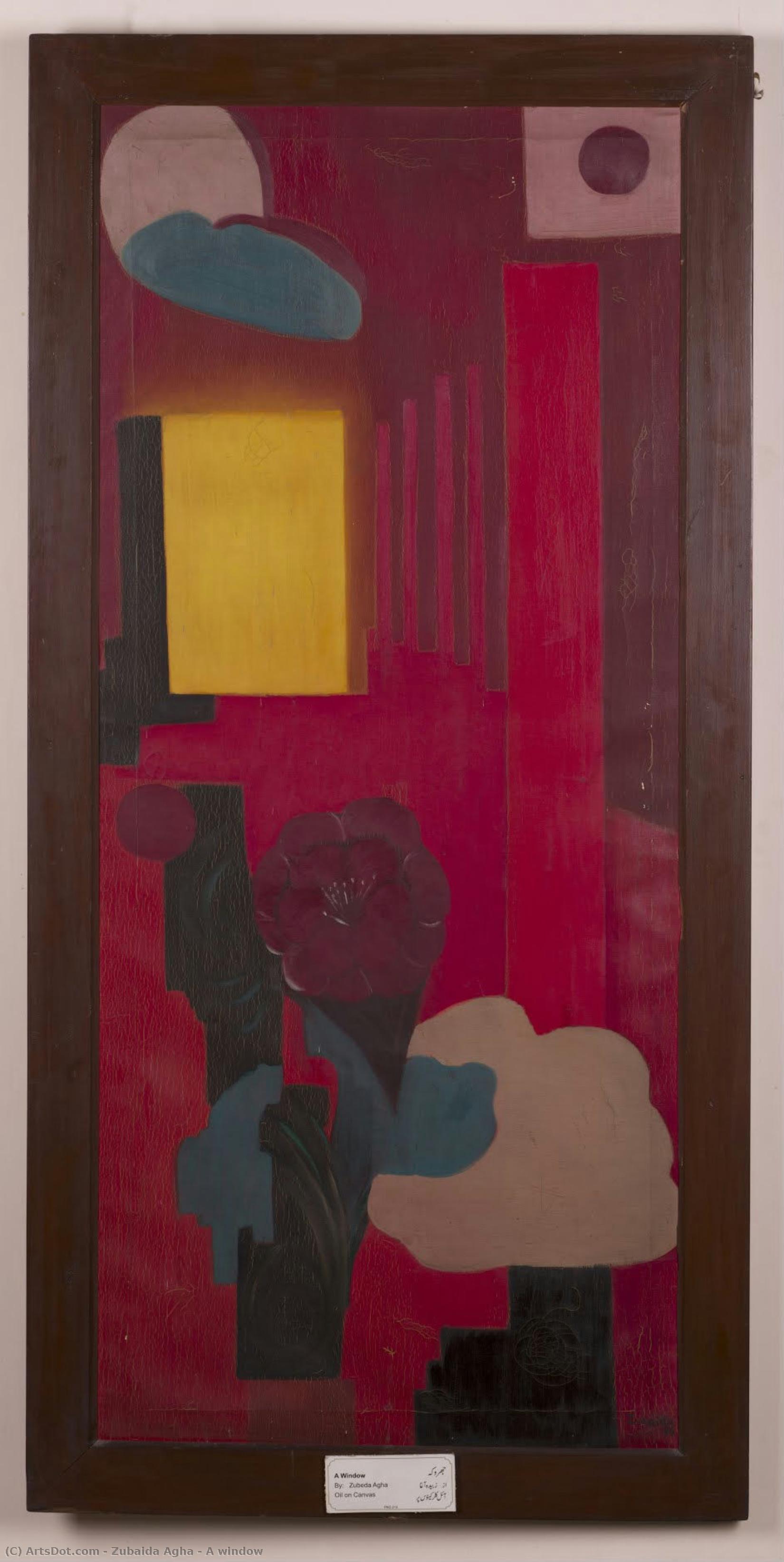
Kupite digitalno sliko visoke ločljivosti z izboljšano kakovostjo, ki je precej boljša od spletnega predogleda.
Vsaka datoteka je pod natančnim nadzorom naših strokovnjakov, ki uporabljajo napredna orodja in strokovno ročno obdelavo. Zagotovimo, da ima vsaka slika izjemno jasnost, natančnost barv in fine podrobnosti.
Končna datoteka je po e-pošti dostavljena v 72 urah, optimizirana za takojšnjo uporabo v profesionalnem, uredniškem in tiskarskem okolju. To je kakovost, ki ji zaupajo vrhunska oblikovalna studia, založniki in galerije.
Prenesite datoteko visoke ločljivosti za osebno uporabo, tiskanje in kreativne projekte. ( Kupi tisk Kupi ročno naslikano sliko)
Ko izberete Most-Famous-Paintings.com, ne prejmete le slike – prejmete digitalno umetniško delo, ki je profesionalno urejeno, izdelano z natančnostostjo in zavestno zagotovljeno z garancijo za zadovoljstvo. Tukaj je vse, kar samodejno prejmete z vašim naročilom:

Vaša digitalna slika visoke ločljivosti bo na vaš e-naslov poslana v roku 72 ur od zaklopa naročila – pripravljena za takojšnjo uporabo.

Vaše umetniško delo je strokovno optimizirano z uporabo naprednih orodij umetne inteligence in ročne obdelave, kar zagotavlja največjo stopnjo podrobnosti, jasnosti in barvne natančnosti.

Ste zaradi nespremietne napake izgubili ali izbrisali svojo datoteko? Ni težav – vam jo bomo ponovno poslali kadar koli in brezplačno.

Uživajte v svojem umetniškem delu takoj, brez carin, davkov ali stroškov dostave – digitalni prenosi so vedno brezdavčni.

Z uporabo profesionalnih orodij in upravljanja barv zagotavljamo, da vaša digitalna slika čim bolj natančno odraža prvotne barve.

Če niste zadovoljni s svojo digitalno sliko, jo bomo uredili ali vam v 60 dneh povrnili 100% denarja – brez kakršnih koli vprašanj.

Niste zadovoljni? Zagovрите popoln povračilo sredstev v 60 dneh po prejemu digitalne datoteke – brez kakršnih koli vprašanj.

Kupite 3 slike, prihranite 10% - Kupite 5 slik, prihranite 15% - Kupite 10+ slik, prihranite 20%. Odlično za kreativne projekte, galerije in agencije.

Lucian Michael Freud (1922-2011) remains one of the most compelling and challenging figures in 20th-century British art. More than simply a portrait painter, Freud offered an intensely personal and often unsettling exploration of human psychology, capturing not just appearances but the very essence – the vulnerability, the awkwardness, and the quiet dignity – of his subjects. His work, characterized by thick impastoed surfaces, intimate scale, and a deliberate avoidance of sentimentality, continues to provoke debate and admiration decades after its creation.
Born in Berlin during the turbulent years of the Weimar Republic, Freud’s early life was profoundly shaped by his family's Jewish heritage and their eventual emigration to London in 1933. The shadow of Sigmund Freud, his grandfather, loomed large, though Lucian himself remained largely detached from his famous relative’s psychoanalytic theories. He received a somewhat erratic education, attending Dartington Hall and Bryanston School before being expelled for disruptive behavior – an experience that arguably contributed to the guarded and private nature he brought to his art. This early period of instability instilled in him a deep-seated need to observe and understand human behaviour, laying the foundation for his future work.
Freud’s artistic journey began with a flirtation with Surrealism in the 1940s, influenced by the vibrant energy of Paris. However, he quickly moved beyond this initial phase, embracing Expressionism before ultimately developing a distinctive style rooted in realism and psychological observation. His early works, such as “Portrait of Kitty” (1948-49), already hinted at his signature approach – a deliberate flattening of perspective, an almost claustrophobic intimacy, and a focus on the sitter’s physicality. This period was also marked by a strong influence from Cedric Morris, who encouraged him to study life drawing and develop his skills.
The 1950s witnessed the solidification of Freud's artistic vision. He began to work almost exclusively from life, demanding extended sittings – sometimes lasting for days – from his subjects. This rigorous process wasn’t merely about capturing likeness; it was an attempt to penetrate the sitter’s inner world, revealing their anxieties, vulnerabilities, and unspoken truths. His portraits are rarely flattering; they often depict figures in moments of discomfort, awkwardness, or quiet contemplation. The use of thick, almost sculptural paint created a tactile surface that seemed to breathe with life, drawing the viewer into the scene.
Freud’s technique was notoriously demanding. He employed a palette knife and other tools to build up layers of paint, creating a dense, textured surface that absorbed light and cast deep shadows. This physicality is crucial to his work; it suggests a profound engagement with the subject matter, as if he were not simply painting an image but actively shaping and molding it from within. His compositions are often deliberately unbalanced, further contributing to the sense of unease and psychological intensity.
Several key works exemplify Freud’s artistic evolution and his unique approach to portraiture. “Benefits Supervisor Sleeping” (1995), a monumental depiction of model Joy Division, is arguably his most famous painting, capturing the sitter's profound weariness and vulnerability with unflinching honesty. “Mountainous Figure” (1962) showcases his ability to convey a sense of isolation and power through the use of scale and composition. Throughout his career, Freud was influenced by artists such as Rembrandt, Velázquez, and Bacon, but he forged his own distinctive path, creating a body of work that is both deeply personal and universally resonant.
The 1922 Group, a small circle of artists who emerged in Scotland after World War I, provided an early platform for Freud’s artistic development. This group, characterized by its rejection of established norms and its embrace of modernism, fostered a spirit of experimentation and encouraged Freud to explore new approaches to painting. The influence of figures like Picasso and Cocteau during the 1920s also played a significant role in shaping his early style.
Lucian Freud’s impact on British art is undeniable. He challenged conventional notions of portraiture, moving beyond idealized representations to offer a brutally honest and psychologically complex portrayal of the human condition. His work continues to be exhibited widely and studied by scholars and artists alike. Freud's uncompromising vision and his willingness to confront difficult subjects have cemented his place as one of the most important and influential painters of the 20th century, leaving behind a legacy that is both unsettling and profoundly moving.
His later years were marked by increasing recognition and acclaim, culminating in retrospective exhibitions at major museums around the world. Despite his private nature, Freud’s work has had a lasting impact on contemporary art, influencing generations of artists with its raw honesty, psychological depth, and masterful technique.

1922 - 1997 , Pakistan


Bodite na sešte, s najnovejšimi novicami iz sveta umetnosti, ekskluzivnimi ponudbami in idejami za dekoracijo.
Povejte nam o svojem projektu in naši strokovnjaki za umetnost vam bodo pripravili 3 prilagojene predloge umetniških del.
Naj vam izberemo 3 možnosti – popolnoma brezplačno!


 Predogled
 Pošlji
 Deli
Deli
 Podrobnosti o delu

 Prenesi
 Podobni izdelki
 Rentgenski posnetek
 Predvajaj diaporama

 Razviljaj več


