x

Giclée štampa ili print na platnu muzejskog kvaliteta uz brzu proizvodnju i fleksibilne opcije završne obrade. ( Kupi ručno naslikanu sliku Kupi digitalnu sliku)
Izaberite jednu od naših unapred definisanih veličina koje odgovaraju originalnim proporcijama umetničkog dela.

Možete uneti sopstvene dimenzije kako biste umetničko delo prilagodili specifičnom okviru ili prostoru. Ako odabrani format ne odgovara proporcijama originalne slike, mi ćemo ili iscrtati deo dela ili proširiti sliku pomoću ogledane ivice ili jednobojnog popunjavanja. Digitalni prikaz će vam biti poslat na odobrenje pre početka proizvodnje.
Imajte na umu da pregled na ekranu ne odražava stvarno iscrtavanje ili proširivanje. Samo će prikaz (mockup) precizno pokazati finalnu kompoziciju.
Iako su prilagođene dimenzije dostupne, preporučujemo da odaberete dimenziju sa unapred definisane liste kako biste očuvali originalne proporcije.
Dostava širom sveta () za 2 nedelje umesto uobičajenih 4/5 nedelja. (21 август)


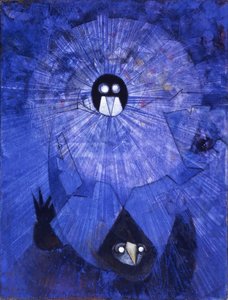
Untitled (Peacock)
Dimenzije reprodukcije

Adam Leontus (1923 – 1986) stands as a pivotal figure in Haitian art history, embodying the spirit of artistic exploration and an unwavering devotion to cultural heritage. Born in Port-au-Prince, Haiti, his journey toward becoming a celebrated painter was marked by diverse experiences that ultimately shaped his distinctive style and profound contribution to the nation’s visual landscape. Before dedicating himself fully to the canvas, Leontus pursued various professions—including carpentry and teaching—demonstrating an adaptability and a grounding in practical skills that would later inform the structural precision of his compositions. His life was a testament to the transformative power of creativity, moving from the tactile realities of manual labor to the ethereal realms of spiritual and biblical storytelling.
His formative years coincided with the burgeoning Haitian art scene of the mid-20th century, a period of immense cultural awakening. In 1948, Leontus enrolled at the legendary Centre d'Art in Port-au-Prince, an institution that served as a crucible for talent and a sanctuary for experimentation. It was within this vibrant community that he began to refine his voice, learning to navigate the delicate balance between local tradition and international influence. This period of study allowed him to integrate the raw, emotive energy of Haitian folk traditions with more formal academic elements, setting the stage for a career defined by both cultural pride and technical mastery.
Leontus achieved international acclaim through his monumental murals adorning the Holy Trinity Cathedral in Port-au-Prince, an ambitious undertaking that cemented his reputation as a champion of Haitian identity. These cathedral murals represent perhaps his most enduring legacy and a bold assertion of Black excellence. Commissioned to depict biblical stories, Leont andus made the deliberate and revolutionary choice to feature exclusively Black African figures. In doing so, he rejected Western artistic conventions that had long marginalized African likenesses in religious iconography, instead offering a vision of faith that resonated deeply with the soul of his people.
To achieve this, Leontus meticulously researched traditional Haitian iconography and symbolism, blending these ancestral motifs with techniques honed during his formal training at the École Supérieure des Beaux-Arts in Paris. This unique synthesis of influences allowed him to create works that were simultaneously grounded in the local soil and sophisticated enough for the global stage. His approach embraced both academic rigor and intuitive expression, resulting in canvases imbued with vibrant color palettes and dynamic compositions that capture the very essence of the human spirit.
The significance of Adam Leontus extends far beyond the physical boundaries of his paintings. He was a pioneer who helped redefine the narrative of Caribbean art, proving that the sacred and the local could be elevated to the level of high art without losing their authentic essence. His work remains a cornerstone of Haitian modernism, characterized by several key elements:
Through his dedication to portraying the beauty and divinity of the Black experience, Leontus left behind a visual language that continues to inspire generations of artists. His life's work remains a profound testament to the power of art to serve as both a mirror for one's culture and a window into the divine.

1923 - 1986 , Haiti


Budite u toku sa najnovijim vestima o umetnosti, ekskluzivnim ponudama i idejama za dekoraciju.
Recite nam o vašem projektu i naši stručnjaci za umetnost će vam pružiti 3 personalizovana predloga umetničkih dela.
Dozvolite nam da odaberemo 3 opcije specijalno za Vas - Besplatno!


 Pregledaj u prostoru
 Pošalji
 Podeli
 Detalji o delu

 Преузми
 Slični predmeti
 Rendgenski snimak
 Slajdovi
 Pročitaj više




































 Opcija sa staklom dostupna je samo za dimenzije manje od 110 cm