


x

 Oil On CanvasWallArtBaroque Painting
 1699Contemporary
 81.0 x 66.0 cm
 Rijksmuseum
Ručno oslikano uljanim bojama na platnu u dimenzijama i okviru po vašem izboru, izrađeno po porudžbini od strane naših umetnika. ( Pređi na štampu Prebacite na sliku)





























Izaberite jednu od naših unapred definisanih veličina koje odgovaraju originalnim proporcijama umetničkog dela.

Можете унети сопствене димензије како бисте прилагодили дело одређеном оквиру или простору. Ако одабрана величина не одговара пропорцијама оригинала, слика ће бити исечена или проширена додатним елементима који се ручно насликавају. Дигитални prikaz ће вам бити послат на одобрење пре почетка производње.
Имајте на уму да преглед на екрану не одражава стварно исецање или проширење. Само приказ (mockup) ће тачно приказати коначну композицију.
Иако су доступне прилагођене величине, препоручујемо да одаберете димензију из дефинисане листе како бисте сачували оригиналне пропорције.
Isporuka širom sveta () za 3/4 nedelje umesto uobičajenih 5 nedelja. (9 август). Bez kompromisa po pitanju kvaliteta.


Self-Portrait
Dimenzije reprodukcije
Adriaen van der Werff's 1699 Self-Portrait is more than just a likeness; it’s a meticulously crafted window into the mind of a prominent Dutch artist during a pivotal era. Housed within the hallowed halls of the Rijksmuseum in Amsterdam, this oil on canvas painting transcends mere portraiture, offering a profound glimpse into the values, ambitions, and artistic sensibilities of 17th-century Europe. The work immediately commands attention with its dramatic use of chiaroscuro – the masterful interplay of light and shadow – which sculpts Van der Werff’s features and imbues the scene with an almost theatrical intensity. The artist doesn't simply present himself; he actively engages the viewer, inviting us into his world of artistic creation.
Van der Werff’s skill isn’t merely technical; it’s deeply rooted in a Baroque aesthetic that prized drama, emotion, and a heightened sense of realism. The composition itself is carefully orchestrated: the artist stands before a table laden with his tools – brushes, palettes, and a partially completed portrait of his wife and daughter – each element contributing to a narrative of dedication and artistic pride. The inclusion of this family portrait isn’t merely decorative; it speaks volumes about Van der Werff's life and priorities, suggesting a desire for domestic harmony alongside his professional pursuits. The gilt-framed miniature further emphasizes this familial connection, elevating the importance of his loved ones within his artistic world.
A closer examination reveals the intricate techniques that define Van der Werff’s style. The strong contrasts between light and dark – a hallmark of Baroque painting – aren't simply employed for visual effect; they serve to draw our attention to key focal points, particularly the artist himself. His face is rendered with an almost photographic precision, capturing every nuance of expression—a subtle hint of self-awareness mingled with quiet confidence. The meticulous detail extends beyond his features to encompass the textures of his clothing, the sheen of the gold trim, and even the delicate brushstrokes that define the miniature portrait.
Van der Werff’s mastery of color is equally noteworthy. He utilizes a rich palette of reds, browns, and golds, creating a sense of warmth and opulence. The dark background serves as a dramatic foil to these vibrant hues, further enhancing the impact of the figure in the foreground. The artist's use of sfumato – a subtle blurring technique – softens the edges of forms, lending an air of mystery and sophistication to the overall composition. This careful attention to detail and masterful manipulation of light and color are hallmarks of his distinctive style, setting him apart from many of his contemporaries.
To fully appreciate Van der Werff’s Self-Portrait, it's essential to understand the historical context in which it was created. The Baroque period (roughly 1600-1750) witnessed a dramatic shift in artistic sensibilities, moving away from the restrained elegance of the Renaissance and embracing a more dynamic, emotional, and often theatrical style. The Catholic Church remained a significant patron of the arts during this time, commissioning works that celebrated religious themes and reinforced spiritual values. However, secular commissions also flourished, reflecting the growing wealth and influence of merchants and nobility.
Within the portrait itself, several symbolic elements contribute to its layered meaning. The artist’s pose—standing before his work—suggests a deliberate act of self-promotion and an assertion of artistic authority. The inclusion of his family underscores the importance of domesticity and legacy in 17th-century Dutch society. And the miniature portrait, depicting his wife and daughter, serves as a poignant reminder of the personal relationships that shaped his life and work. The overall impression is one of a man deeply connected to both his craft and his family—a testament to the values of his time.
Most-Famous-Paintings offers meticulously crafted, hand-painted reproductions of Adriaen van der Werff's Self-Portrait, allowing you to experience this masterpiece in stunning detail. Our skilled artisans replicate the artist’s techniques with unparalleled accuracy, capturing the chiaroscuro, color palette, and nuanced expressions that define this iconic work. Whether displayed in a grand salon or a cozy study, our reproduction will serve as a beautiful reminder of the artistic brilliance of the Baroque era—a timeless piece of art that continues to inspire and captivate audiences today.
To explore more works by Adriaen van der Werff and delve deeper into his life and legacy, we invite you to visit our online gallery. For further insights into the Rijksmuseum’s collection, please see this resource.

U veličanstvenom tapiseriji holandskog zlatnog doba, malo je niti koje blistaju sa toliko ispoliranog sjaja kao delo Adrijena van der Verfa. Rođen u Hagu 1659. godine, Van der Verf je proizašao iz loze umetničkog talenta; kao sin slikara, rano i intimno je upoznao nijanse svetlosti i forme. Njegove formativne godine oblikovalo je rigorozno podučavanje Eglona van der Neera, majstora kostima i draperija čiji se uticaj i danas vidi u izvrsnim, svilenkastim teksturama koje definišu Van derfove kasnije kompozicije. Ova rana obuka usadila mu je posvećenost preciznosti, pretvarajući njegovu četkicu u instrument sposoban da zabeleži najosetljivije prelaze kože i tkanine.
Kako je njegova karijera napredovala, Van der Verf je prevazišao čistu tehničku veštinu kako bi postigao nivo psihološke dubine koji je očarao evropsko plemstvo. Zajedno sa svojim bratom i učenikom, Pieterom van der Verfom, osnovao je moćan studio u Roterdamu. Njegov uspon unutar umetničke zajednice obeležilo je vođstvo nad esnadom Svetog Luke, pozicija od neizmernog prestiža koja mu je omogućila da privuče pažnju najuticajnijih pokrovitelja tog doba. Njegovo delo postalo je most između grubog realizma ranijih holandskih majstora i rafiniranih, elegantnih senzibiliteta koji su nagoveštavali razvoj rokokoskog pokreta.
Prava magija Van derfovog opus leži u njegovoj sposobnosti da oživljava mitološke i biblijske narative antike. On nije samo ilustrovao priče; on ih je režirao sa dramskom intenzitetom koji je koristio kjaroskuro kako bi izazvao duboke emocije. U delima kao što je 'Lot i njegove kćeri', može se svedočiti majstorstvu igre senki i svetlosti, gde svaki treptaj sveće služi da pojača napetost i simboličku težinu scene. Njegova platna često služe kao prozori u svet klasične elegancije, gde je ljudska figura prikazana sa porcelanskim savršenstvom koje deluje istovremeno eterično i opipljivo prisutno.
Njegov tehnički repertoar bio je izuzetno raznolik, omogućavajući mu da se kreće između različitih načina portretiranja i narativnog slikarstva:
Domet Adrijena van der Verfa protezao se daleko izvan granica Holandije. Njegova reputacija "finog slikara" donela mu je pokroviteljstvo najviših slojeva evropskih kraljevskih porodica, uključujući Јohana Vilijama, elektora palatinskog, i slavnu Anu Mariju Luisu de' Medici. Poručivanje monumentalnih dela za florentinski dvor stoji kao svedočanstvo njegovog statusa međunarodne figure barokne ere. Njegova sposobnost da zadovolji sofisticirani ukus porodice Medici učvrstila je njegovo nasleđe umetnika koji je umeo da spoji severnu preciznost sa južnom elegancijom.
U konačnici, značaj Van der Verfa leži u njegovoj ulozi tranzicionog umetnika. On je uzeo temeljne elemente holandskog realizma — opsesiju teksturom, svetlošću i istinom — i uzdigao ih u rafiniran, dvorski jezik koji će uticati na putanju umetnosti 18. veka. Iako je era velikih holandskih majstora na kraju ustupila mesto novim pokretima, luminozni, ispolirani svet koji je stvorio Van der Verf ostaje trajni spomenik vrhuncima barokne umetničke izvedbe.

1659 - 1722 , Holandija
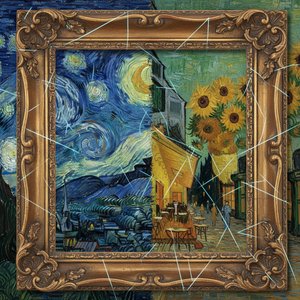
Uronite u svet Vincenta van Goga sa 25 remek-dela! Otkrijte priče iza slika, impresionistički stil i emotivne boje. Kvalitetne reprodukcije za dekoraciju enterijera dostupne na Most-Famous-Paintings.com. Istražite celu kolekciju online!
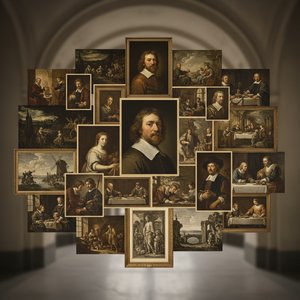
Uronite u svet Rembrandta van Rijna! Otkrijte 25 najlepših dela holandskog majstora – portrete, istorijske scene i biblijska platna. Kvalitetne reprodukcije slika za dekoraciju enterijera dostupne na Most-Famous-Paintings.com.

Journey through the Golden Age with our guide to the Top 10 Dutch Baroque masterpieces! Explore iconic paintings by Rembrandt, Vermeer & Frans Hals. Find museum-quality art reproductions and elevate your home decor at Most-Famous-Paintings.com.

Explore the life & work of Adriaen van Ostade, a leading Dutch Golden Age painter. Discover his realistic genre scenes, social commentary, and lasting influence on art history. Learn more at Most-Famous-Paintings.

Journey into the Early Netherlandish Renaissance! Explore 10 iconic paintings by Jan van Eyck, Rogier van der Weyden & more. Discover stunning detail, symbolism, and oil painting techniques. Find museum-quality art reproductions for your home at Most-Famous-Paintings.com.


Budite u toku sa najnovijim vestima o umetnosti, ekskluzivnim ponudama i idejama za dekoraciju.
Recite nam o vašem projektu i naši stručnjaci za umetnost će vam pružiti 3 personalizovana predloga umetničkih dela.
Dozvolite nam da odaberemo 3 opcije specijalno za Vas - Besplatno!


 Pregledaj u prostoru
 Pošalji
 Podeli
 Detalji o delu

 Преузми
 Slični predmeti
 Rendgenski snimak
 Slajdovi
 Pročitaj više







 Opcija sa staklom dostupna je samo za dimenzije manje od 110 cm


