


x

 EngravingWallArtNorthern Renaissance Printmaking
 1495
1495 570.0 x 389.0 cm
 Britanski muzej
Giclée štampa ili print na platnu muzejskog kvaliteta uz brzu proizvodnju i fleksibilne opcije završne obrade. ( Kupi ručno naslikanu sliku Kupi digitalnu sliku)





























Izaberite jednu od naših unapred definisanih veličina koje odgovaraju originalnim proporcijama umetničkog dela.

Možete uneti sopstvene dimenzije kako biste umetničko delo prilagodili specifičnom okviru ili prostoru. Ako odabrani format ne odgovara proporcijama originalne slike, mi ćemo ili iscrtati deo dela ili proširiti sliku pomoću ogledane ivice ili jednobojnog popunjavanja. Digitalni prikaz će vam biti poslat na odobrenje pre početka proizvodnje.
Imajte na umu da pregled na ekranu ne odražava stvarno iscrtavanje ili proširivanje. Samo će prikaz (mockup) precizno pokazati finalnu kompoziciju.
Iako su prilagođene dimenzije dostupne, preporučujemo da odaberete dimenziju sa unapred definisane liste kako biste očuvali originalne proporcije.
Dostava širom sveta () za 2 nedelje umesto uobičajenih 4/5 nedelja. (22 август)


Crucifixion
Dimenzije reprodukcije
Albrecht Dürer's "Crucifixion," executed in 1495, isn’t merely a depiction of a biblical scene; it’s a profound meditation on suffering, faith, and the human condition rendered with an almost unbearable intensity. This monumental engraving, measuring over five feet tall, immediately commands attention not just for its scale but for the sheer emotional weight packed into every meticulously etched line. Dürer, a pivotal figure in the Northern Renaissance, masterfully utilizes the constraints of printmaking to achieve a level of realism and psychological depth rarely seen in his time. The work transcends simple illustration, becoming a powerful testament to the artist’s skill and his deeply felt engagement with religious iconography.
Dürer's genius lies not just in his subject matter but in his extraordinary technical prowess. The engraving is executed primarily through two distinct techniques – drypoint and burin – a masterful combination that yields both velvety softness and razor-sharp precision. Drypoint, achieved by scratching directly into the metal plate, creates delicate, almost charcoal-like lines, lending an ethereal quality to the drapery and facial features. Simultaneously, the burin technique delivers crisp, defined outlines, particularly evident in the musculature of Christ’s body and the angularity of the surrounding figures. This duality allows Dürer to build up incredible tonal range – subtle gradations of gray suggesting texture, volume, and even the play of light on skin and fabric. The cross itself is a marvel of controlled line work, its geometric stability juxtaposed with the organic forms of the human bodies it supports.
The composition of “Crucifixion” adheres to traditional religious iconography while simultaneously imbuing the scene with a deeply personal resonance. Christ, centrally positioned on the cross, is not idealized; he’s depicted as a vulnerable, suffering figure – his body contorted in agony, his face etched with pain. Surrounding him are figures of profound grief: Mary, her head bowed in sorrow, and other mourners expressing a range of emotions—despair, lamentation, and quiet reverence. The angels, positioned above the scene, aren’t simply observers; they embody divine compassion and witness to this pivotal moment. Notably, a small dog is depicted at the base of the cross – a detail often interpreted as representing fidelity and loyalty, mirroring Christ's unwavering devotion. The distant landscape, rendered with a degree of atmospheric perspective, anchors the scene within a broader context of earthly suffering and spiritual longing.
Created during the height of the Northern Renaissance, “Cruifixion” reflects the era’s fascination with realism and humanism. Dürer's meticulous attention to anatomical detail—a hallmark of his work—was influenced by his study of classical art and his own keen observation of the human form. However, this realism is tempered by a profound sense of emotional intensity. The engraving wasn’t simply intended as a historical record; it was designed to evoke empathy and contemplation in the viewer. Dürer's exploration of grief, sacrifice, and redemption speaks directly to universal themes of mortality and faith—themes that continue to resonate powerfully with audiences today. This work serves as a poignant reminder of the enduring power of art to capture not just visual likeness but also the very essence of human experience.
Most-Famous-Paintings offers meticulously crafted hand-painted reproductions of this iconic masterpiece, allowing you to bring its profound beauty and emotional depth into your home or studio. Each reproduction is created by skilled artists using archival quality materials, ensuring that the spirit and integrity of Dürer’s original work are faithfully preserved for generations to come.


1471 - 1528 , Италија
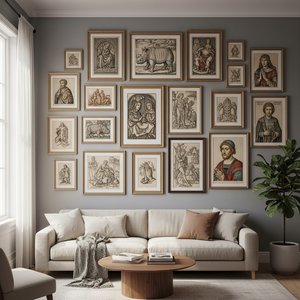
Explore 25 iconic artworks by Albrecht Dürer, a master of the German Renaissance. Discover the stories behind Melencolia I, Knight Death and Devil & more. Find museum-quality art reproductions for your home at Most-Famous-Paintings.com.
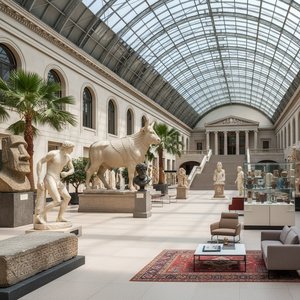
Otkrijte 25 remek-dela Britanskog muzeja u Londonu! Istražite priče iza slika, skulptura i antikvitetnih blaga. Inspiracija za dekoraciju enterijera & reprodukcije vrhunskog kvaliteta na Most-Famous-Paintings.com.

Journey through art history with our Top 10 Legendary Engravings! Explore masterpieces by Dürer, Rembrandt & Goya. Discover the stories behind these iconic prints and find museum-quality reproductions for your home at Most-Famous-Paintings.com.

Explore the life & art of Albrecht Dürer, a pivotal German Renaissance master. Discover his groundbreaking printmaking techniques, iconic self-portraits, and lasting influence on Western art history. A deep dive into innovation & symbolism.

Explore the rich history of engraving with Most-Famous-Paintings. Discover techniques, iconic artists like Dürer & Callot, collecting tips, and expert guidance for preserving your art investment. Learn about intaglio printing & more!


Budite u toku sa najnovijim vestima o umetnosti, ekskluzivnim ponudama i idejama za dekoraciju.
Recite nam o vašem projektu i naši stručnjaci za umetnost će vam pružiti 3 personalizovana predloga umetničkih dela.
Dozvolite nam da odaberemo 3 opcije specijalno za Vas - Besplatno!


 Pregledaj u prostoru
 Pošalji
 Podeli
 Detalji o delu

 Преузми
 Slični predmeti
 Rendgenski snimak
 Slajdovi
 Pročitaj više







 Opcija sa staklom dostupna je samo za dimenzije manje od 110 cm


