x


 Kupi štampu Kupi digitalnu sliku
 Pošalji
 Detalji o delu
 Dodaj u omiljene
 Преузми
 Slični predmeti
 Rendgenski snimak
 Slajdovi
Ručno oslikano uljanim bojama na platnu u dimenzijama i okviru po vašem izboru, izrađeno po porudžbini od strane naših umetnika.





























Izaberite jednu od naših unapred definisanih veličina koje odgovaraju originalnim proporcijama umetničkog dela.

Можете унети сопствене димензије како бисте прилагодили дело одређеном оквиру или простору. Ако одабрана величина не одговара пропорцијама оригинала, слика ће бити исечена или проширена додатним елементима који се ручно насликавају. Дигитални prikaz ће вам бити послат на одобрење пре почетка производње.
Имајте на уму да преглед на екрану не одражава стварно исецање или проширење. Само приказ (mockup) ће тачно приказати коначну композицију.
Иако су доступне прилагођене величине, препоручујемо да одаберете димензију из дефинисане листе како бисте сачували оригиналне пропорције.
Isporuka širom sveta () za 3/4 nedelje umesto uobičajenih 5 nedelja. (18 јул). Bez kompromisa po pitanju kvaliteta.


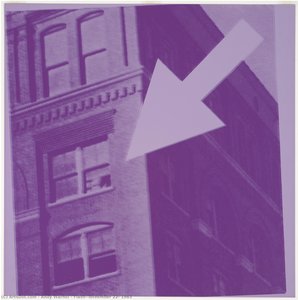
Flash--November 22, 1963
Dimenzije reprodukcije
Andy Warhol’s ‘Flash—November 22, 1963’ isn't simply a depiction of the assassination of President John F. Kennedy; it’s a meticulously crafted distillation of the national shockwave that reverberated through America in the days and weeks following that tragic event. Created in 1968, five years after the shooting, this series transcends a straightforward memorial – instead, it offers a chillingly accurate portrait of how a nation grappled with trauma through the relentless lens of mass media. Warhol, a master of capturing the zeitgeist, doesn’t offer solace or sentimentality; he presents us with the raw, unsettling packaging of grief itself, forcing a confrontation with the uncomfortable reality of desensitization and the power of image to shape our collective memory.
Warhol's genius lies in his deliberate rejection of traditional artistic conventions. He didn’t aim for a heroic portrayal or a solemn elegy. Instead, he meticulously reproduced the visual cacophony that saturated American news outlets and television screens – campaign posters, newspaper photographs, advertisements, even the gun used in the assassination. Eleven screenprints, each a variation on this theme, create a dizzying effect, mirroring the relentless replay of images that consumed public attention. The repetition inherent in the silkscreen process amplifies this disorientation, transforming the artwork into an almost hypnotic loop – a haunting echo of that fateful day and a stark commentary on our susceptibility to constant visual stimulation.
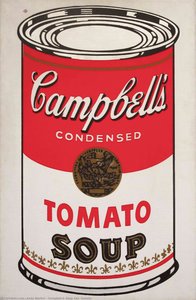
The creation of ‘Flash—November 22, 1963’ was particularly audacious for the Pop Art movement, which had largely focused on celebrating consumer culture and celebrity iconography. While Warhol was already a champion of mass-produced imagery – his iconic Campbell's Soup cans and Coca-Cola prints demonstrated a fascination with the ordinary objects of everyday life – this series plunged into a far darker territory. It challenged the very definition of art, questioning whether aesthetic beauty could truly be divorced from profound human experience. The work’s unsettling juxtaposition of Kennedy’s image with those of Lee Harvey Oswald and the gun forces viewers to confront uncomfortable truths about violence, loss, and the manipulative power of media. It's a deliberate provocation, demanding engagement rather than passive admiration.
Warhol’s technique is central to the work’s impact. The use of silkscreen printing – a method typically associated with commercial illustration and advertising – lends an almost mechanical quality to the images, further emphasizing their status as mass-produced representations. Each print is created through multiple layers of ink applied through a stencil, resulting in vibrant colors and sharp details that belie the work’s profound emotional weight. The deliberate fragmentation of the imagery—the overlapping portraits, the distorted perspectives—creates a sense of instability and unease, mirroring the psychological state of a nation grappling with trauma. The series is a testament to Warhol's mastery of technique and his ability to transform tragedy into a powerful visual statement.
'Flash—November 22, 1963’ remains profoundly relevant today, in an age saturated with information and increasingly reliant on visual media. Warhol's work serves as a potent reminder of the dangers of passive consumption and the erosion of genuine emotional connection. Owning a reproduction of this iconic series isn't simply acquiring a piece of art history; it’s inviting a dialogue about memory, media, and the enduring impact of tragedy – a conversation that feels increasingly urgent in our rapidly changing world. It is a powerful statement on how images shape our understanding of reality and the responsibility we bear as consumers of information.

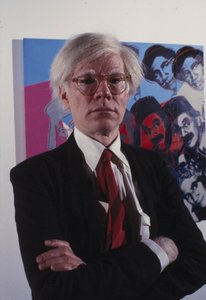
1928 - 1987 , Sjedinjene Američke Države
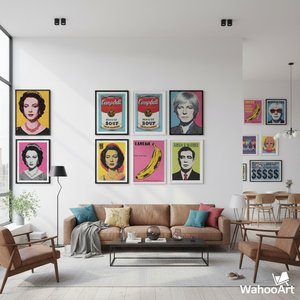
Istražite 25 remek-dela Endija Vorhola i uronite u svet pop arta! Otkrijte priče iza ikoničnih slika, tehnike serigrafije i revolucionarnu viziju ovog američkog umetnika. Kvalitetne reprodukcije na Most-Famous-Paintings.com.
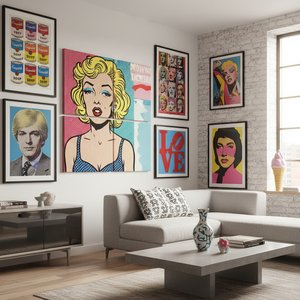
Otkrijte 10 remek dela koja su definisala pop art pokret! Istražite Andy Warhol, Roy Lichtenstein i druge legende. Saznajte priče iza ikoničnih slika i inspirisanje za vaš dom. Kvalitetne reprodukcije na Most-Famous-Paintings.com – ispunite svoj prostor umetnošću!

Uronite u svet 25 remek-dela Metropoliten muzeja! Otkrijte priče Van Goga, Monēa i drugih majstora. Reprodukcije slika vrhunskog kvaliteta za vaš dom. Inspiracija & dekoracija enterijera na Most-Famous-Paintings.com
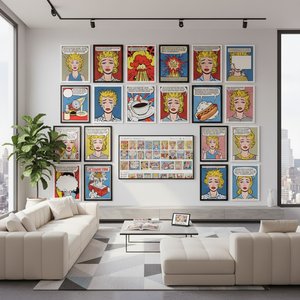
Istražite 25 najpoznatijih dela Roja Lichtenštajna! Otkrijte priče iza pop art ikona, bend-dots tehniku i živopisne boje. Reprodukcije slika vrhunskog kvaliteta za vaš dom na Most-Famous-Paintings.com.

Explore the fascinating history of Pop Art, from its rebellious origins to its enduring influence on contemporary artists. Discover key figures like Warhol & Lichtenstein and learn about collecting this iconic movement.


Budite u toku sa najnovijim vestima o umetnosti, ekskluzivnim ponudama i idejama za dekoraciju.
Recite nam o vašem projektu i naši stručnjaci za umetnost će vam pružiti 3 personalizovana predloga umetničkih dela.
Dozvolite nam da odaberemo 3 opcije specijalno za Vas - Besplatno!


 Podeli


 Pročitaj više







 Opcija sa staklom dostupna je samo za dimenzije manje od 110 cm