x


Giclée štampa ili print na platnu muzejskog kvaliteta uz brzu proizvodnju i fleksibilne opcije završne obrade. ( Pređite na ručno oslikano umetničko delo Prebacite na sliku)





























Izaberite jednu od naših unapred definisanih veličina koje odgovaraju originalnim proporcijama umetničkog dela.

Možete uneti sopstvene dimenzije kako biste umetničko delo prilagodili specifičnom okviru ili prostoru. Ako odabrani format ne odgovara proporcijama originalne slike, mi ćemo ili iscrtati deo dela ili proširiti sliku pomoću ogledane ivice ili jednobojnog popunjavanja. Digitalni prikaz će vam biti poslat na odobrenje pre početka proizvodnje.
Imajte na umu da pregled na ekranu ne odražava stvarno iscrtavanje ili proširivanje. Samo će prikaz (mockup) precizno pokazati finalnu kompoziciju.
Iako su prilagođene dimenzije dostupne, preporučujemo da odaberete dimenziju sa unapred definisane liste kako biste očuvali originalne proporcije.
Dostava širom sveta () za 2 nedelje umesto uobičajenih 4/5 nedelja. (30 јул)


Jackie Kennedy III
Dimenzije reprodukcije
Andy Warhol's 1966 silkscreen, “Jackie Kennedy III,” isn’t merely a portrait; it’s a distilled moment of profound grief and enduring iconicity. Born from a series of photographs taken by Fred Ward documenting Jacqueline Kennedy’s demeanor in the immediate aftermath of President John F. Kennedy’s assassination, the work transcends simple documentation to become a powerful meditation on loss, celebrity, and the relentless gaze of the media. Warhol, ever attuned to the cultural currents swirling around him, seized upon this raw, unfiltered image – a woman grappling with unimaginable sorrow – and transformed it into one of his signature Pop Art statements. The stark black and white palette, devoid of the vibrant hues typically associated with Warhol’s oeuvre, immediately establishes a somber tone, mirroring the gravity of the subject matter.

Warhol’s genius lies in his deliberate appropriation of existing imagery. He didn't attempt to recreate a glamorous portrait; instead, he meticulously cropped the original Life magazine photographs, isolating Jacqueline Kennedy’s face – a mask of controlled grief – against a stark, uniform background. This reduction strips away any extraneous detail, forcing the viewer to confront the raw emotion etched onto her features. The photograph itself is laden with symbolism: Kennedy's posture, her slightly downturned mouth, and the subtle furrow in her brow all speak volumes about the trauma she endured. The choice of this particular image – a moment captured just days after the assassination – immediately anchors the work within a specific historical context, transforming it into a poignant memorial.
Furthermore, the repetition inherent in Warhol’s silkscreen process—the creation of multiple identical prints from a single screen—underscores the relentless nature of media coverage and the commodification of grief. Each print becomes a fragment of a larger narrative, contributing to the overwhelming sense of public mourning that followed Kennedy's death.
Despite the intensely personal subject matter, “Jackie Kennedy III” embodies many of the hallmarks of Warhol’s artistic style. The silkscreen technique—a process involving transferring ink through a stencil onto paper—yields an incredibly smooth, almost photographic surface. This precision contrasts sharply with the emotional weight of the image, creating a disquieting tension. The flat planes of color and the absence of brushstrokes contribute to the work’s detached, almost clinical quality, mirroring Warhol's fascination with mass production and consumer culture. Yet, beneath this industrial veneer lies a profound sensitivity to human experience – a willingness to confront difficult emotions through the lens of popular imagery.
“Jackie Kennedy III” remains a hauntingly beautiful and intellectually stimulating work. It’s not simply a portrait; it's a cultural artifact that captures a pivotal moment in American history, reflecting both the tragedy of loss and the enduring power of celebrity. Warhol’s ability to distill such complex emotions into a single image is a testament to his artistic vision—a vision that continues to resonate with viewers today. Reproductions of this iconic piece offer a unique opportunity to engage with this powerful work of art, bringing its somber elegance into any space and prompting reflection on the enduring legacy of Jackie Kennedy and the ever-present influence of media on our collective consciousness.

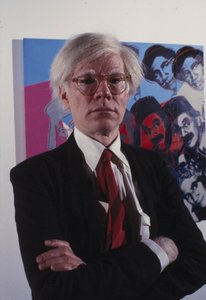
1928 - 1987 , Sjedinjene Američke Države
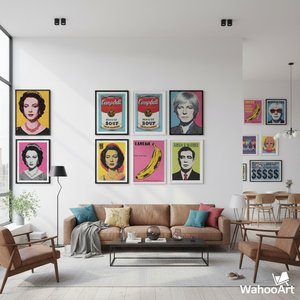
Istražite 25 remek-dela Endija Vorhola i uronite u svet pop arta! Otkrijte priče iza ikoničnih slika, tehnike serigrafije i revolucionarnu viziju ovog američkog umetnika. Kvalitetne reprodukcije na Most-Famous-Paintings.com.

Uronite u svet 25 remek-dela Metropoliten muzeja! Otkrijte priče Van Goga, Monēa i drugih majstora. Reprodukcije slika vrhunskog kvaliteta za vaš dom. Inspiracija & dekoracija enterijera na Most-Famous-Paintings.com
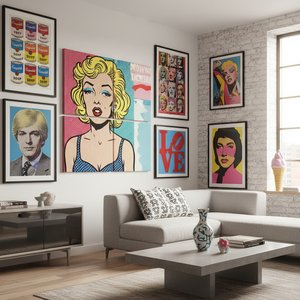
Otkrijte 10 remek dela koja su definisala pop art pokret! Istražite Andy Warhol, Roy Lichtenstein i druge legende. Saznajte priče iza ikoničnih slika i inspirisanje za vaš dom. Kvalitetne reprodukcije na Most-Famous-Paintings.com – ispunite svoj prostor umetnošću!

Explore 10 iconic portrait paintings – from Mona Lisa to Van Gogh’s self-portraits. Discover the stories behind these masterpieces, artistic techniques & find museum-quality art reproductions for your home at Most-Famous-Paintings.com.
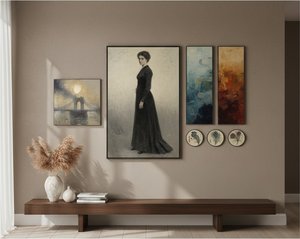
Istražite 25 remek-dela Džemsa Abota MekNila Whistler-a! Uronite u svet Tonalizma, portreta i prelepog pejzaža. Kupite vrhunske reprodukcije slika na Most-Famous-Paintings.com i obogatite svoj enterijer luksuznom umetnošću.


Budite u toku sa najnovijim vestima o umetnosti, ekskluzivnim ponudama i idejama za dekoraciju.
Recite nam o vašem projektu i naši stručnjaci za umetnost će vam pružiti 3 personalizovana predloga umetničkih dela.
Dozvolite nam da odaberemo 3 opcije specijalno za Vas - Besplatno!


 Pregledaj u prostoru
 Pošalji
 Podeli
 Detalji o delu

 Преузми
 Slični predmeti
 Rendgenski snimak
 Slajdovi

 Pročitaj više







 Opcija sa staklom dostupna je samo za dimenzije manje od 110 cm