


x

 Preview
 Kupi štampu Naručite reprodukciju
 Pošalji
 Detalji o delu
 Dodaj u omiljene
 Преузми
 Slični predmeti
 Rendgenski snimak
 Slajdovi
Kupite digitalnu sliku visoke rezolucije i poboljšanog kvaliteta, koja je znatno superiornija od onoga što vidite u online prikazu.
Svaka datoteka je pedantno pripremljena od strane naših stručnjaka koristeći napredne alate i profesionalnu ručnu retušu. Osiguravamo da svaka slika ima izuzetnu oštrinu, preciznu reprodukciju boja i fine detalje.
Konačna datoteka se dostavlja putem e-pošte u roku od 72 sata, optimizovana za neposrednu upotrebu u profesionalnim, izdavačkim i štamparskim okruženjima. To je isti kvalitet kojem veruju vrhunski studiji dizajna, izdavači i galerije.
Preuzmite datoteku visoke rezolucije za ličnu upotrebu, štampanje i kreativne projekte.
Kada odaberete Most-Famous-Paintings.com, ne dobijate samo sliku – vi primate profesionalno unapređeno digitalno umetničko delo, izrađeno sa najvećom preciznošću i uz garanciju zadovoljstva. Evo svega što automatski dolazi uz vašu porudžbinu:

Vaša digitalna slika visoke rezolucije biće vam poslata putem e-pošte u roku od 72 sata od poručivanja – spremna za trenutnu upotrebu.

Vaše umetničko delo je profesionalno optimizovano korišćenjem naprednih AI alata i ručne obrade, čime se osiguravaju maksimalni detalji, oštrina i preciznost boja.

Slučajno ste obrisali ili izgubili svoju datoteku? Ne brinite – poslaćemo vam je ponovo u bilo kom trenutku, potpuno besplatno.

Uživajte u svojim umetničkim delima trenutno, bez carine, dažbina ili troškova dostave – digitalni download je uvek bez poreza.

Uz pomoć profesionalnih alata i upravljanja bojama, osiguravamo da vaša digitalna slika što vernije odražava originalne boje.

Ako niste zadovoljni svojom digitalnom slikom, revidirat ćemo je ili vratiti 100% novca u roku od 60 dana – bez ikakvih pitanja.

Niste zadovoljni? Obezbedite pun povrat novca u roku od 60 dana od trenutka kada ste primili svoju digitalnu datoteku – bez suvišnih pitanja.

Kupite 3 slike, uštedite 10% - Kupite 5 slika, uštedite 15% - Kupite 10+ slika, uštedite 20%. Odlično za kreativne projekte, galerije i agencije.
Andy Warhol's ‘Mao 91’, part of his larger 1972 series, is far more than just a portrait; it’s a seismic cultural statement. Emerging from the backdrop of shifting geopolitical landscapes and burgeoning Pop Art sensibilities, this screenprint boldly confronts notions of celebrity, power, and mass production. The image itself—a close-up of Mao Zedong's face rendered in striking shades of yellow and pink against a vibrant red background—immediately commands attention. It’s an appropriation of official propaganda, stripped of its intended reverence and recast through Warhol’s signature lens of cool detachment. The choice to focus on Mao, a figure largely inaccessible and mysterious to Western audiences at the time, was deliberately provocative. The slight distortion and repetition inherent in the screenprinting process further destabilize the image, preventing it from becoming a straightforward glorification.
Warhol’s embrace of silkscreen printing wasn't merely a stylistic choice; it was integral to his artistic philosophy. Having honed his skills in commercial illustration, he understood the power of reproduction and its ability to democratize imagery. The screenprint process, with its inherent mechanical quality, perfectly mirrored the mass-produced nature of consumer culture that Warhol so keenly observed and documented. In ‘Mao 91’, this technique takes on an added layer of meaning. By replicating Mao’s image—an icon meticulously crafted by a totalitarian regime—Warhol subtly critiques the very mechanisms of control and manipulation inherent in propaganda. The slight imperfections, the variations in color density, all serve to undermine the authority of the original portrait, transforming it into a commodity, another object for consumption within the burgeoning art market.
The early 1970s were a period of dramatic change. President Nixon’s historic visit to China in 1972—a watershed moment that began to thaw decades of Cold War hostility—provided the immediate impetus for Warhol's series. However, the work also reflects broader anxieties about American political culture and the pervasive influence of media imagery. Warhol wasn’t necessarily making a political statement *about* Mao or China; rather, he was using Mao as a symbol – a readily recognizable face to explore themes of power, celebrity, and the blurring lines between art and commerce. He saw parallels between the cult of personality surrounding Mao and the idolization of Hollywood stars, suggesting that both were products of carefully constructed narratives and mass dissemination. The vibrant color palette—a departure from the more somber tones typically associated with political imagery—further emphasizes this sense of detachment and ironic commentary.
‘Mao 91’ continues to resonate today because it taps into fundamental questions about image, power, and perception. The work challenges us to consider how images are constructed, circulated, and ultimately consumed. It's a reminder that even the most seemingly authoritative representations can be deconstructed and recontextualized. For interior designers, a reproduction of ‘Mao 91’ offers a bold statement piece—a conversation starter that injects a dose of intellectual energy into any space. Its striking colors and iconic imagery make it a versatile addition to both contemporary and modern settings. More than just an aesthetic object, Warhol's 'Mao 91' is a potent symbol of the 20th century’s complex relationship with politics, celebrity, and the ever-expanding reach of mass media.
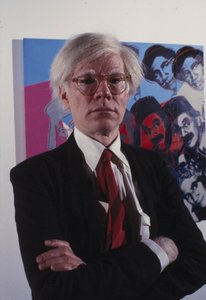
1928 - 1987 , Sjedinjene Američke Države


Budite u toku sa najnovijim vestima o umetnosti, ekskluzivnim ponudama i idejama za dekoraciju.
Recite nam o vašem projektu i naši stručnjaci za umetnost će vam pružiti 3 personalizovana predloga umetničkih dela.
Dozvolite nam da odaberemo 3 opcije specijalno za Vas - Besplatno!


 Podeli


 Pročitaj više


