


x

Ručno oslikano uljanim bojama na platnu u dimenzijama i okviru po vašem izboru, izrađeno po porudžbini od strane naših umetnika. ( Kupi print Kupi digitalnu sliku)





























Izaberite jednu od naših unapred definisanih veličina koje odgovaraju originalnim proporcijama umetničkog dela.

Можете унети сопствене димензије како бисте прилагодили дело одређеном оквиру или простору. Ако одабрана величина не одговара пропорцијама оригинала, слика ће бити исечена или проширена додатним елементима који се ручно насликавају. Дигитални prikaz ће вам бити послат на одобрење пре почетка производње.
Имајте на уму да преглед на екрану не одражава стварно исецање или проширење. Само приказ (mockup) ће тачно приказати коначну композицију.
Иако су доступне прилагођене величине, препоручујемо да одаберете димензију из дефинисане листе како бисте сачували оригиналне пропорције.
Isporuka širom sveta () za 3/4 nedelje umesto uobičajenih 5 nedelja. (19 август). Bez kompromisa po pitanju kvaliteta.


Danaë
Dimenzije reprodukcije
U tihim, zasenčivim dubinama Danae Artemizije Đentileski, pronalazi se mnogo više od obične scene iz antike; susrećemo se sa visceralnim majstorskim prikazom baroknih emocija. Naslikano oko 1612. godine, kada je umetnica bila tek cvetajući čudo od devetnaest godina, ovo delo ulja na bakru beleži precizan trenutak u kojem se mit prepliće sa opipljivom stvarnošću ljudskog opažanja. Slika prikazuje argovsku princezu Danae, položenju u stanju duboke ranjivosti i prijemljivosti, dok Zevs silazi na nju ne kao grom, već kao nežna, svetlucava kiša zlata. To je kompozicija koja diše životom, pozivajući posmatrača u intimnu odaju gde se granice između božanskog i smrtnog rastapaju usred sjaja plemenitog metala i meke, pokosne kože.
Tehnička virtuoznost Đentileski je ništa manje nego zadivljujuća, naročito u njenoj sposobnosti da manipuliše svetlošću kroz dramatičnu tehniku kjaroskura. Pod uticajem revolucionarnog realizma Karavaja, ona koristi oštre kontraste kako bi iz tame izigrala figure. Svetlost ne osvetljava samo; ona miluje. Ona hvata zlatne niti Danaeine kose dok se prelivaju preko njenog ramena i odsjajuje se na rasutim metalnim novčićima koji simbolizuju božansku intervenciju Zevsa. Ova pedantna pažnja posvećena teksturi—teški, raskošni nabori prekrivača kreveta, hladni sjaj bakrene podloge i toplina kože—stvara senzorno iskustvo toliko bogato da se gotovo može osetiti težina zlata koje pada na princezu.
Pored svog vizuelnog sjaja, Danae nosi duboku psihološku težinu. Narativ, ukorenjen u Ovidijevim Metamorfozama, govori o zatočeništvu i sudbini. Danae je zatvorio njen otac, kralj Akrisije, kako bi sprečio proročanstvo da će njen sin dovesti do njegove smrti. Ipak, kroz čudesnu transformaciju Zevsa, ona postiže trijumf nad svojim zemaljskim okovima. U njenom izrazu lice je prikazana suptilna, moćna svesnost; iako deluje opušteno, u njenom predaji božanskom prepoznatljiva je skrivena snaga. Za modernog kolekcionara ili ljubitelja umetnosti, ova slika nudi upečatljivu studiju otpornosti i transformativne moći sudbine.
Za one koji žele da integrišu ovakvo remek-delo u pažljivo odabrani prostor, Danae služi kao veličanstvena centralna tačka. Njene duboke, melanholične nijanse i blistavi svetli delovi poseduju jedinstvenstvo sposobnost da usidre prostoriju, pružajući i osećaj istorijske težine i luksuznu estetiku. Bilo da je postavljena u sofisticiranu radnu sobu ili u raskošni dnevni boravak, ova reprodukcija sa sobom donosi duh italijanskog baroka—perioda koji definišu drama, pokret i neustrašivo prihvatanje lepote. To nije samo dekoracija, već poziv na kontemplaciju večnog plesa svetlosti i senke, kao i trajnog nasleđa jedne od najstrašnijih umetnica u istoriji.
Artemisia Gentileschi’s name echoes through the halls of art history, resonating not simply as that of a painter, but as an emblem of resilience, defiance, and extraordinary artistic talent in a world determined to silence female voices. Born in Rome in 1593, she entered a milieu steeped in artistry—her father, Orazio Gentileschi, was a respected painter deeply influenced by the revolutionary realism of Caravaggio. From her earliest years, Artemisia’s gift was undeniable, nurtured within her father's workshop where she absorbed techniques of composition and the dramatic use of light and shadow that would become hallmarks of her distinctive style. This formative training wasn’t merely about mastering brushstrokes; it was an immersion into a world of artistic ambition, one typically closed to women.
Gentileschi's artistic development was profoundly shaped by Caravaggio’s tenebrism—the stark contrast between light and darkness that imbued his paintings with an intense emotionality. Yet, she didn’t simply mimic her father or Caravaggio; she forged her own unique voice, characterized by a raw psychological depth and a compelling focus on female subjects often depicted with unprecedented agency and strength. Even in her early works, like *Susanna and the Elders* (1610), a biblical scene depicting Susanna being spied upon by two lecherous old men, Artemisia’s interpretation diverges from traditional portrayals. Here, Susanna isn't passively vulnerable; she displays a quiet dignity and resistance, foreshadowing the powerful female figures that would dominate her later oeuvre. But it is *Judith Slaying Holofernes* (existing in multiple versions between 1614-1620) that cemented her reputation as a master of dramatic narrative and psychological realism. The painting isn’t merely a depiction of violence; it's an exploration of courage, determination, and the righteous fury of a woman defending her people. The visceral intensity, the unflinching portrayal of the act itself, shocked and captivated audiences then—and continues to do so today. Other notable works like *Judith and Her Maidservant* (1625) and *Danaë* (c. 1636-1639) further demonstrate her evolving style, showcasing both vulnerability and power in her female protagonists. Her ability to render flesh with such realism, combined with a masterful use of chiaroscuro, created scenes that were both terrifying and deeply moving.
Artemisia’s life was irrevocably altered by a horrific event: her rape at the hands of Agostino Tassi, a fellow painter and colleague of her father. The ensuing trial (1611-1612) became a public spectacle, subjecting Artemisia to grueling questioning and societal scrutiny. While she bravely testified against Tassi, the proceedings were marred by bias and attempts to discredit her character. This trauma profoundly impacted her life and art, imbuing her work with an emotional intensity that some scholars believe is directly linked to her personal experiences. The trial itself became a symbol of the challenges faced by women seeking justice in a patriarchal society. Despite this ordeal, Artemisia refused to be defined by it. She continued to paint, moving between Rome, Florence, and Naples, establishing herself as a successful artist in her own right. In 1616, she achieved another milestone: becoming the first woman admitted to the Accademia di Arte del Disegno in Florence—a testament to her talent and perseverance.
Artemisia Gentileschi’s career spanned decades, marked by both artistic innovation and personal resilience. She worked for prominent patrons, including the Medici family, and established a thriving workshop, proving that women could not only excel as artists but also succeed in a traditionally male-dominated profession. For centuries, her work was often overshadowed by the circumstances of her life, viewed through the lens of scandal rather than artistic merit. However, beginning in the 20th century, there has been a significant reevaluation of her art, recognizing her as one of the most important and innovative painters of the Baroque period. Her paintings are now celebrated for their emotional depth, dramatic realism, and powerful depictions of women—not as passive objects but as active agents in their own narratives. Artemisia Gentileschi is more than just an artist; she’s a feminist icon, a trailblazer who defied societal expectations and left behind a legacy that continues to inspire generations. Her story serves as a potent reminder of the importance of recognizing and celebrating the contributions of women throughout history—and of ensuring that their voices are never silenced again. She painted not just with her hands, but with her soul, leaving an indelible mark on the world of art.
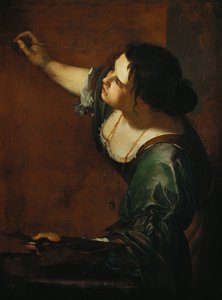
1593 - 1656 , Италија
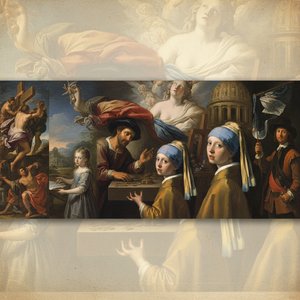
Otkrijte 10 remek dela koja su definisala baroknu umetnost! Karavagio, Bernini i više – istražite priče iza ovih ikoničnih slika. Inspiracija za vaš dom? Pogledajte kolekciju na Most-Famous-Paintings.com!

Explore the profound resurgence of female masters Artemisia Gentileschi and Berthe Morisot. Discover how their revolutionary use of light, shadow, and intimacy redefined art history and continues to inspire sophisticated modern collections.

Explore the dramatic world of Baroque art! Discover iconic artists like Caravaggio & Rubens, defining techniques, and its lasting impact on art history. Expert insights for collectors & enthusiasts at Most-Famous-Paintings.

Explore the dramatic world of Baroque art! Discover its history, defining characteristics, & lasting influence on painting & sculpture. Expert insights into Caravaggio, Zurbarán, and Bernini – plus high-quality reproductions at Most-Famous-Paintings.

Journey through Baroque painting's glory! Explore 10 masterpieces by Caravaggio, Rembrandt & Vermeer. Discover dramatic lighting, rich colors & timeless stories. Find museum-quality art reproductions for your home at Most-Famous-Paintings.com.


Budite u toku sa najnovijim vestima o umetnosti, ekskluzivnim ponudama i idejama za dekoraciju.
Recite nam o vašem projektu i naši stručnjaci za umetnost će vam pružiti 3 personalizovana predloga umetničkih dela.
Dozvolite nam da odaberemo 3 opcije specijalno za Vas - Besplatno!


 Pregledaj u prostoru
 Pošalji
 Podeli
 Detalji o delu

 Преузми
 Slični predmeti
 Rendgenski snimak
 Slajdovi


 Pročitaj više







 Opcija sa staklom dostupna je samo za dimenzije manje od 110 cm


