


x

 Naručite reprodukciju Kupi digitalnu sliku
 Pošalji
 Detalji o delu
 Dodaj u omiljene
 Преузми
 Slični predmeti
 Rendgenski snimak
 Slajdovi
Giclée štampa ili print na platnu muzejskog kvaliteta uz brzu proizvodnju i fleksibilne opcije završne obrade.
Izaberite jednu od naših unapred definisanih veličina koje odgovaraju originalnim proporcijama umetničkog dela.

Možete uneti sopstvene dimenzije kako biste umetničko delo prilagodili specifičnom okviru ili prostoru. Ako odabrani format ne odgovara proporcijama originalne slike, mi ćemo ili iscrtati deo dela ili proširiti sliku pomoću ogledane ivice ili jednobojnog popunjavanja. Digitalni prikaz će vam biti poslat na odobrenje pre početka proizvodnje.
Imajte na umu da pregled na ekranu ne odražava stvarno iscrtavanje ili proširivanje. Samo će prikaz (mockup) precizno pokazati finalnu kompoziciju.
Iako su prilagođene dimenzije dostupne, preporučujemo da odaberete dimenziju sa unapred definisane liste kako biste očuvali originalne proporcije.
Dostava širom sveta () za 2 nedelje umesto uobičajenih 4/5 nedelja. (22 јул)


Triptych
Dimenzije reprodukcije
To stand before this magnificent triptych is to step directly into the hushed, sacred atmosphere of a late Gothic chapel. This work, dating from 1460, is not merely a painting; it is a devotional portal, crafted with painstaking reverence for the divine narrative. The structure itself—the three hinged panels—invites an intimate viewing experience, suggesting that the viewer must physically open the piece to reveal its full spiritual scope. At its heart lies the central panel, where the Virgin Mary cradles the infant Jesus Christ, surrounded by celestial attendants and saints whose gazes seem to follow the eye across centuries of faith.
The technical brilliance evident in this piece speaks volumes about the skill of its creator. Executed in tempera on wood panels, the medium lends a characteristic luminosity and permanence to the colors. One can almost feel the subtle texture of the aged wood beneath the vibrant pigments. Observe the meticulous rendering of the drapery; the folds of the garments are not simply painted but seem to possess weight and life, catching the light as if they were woven from silk and prayer. The attention paid to every detail, from the delicate wings of the surrounding angels to the rich embroidery on the saints' vestments, speaks to an era where art was considered a form of sacred labor.
The narrative complexity is breathtaking. On the left wing, St. John the Baptist stands in contemplative repose, his traditional attire and the presence of the lamb serving as potent symbols of innocence and prophecy. The right panel offers a contrasting scene, perhaps within the cool embrace of a cloister, where another saint engages in deep study from a manuscript, suggesting the enduring power of scripture and contemplation. These flanking scenes do not merely decorate; they frame the central mystery—the Incarnation—with supporting pillars of Christian virtue: prophecy, devotion, and wisdom. The pointed Gothic arches framing each section further anchor the piece within an architectural vocabulary that speaks of heavenly aspiration.
This triptych belongs to a period when religious art served as both high art and essential teaching tool for the faithful. It captures the profound piety characteristic of the late Gothic era, a time deeply invested in personal spiritual experience. While the artist's hand may have been guided by the traditions of masters like Bartolomeo Vivarini, the emotional resonance is universal. For the modern collector or designer, owning such a reproduction offers more than mere decoration; it provides an immediate connection to the deep currents of European spirituality and artisanal excellence.

Ime Fra Angelika – Guido di Pietro – priziva sliku spokojne, kontemplativne figure, i zaista, domenikanski fril koji je nosio ovo zvanje bio je jedan od najdublje duhovnih umetnika italijanske renesanse. Rođen oko 1395. godine u regiji Mugello u Toskani, njegov život se neprestano preplitao sa njegovom umetnošću, stvarajući korpus dela koji i danas odjekuje svojom eteričnom lepotom i duboko prožetim pobožnostju. Za razliku od mnogih svojih savremenika koji su tražili pokroviteljstvo kod bogatih trgovačkih porodica ili moćnih dvora, Angelikov primarni odnos bio je vezan za zidove manastira San Domenico u Fiesole, gde je služio kao monah skoro četrdeset godina. Ovaj jedinstveni kontekst duboko je oblikovao njegovu umetničku viziju, prožimajući svaki potez četkicom osećajem posvećenosti i čežnjom za božanskim.
predAngelikovo rano obrazovanje ostaje donekle obavijeno misterijom, mada se široko veruje da je bio šegrt Lorenza Monaca, istaknutog florentinskog slikara poznatog po svom rafiniranom stilu i pedantnoj pažnji posvećenoj detaljima. Međutim, Angelico je brzo nadmašio svog učitelja, razvijajući poseban pristup koji karakteriše izuzetna sposobnost prikazivanja prirodnih formi sa gotovo fotografskim realizmom, dok ih je istovremeno uzdizao u carstvo duhovnog značaja. Ova sinteza je posebno evidentna u fragmentima pronađenim u Liber Sacrae Familiares, koralnom knjigama naručenoj za San Domenico, koje nude zavodljive uvide u njegov umetnički proces i stilsku evoluciju.

1440 - 1499 , Italija

Explore the spiritual intensity & architectural innovation of Gothic art! Discover the symbolism behind cathedrals, stained glass & master artists like Giotto and Monet. A deep dive into medieval history & artistic expression.

Explore the exquisite beauty & spiritual depth of International Gothic art. Discover key artists like Simone Martini & Pol de Limbourg, its origins, symbolism, and lasting influence on European painting. Expert insights at Most-Famous-Paintings.
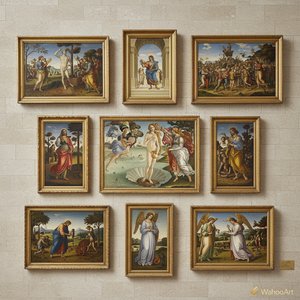
Otkrijte 10 remek dela koje su obeležile ranu renesansu! Leonardo, Michelangelo, Rafael... Uronite u priče iza ovih umetničkih dragulja i inspirisanje za vaš dom. Kvalitetne reprodukcije na Most-Famous-Paintings.com – istražite celu kolekciju online!

Journey into the Early Netherlandish Renaissance! Explore 10 iconic paintings by Jan van Eyck, Rogier van der Weyden & more. Discover stunning detail, symbolism, and oil painting techniques. Find museum-quality art reproductions for your home at Most-Famous-Paintings.com.

Most-Famous-Paintings.com – stručni vodič za izbor umetnosti! Pronađite savršene reprodukcije, personalizovane portrete i ekskluzivne uljane slike. Izaberite stil koji odgovara Vašoj kolekciji i pretvorite svoj prostor u galeriju.


Budite u toku sa najnovijim vestima o umetnosti, ekskluzivnim ponudama i idejama za dekoraciju.
Recite nam o vašem projektu i naši stručnjaci za umetnost će vam pružiti 3 personalizovana predloga umetničkih dela.
Dozvolite nam da odaberemo 3 opcije specijalno za Vas - Besplatno!


 Podeli


 Pročitaj više




































 Opcija sa staklom dostupna je samo za dimenzije manje od 110 cm


