x

Giclée štampa ili print na platnu muzejskog kvaliteta uz brzu proizvodnju i fleksibilne opcije završne obrade. ( Kupi ručno naslikanu sliku Kupi digitalnu sliku)





























Izaberite jednu od naših unapred definisanih veličina koje odgovaraju originalnim proporcijama umetničkog dela.

Možete uneti sopstvene dimenzije kako biste umetničko delo prilagodili specifičnom okviru ili prostoru. Ako odabrani format ne odgovara proporcijama originalne slike, mi ćemo ili iscrtati deo dela ili proširiti sliku pomoću ogledane ivice ili jednobojnog popunjavanja. Digitalni prikaz će vam biti poslat na odobrenje pre početka proizvodnje.
Imajte na umu da pregled na ekranu ne odražava stvarno iscrtavanje ili proširivanje. Samo će prikaz (mockup) precizno pokazati finalnu kompoziciju.
Iako su prilagođene dimenzije dostupne, preporučujemo da odaberete dimenziju sa unapred definisane liste kako biste očuvali originalne proporcije.
Dostava širom sveta () za 2 nedelje umesto uobičajenih 4/5 nedelja. (16 август)


Satyr
Dimenzije reprodukcije
Benvenuto Cellini’s “Satyr” stands as a captivating testament to the dynamism and sensual allure that defined the Mannerist period in Italian art. Completed around 1545, this bronze sculpture transcends mere representation; it embodies the very spirit of Dionysian revelry and the untamed beauty of the natural world. More than just a depiction of a mythological creature, Cellini’s satyr is an embodiment of potent emotion – a moment frozen in time, brimming with both mischievous energy and a profound, almost melancholic contemplation.
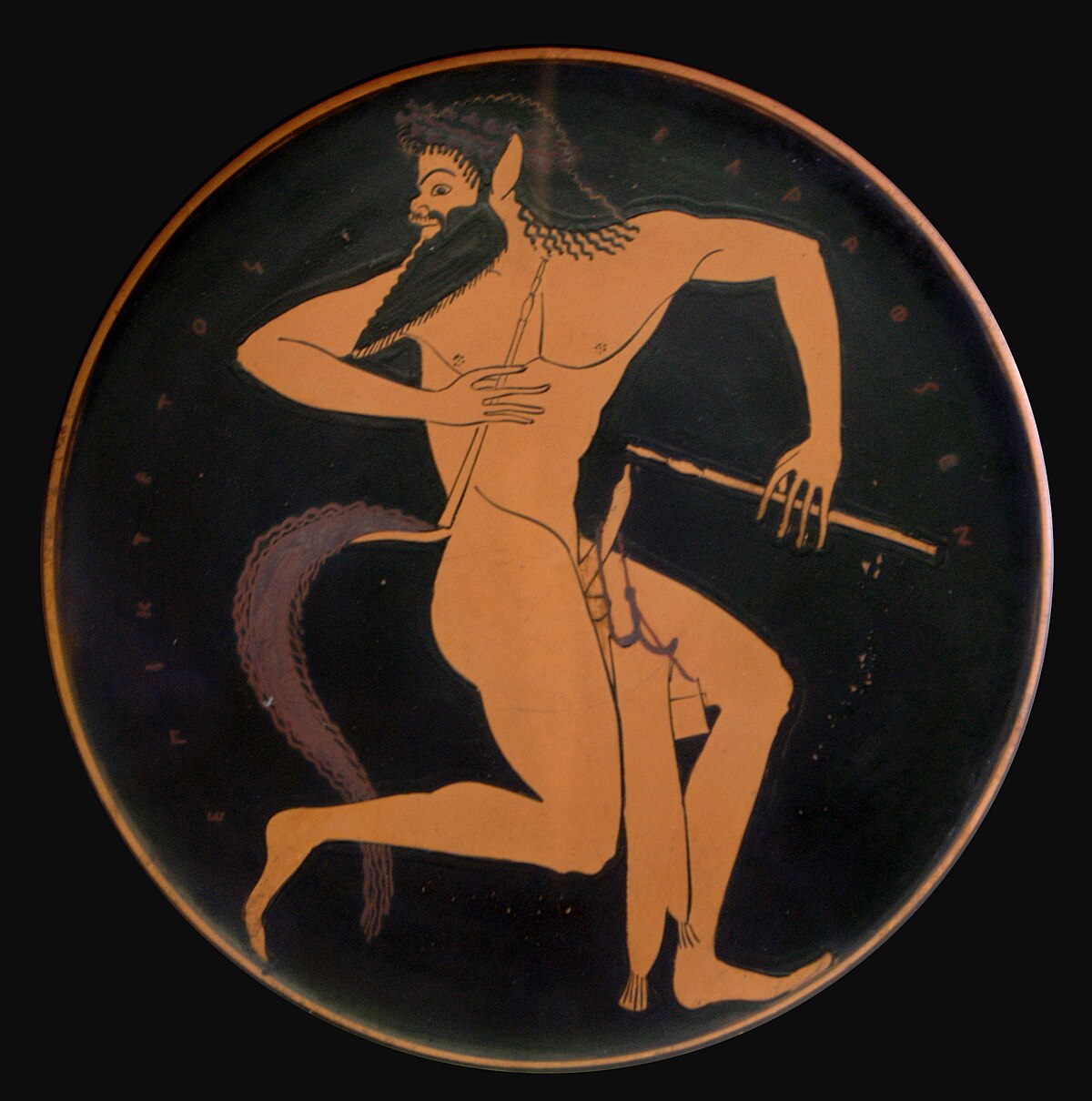
The sculpture itself is a marvel of technical skill and expressive form. Standing nearly four feet tall, the satyr is rendered in a remarkably realistic style, yet imbued with an unmistakable Mannerist flair. His muscular physique, accentuated by the strong lines of his arms and belly, speaks to a primal vitality – a celebration of the body’s inherent power. The details are exquisite: the unruly curls of his hair, the intense gaze of his eyes, the subtle suggestion of a mischievous grin. Notably, the bronze is treated with a rich, aged patina that adds depth and character, hinting at the passage of time and the sculpture's journey through history.
Cellini’s satyr isn’t simply a charming figure from Greek mythology; it’s deeply rooted in the cultural context of the 16th century. Satyrs, companions to the god Dionysus, were traditionally associated with wildness, intoxication, music, and fertility – potent symbols of human desires and impulses. In Renaissance Florence, these themes resonated powerfully, particularly within the circles of artists and intellectuals who sought to reconcile classical ideals with contemporary sensibilities. Cellini’s work reflects this complex interplay, capturing both the exuberance and the underlying melancholy inherent in the satyr's existence.
The sculpture’s creation coincided with Cellini’s time at the court of Francis I of France, a period marked by lavish patronage and an embrace of Mannerist aesthetics. This royal commission further elevated the work, imbuing it with a sense of grandeur and sophistication. The choice of bronze as the medium itself is significant – a material prized for its durability, luster, and ability to capture intricate detail.
Beyond its mythological subject matter, “Satyr” is rich in symbolic meaning. The satyr’s gesture—raised hand, as if reaching out or beckoning—suggests an invitation into a world of pleasure and abandon. The sculpture's composition, with the satyr presented in profile, creates a sense of intimacy and immediacy, drawing the viewer into his gaze. Cellini masterfully employed techniques such as *repoussé* (hammering metal from the reverse side to create relief) and *chasing* (using tools to refine the surface of the metal), demonstrating his exceptional skill as a goldsmith and sculptor.
The sculpture’s hollow back, filled with fragments of burnt clay and wooden pegs, is particularly intriguing. This deliberate inclusion suggests a layering of meaning—a reference to the satyr's connection to the earth and the cyclical nature of life and death. It also hints at Cellini’s own fascination with materials and his desire to create works that were both beautiful and intellectually stimulating.
Benvenuto Cellini’s “Satyr” remains a powerful and evocative work of art, captivating viewers with its blend of mythological narrative, technical brilliance, and emotional depth. It is a window into the Renaissance world—a celebration of human creativity, sensual desire, and the enduring power of myth. Reproductions by Most-Famous-Paintings offer an exceptional opportunity to bring this iconic masterpiece into your home or office, allowing you to appreciate its beauty and complexity for years to come.

Бенвенуто Челини (1500-1571) био је изузетан уметник и личност Италијанске ренесансе. Рођен у Фиренци, прославио се као мајстор златарства, вајар, цртач, војник, музичар и писац. Његов разнострани таленат и живописна личност су савршено заробљени у његовој знаменитој аутобиографији, која се сматра значајним књижевним делом поред његових уметничких достигнућа. Челини оличава дух манеризма – стилског правца који је следио Високу ренесансу и карактерише га драматичан израз и комплексност.
Челини је рођен у породици са музичким склоностима; његов отац је био музичар и произвођач инструмената. У почетку је показао таленат за музику, али се у петнаестој години страсно определио за каријеру златара, убедивши свог невољног оца да га прими као ученика код Антонија ди Сандра (познатог као Марконе). Овим је започела његова формална уметничка обука. Рани период живота није прошао без инцидената; са шеснаест година се укључио у сукоб са пријатељима, што га је довело до изгнанства из Фиренце и периода рада у Сијени под златарством Фракастороа. Ово искуство је било кључно за његов развој као уметника.
Челини се брзо прославио као изузетан златар, познат по својој прецизности, детаљима и оригиналним дизајном. Његова способност да обликује племените метале у сложене форме била је без премца. Међутим, његов таленат није био ограничен на златарство; такође се истакао као вајар, стварајући монументална бронзана дела која су демонстрирала његово познавање анатомије, композиције и драматичног израза.
Челини је црпео инспирацију из класичне антике, посебно из дела древних грчких и римских вајара. Такође је био под утицајем Микеланђела, чије су моћне фигуре имале значајан утицај на његов стил. Међутим, Челини није само копирао своје претходнике; развио је сопсебен и препознатљив стил карактеристичан по динамизму, реализму и пажњи посвећеној детаљима. Његова дела често одликују издужени облици, претеране позе и осећај театралности – типичне карактеристике манеризма.
Челинијев живот се протезао далеко изван радионице. Служио је као војник током опсада, тврдећи да је одиграо кључну улогу у одбрани Рима против царских снага. Био је и талентован музичар, свирајући корнет и флауту на папском двору. Међутим, његова аутобиографија га заиста издваја.
Његова аутобиографија није само препричавање догађаја; то је пажљиво конструисан само-портрет дизајниран да покаже његов таленат и оправда његове поступке. Иако понекад непоуздана због Челинијиних личних пристрасности, она остаје суштински примарни извор за разумевање ренесансног живота.
Бенвенуто Челини је умро у Фиренци 1571. године, остављајући иза себе наслеђе као један од најважнијих уметника манеризма. Његова техничка вештина, уметничка иновација и задивљујућа аутобиографија настављају да инспиришу уметнике и ентузиасте уметности широм света. Он представља квинтсенцијални ренесансни идеал – полимата вештог у различитим дисциплинама, вођеног амбицијом и неспремног да изрази своју индивидуаност. Његова дела се славе по лепоти, занатској умешности и драматичној моћи, учвршћујући његово место као кључне фигуре у западној историји уметности.

1500 - 1571 , Italija

Discover the enduring elegance of bronze sculpture. Our expert guide explores lost-wax casting, patina mastery, and professional tips for collecting and commissioning museum-quality bronze art to create a lasting legacy in your private collection.
Elevate your collection with our expert guide to bronze sculpture. Discover the mastery of lost-wax casting, the artistry of patination, and professional insights for acquiring timeless metal masterpieces that define sophisticated interiors.

Explore the profound history of gold leaf and gilding in Byzantine and Renaissance art. Discover how this sacred technique transformed religious iconography into celestial phenomena through light, symbolism, and unparalleled craftsmanship.


Budite u toku sa najnovijim vestima o umetnosti, ekskluzivnim ponudama i idejama za dekoraciju.
Recite nam o vašem projektu i naši stručnjaci za umetnost će vam pružiti 3 personalizovana predloga umetničkih dela.
Dozvolite nam da odaberemo 3 opcije specijalno za Vas - Besplatno!


 Pregledaj u prostoru
 Pošalji
 Podeli
 Detalji o delu

 Преузми
 Slični predmeti
 Rendgenski snimak
 Slajdovi

 Pročitaj više







 Opcija sa staklom dostupna je samo za dimenzije manje od 110 cm