


x


 Naručite reprodukciju Kupi digitalnu sliku
 Pošalji
 Detalji o delu
 Dodaj u omiljene
 Преузми
 Slični predmeti
 Rendgenski snimak
 Slajdovi
 Acrylic On CanvasWallArtImpressionist Movement
 1891
1891 152.0 x 85.0 cm
 Musée Marmottan Monet
Giclée štampa ili print na platnu muzejskog kvaliteta uz brzu proizvodnju i fleksibilne opcije završne obrade.





























Izaberite jednu od naših unapred definisanih veličina koje odgovaraju originalnim proporcijama umetničkog dela.

Možete uneti sopstvene dimenzije kako biste umetničko delo prilagodili specifičnom okviru ili prostoru. Ako odabrani format ne odgovara proporcijama originalne slike, mi ćemo ili iscrtati deo dela ili proširiti sliku pomoću ogledane ivice ili jednobojnog popunjavanja. Digitalni prikaz će vam biti poslat na odobrenje pre početka proizvodnje.
Imajte na umu da pregled na ekranu ne odražava stvarno iscrtavanje ili proširivanje. Samo će prikaz (mockup) precizno pokazati finalnu kompoziciju.
Iako su prilagođene dimenzije dostupne, preporučujemo da odaberete dimenziju sa unapred definisane liste kako biste očuvali originalne proporcije.
Dostava širom sveta () za 2 nedelje umesto uobičajenih 4/5 nedelja. (21 јул)


The Cherry Tree
Dimenzije reprodukcije
Berthe Morisot’s “The Cherry Tree,” painted in 1891, isn't merely a depiction of two women beneath a blossoming cherry tree; it’s an embodiment of the Impressionist ethos—a celebration of fleeting beauty and an intimate glimpse into domestic life. Situated within the Musée Marmottan Monet in Paris, this canvas transcends its physical dimensions to transport viewers back to a specific time and place, capturing the spirit of Belle Époque France.
Morisot skillfully employs loose brushstrokes—characteristic of Impressionism—to render the vibrant hues of the cherry blossoms and the subtle shades of skin tones. The artist eschews meticulous detail, prioritizing instead the impression of light filtering through the branches onto her subjects. Notice how Morisot captures the diffused glow emanating from the tree’s petals, creating an ethereal atmosphere that invites contemplation. Her technique—primarily oil paint applied in thin layers—allows for maximum luminosity and transparency, mirroring the Impressionists' fascination with capturing atmospheric conditions.
The cherry tree itself holds profound symbolic significance within Japanese culture, representing renewal, purity, and the ephemeral nature of life. In Morisot’s painting, it serves as a visual metaphor for femininity—the woman reaching upwards embodies aspiration and desire, while her companion anchors herself to the tree, symbolizing stability and connection to tradition. The gesture of picking fruit speaks to themes of nurturing and domestic responsibility, reflecting the role of women in shaping family life during this period.
Painted against the backdrop of a rapidly changing society—one grappling with industrialization and urbanization—Morisot's work stands apart from academic art traditions that favored grand narratives and idealized representations. The Impressionists sought to depict scenes from ordinary life, capturing moments of sensory experience with unprecedented honesty. “The Cherry Tree” exemplifies this artistic impulse, demonstrating Morisot’s commitment to portraying the beauty found in seemingly unremarkable subjects—a testament to her enduring legacy as one of the foremost female artists of her generation.
Ultimately, “The Cherry Tree” resonates with viewers on an emotional level. Its serene palette and harmonious composition evoke a sense of tranquility and contentment—a feeling perfectly aligned with the Impressionist desire to capture the sublime qualities of nature. More than just a visual spectacle, Morisot’s masterpiece invites us to pause, observe, and appreciate the simple joys of existence, reminding us that beauty can be found in even the most unassuming corners of our world.


1841 - 1895 , Francuska
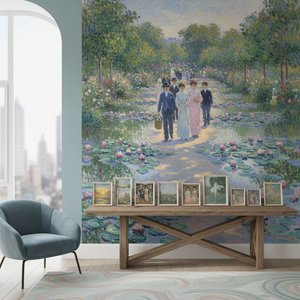
Otkrijte 10 remek dela impresionizma koji su revolucionisali umetnost! Monet, Renoir i drugi majstori – saznajte priče iza ikoničnih slika. Inspiracija za enterijer i vrhunske reprodukcije na Most-Famous-Paintings.com. Istražite kolekciju online!

Journey into the heart of Impressionism! Explore 10 masterpieces by Monet, Renoir & Degas that revolutionized landscape art. Discover their stories, techniques & find museum-quality reproductions to elevate your home decor on Most-Famous-Paintings.com.

Explore the emotional power of pastel palettes in art history! Discover Impressionism, Post-Impressionism & color psychology insights. Find museum-quality reproductions at Most-Famous-Paintings.

Uronite u svet Pierre-Auguste Renoara! Otkrijte 25 remek-dela impresionizma, priče iza slika i tehničke detalje. Reprodukcije vrhunskog kvaliteta za vaš dom dostupne na Most-Famous-Paintings.com. Istražite celu kolekciju online!

Explore the evocative landscapes of Amédée Masclef, a key figure bridging Barbizon realism & Symbolist sentiment. Discover his exquisite botanical watercolors and artistic legacy with Most-Famous-Paintings.


Budite u toku sa najnovijim vestima o umetnosti, ekskluzivnim ponudama i idejama za dekoraciju.
Recite nam o vašem projektu i naši stručnjaci za umetnost će vam pružiti 3 personalizovana predloga umetničkih dela.
Dozvolite nam da odaberemo 3 opcije specijalno za Vas - Besplatno!


 Podeli

 Pročitaj više







 Opcija sa staklom dostupna je samo za dimenzije manje od 110 cm


