x

 Akril na platnuUmetnost za zidoveBarok
 1598Renesansa
 Галерея Национальная изобразительных искусств Античная
Ručno oslikano uljanim bojama na platnu u dimenzijama i okviru po vašem izboru, izrađeno po porudžbini od strane naših umetnika. ( Pređi na štampu Prebacite na sliku)





























Izaberite jednu od naših unapred definisanih veličina koje odgovaraju originalnim proporcijama umetničkog dela.

Можете унети сопствене димензије како бисте прилагодили дело одређеном оквиру или простору. Ако одабрана величина не одговара пропорцијама оригинала, слика ће бити исечена или проширена додатним елементима који се ручно насликавају. Дигитални prikaz ће вам бити послат на одобрење пре почетка производње.
Имајте на уму да преглед на екрану не одражава стварно исецање или проширење. Само приказ (mockup) ће тачно приказати коначну композицију.
Иако су доступне прилагођене величине, препоручујемо да одаберете димензију из дефинисане листе како бисте сачували оригиналне пропорције.
Isporuka širom sveta () za 3/4 nedelje umesto uobičajenih 5 nedelja. (10 август). Bez kompromisa po pitanju kvaliteta.


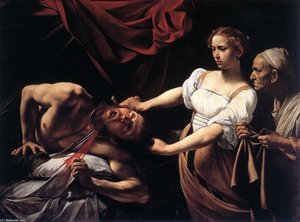
Judith Beheading Holofernes
Dimenzije reprodukcije
Michelangelo Merisi da Caravaggio’s “Judith Beheading Holofernes” transcends mere depiction; it embodies the very soul of Baroque art—a visceral confrontation with faith, morality, and human vulnerability. Painted between 1598-1599 during the turbulent Counter-Reformation, this monumental canvas resides in the Galleria Nazionale d’Arte Antica di Roma, serving as a poignant reminder of artistic innovation born from religious fervor.
Caravaggio shattered the conventions of Renaissance painting with his groundbreaking technique known as tenebrism. This dramatic approach eschewed idealized beauty in favor of unflinching realism, prioritizing emotional impact over aesthetic perfection. Light – emanating primarily from the left side – sculpts Holofernes’ form and illuminates Judith's determined gaze, creating a stark contrast that plunges the scene into profound darkness.
The painting recounts the biblical tale of Judith, a Jewish widow who bravely confronts Holofernes, Assyrian general besieging Bethulia. Caravaggio meticulously captures the gruesome moment – Judith’s decisive act of decapitation – with breathtaking precision, refusing to sanitize the brutality inherent in the narrative.
"Judith Beheading Holofernes" speaks volumes about the anxieties of its time—the Counter-Reformation's struggle against heresy and the yearning for spiritual redemption. Judith’s unwavering gaze symbolizes fortitude, while Holofernes embodies arrogance and impending doom. Caravaggio’s masterful portrayal captures not only the physical act but also the psychological drama unfolding within the darkened chamber – a testament to his ability to convey profound human experience.
"Judith Beheading Holofernes" stands as an enduring symbol of Baroque artistic achievement, influencing generations of painters who sought to emulate Caravaggio’s revolutionary style. Its dramatic lighting, unflinching realism, and symbolic depth continue to captivate audiences today, securing its place among the most iconic images of Western art history.
For those seeking inspiration or considering acquiring a high-quality reproduction, exploring Caravaggio's broader artistic output—particularly “Judith Beheading Holofernes” and Wikipedia's entry on the painting—offers invaluable insight into his groundbreaking style and enduring influence.

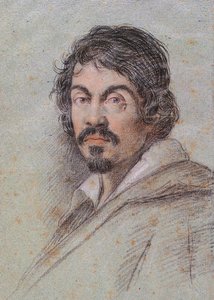
1571 - 1610 , Италија

Explore the dramatic world of Tenebrism. Discover how Baroque masters like Caravaggio used intense light and shadow to redefine realism. A definitive guide for art enthusiasts seeking to understand the power of chiaroscuro in classical masterpieces.

Explore the profound elegance of Baroque Classicism. Discover how 17th-century masters synthesized dramatic emotion with classical order through the lens of the Counter-Reformation and the works of legends like Carlo Maratta and Andrea Sacchi.

Explore the dramatic evolution from Mannerist distortion to Baroque grandeur. Discover how light, shadow, and emotion redefined art history through a masterclass in technical mastery and religious fervor.

Explore the profound drama of 17th-century Baroque art. Discover how masters used chiaroscuro, movement, and emotional intensity to redefine history through the lens of the Counter-Reformation. An expert guide for art historians and collectors seeking deep cultural insight.


Budite u toku sa najnovijim vestima o umetnosti, ekskluzivnim ponudama i idejama za dekoraciju.
Recite nam o vašem projektu i naši stručnjaci za umetnost će vam pružiti 3 personalizovana predloga umetničkih dela.
Dozvolite nam da odaberemo 3 opcije specijalno za Vas - Besplatno!


 Pregledaj u prostoru
 Pošalji
 Podeli
 Detalji o delu

 Преузми
 Slični predmeti
 Rendgenski snimak
 Slajdovi
 Pročitaj više







 Opcija sa staklom dostupna je samo za dimenzije manje od 110 cm