x

 Ulje na platnuUmetnost za zidoveImpressionistic Realism
 1862
1862 17.0 x 26.0 cm
Giclée štampa ili print na platnu muzejskog kvaliteta uz brzu proizvodnju i fleksibilne opcije završne obrade. ( Kupi ručno naslikanu sliku Kupi digitalnu sliku)





























Izaberite jednu od naših unapred definisanih veličina koje odgovaraju originalnim proporcijama umetničkog dela.

Možete uneti sopstvene dimenzije kako biste umetničko delo prilagodili specifičnom okviru ili prostoru. Ako odabrani format ne odgovara proporcijama originalne slike, mi ćemo ili iscrtati deo dela ili proširiti sliku pomoću ogledane ivice ili jednobojnog popunjavanja. Digitalni prikaz će vam biti poslat na odobrenje pre početka proizvodnje.
Imajte na umu da pregled na ekranu ne odražava stvarno iscrtavanje ili proširivanje. Samo će prikaz (mockup) precizno pokazati finalnu kompoziciju.
Iako su prilagođene dimenzije dostupne, preporučujemo da odaberete dimenziju sa unapred definisane liste kako biste očuvali originalne proporcije.
Dostava širom sveta () za 2 nedelje umesto uobičajenih 4/5 nedelja. (17 август)


Boy with the Sword
Dimenzije reprodukcije
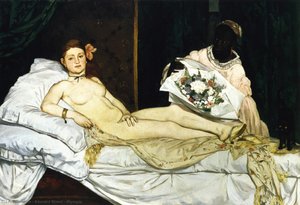
Édouard Manet’s “Boy with the Sword,” painted in 1862, is far more than a charming depiction of a young boy playing with a weapon. It's a potent distillation of anxieties simmering beneath the surface of Victorian society – anxieties surrounding masculinity, violence, and the unsettling shift towards modernity. The painting, now housed within the Metropolitan Museum of Art, immediately confronts the viewer with a startling image: a small boy, dressed in a meticulously rendered page outfit, stands rigidly on one leg, holding a full-sized sword aloft. His expression is impassive, almost unnervingly so, and his posture suggests both power and vulnerability.
Manet’s choice of subject matter – a young boy armed with a weapon – was deliberately provocative for its time. While seemingly innocent, the image resonated with broader societal concerns about the militarization of youth and the increasing prevalence of violence in European culture. The sword itself is not merely a toy; it represents authority, protection, and ultimately, destruction. The meticulous detail with which Manet renders the boy’s costume – the intricate embroidery, the polished leather boots – underscores the idealized image of boyhood that Victorian society sought to cultivate, even as anxieties about its potential for aggression grew.
“Boy with the Sword” exemplifies Manet's embrace of Realism, a movement that rejected the romanticized depictions favored by the established Salon. Unlike traditional portraiture which often idealized subjects, Manet presents a raw, unvarnished portrayal of childhood. He achieves this through his masterful use of light and shadow, reminiscent of Caravaggio and Velázquez – artists he deeply admired. Notice how the strong directional lighting emphasizes the boy’s form, creating a sense of solidity and presence. The loose brushstrokes contribute to an immediacy that feels remarkably contemporary.
The painting's composition is heavily influenced by Spanish masters, particularly Diego Velázquez, whose works Manet studied extensively. The pose of the boy, with his direct gaze and slightly awkward stance, echoes Velázquez’s depictions of young men engaged in everyday activities. The inclusion of a bird perched nearby – a detail often overlooked – further reinforces this connection to Spanish artistic traditions, adding an element of naturalism and observation.
Beyond its technical brilliance, “Boy with the Sword” is rich in symbolic meaning. The sword itself can be interpreted as representing both protection and danger, innocence and corruption. The boy’s impassive expression suggests a detachment from emotion, perhaps reflecting a growing sense of alienation within modern society. The presence of the bird – often associated with freedom and spirituality – introduces an element of ambiguity, hinting at the potential for transcendence amidst the anxieties depicted.
Manet's deliberate choice to depict a young boy wielding such a powerful weapon forces us to confront uncomfortable questions about power, responsibility, and the potential for violence. “Boy with the Sword” remains a compelling and unsettling work of art – a testament to Manet’s genius and his ability to capture the complexities of the human condition. It is a painting that continues to provoke discussion and debate over 150 years after its creation.


1832 - 1883 , Француска

Explore the profound impact of 19th-century Realism. Discover how masters like Gustave Courbet rejected idealism to capture the raw truth of contemporary life through direct observation and social commentary in this expert art history guide.


Budite u toku sa najnovijim vestima o umetnosti, ekskluzivnim ponudama i idejama za dekoraciju.
Recite nam o vašem projektu i naši stručnjaci za umetnost će vam pružiti 3 personalizovana predloga umetničkih dela.
Dozvolite nam da odaberemo 3 opcije specijalno za Vas - Besplatno!


 Pregledaj u prostoru
 Pošalji
 Podeli
 Detalji o delu

 Преузми
 Slični predmeti
 Rendgenski snimak
 Slajdovi
 Pročitaj više







 Opcija sa staklom dostupna je samo za dimenzije manje od 110 cm