


x

Giclée štampa ili print na platnu muzejskog kvaliteta uz brzu proizvodnju i fleksibilne opcije završne obrade. ( Kupi ručno naslikanu sliku Kupi digitalnu sliku)





























Izaberite jednu od naših unapred definisanih veličina koje odgovaraju originalnim proporcijama umetničkog dela.

Možete uneti sopstvene dimenzije kako biste umetničko delo prilagodili specifičnom okviru ili prostoru. Ako odabrani format ne odgovara proporcijama originalne slike, mi ćemo ili iscrtati deo dela ili proširiti sliku pomoću ogledane ivice ili jednobojnog popunjavanja. Digitalni prikaz će vam biti poslat na odobrenje pre početka proizvodnje.
Imajte na umu da pregled na ekranu ne odražava stvarno iscrtavanje ili proširivanje. Samo će prikaz (mockup) precizno pokazati finalnu kompoziciju.
Iako su prilagođene dimenzije dostupne, preporučujemo da odaberete dimenziju sa unapred definisane liste kako biste očuvali originalne proporcije.
Dostava širom sveta () za 2 nedelje umesto uobičajenih 4/5 nedelja. (20 август)


Children in the Forest
Dimenzije reprodukcije
Edvard Munch's Children in the Forest, painted in 1903, isn’t merely a depiction of three children wandering through woodland; it’s a profound exploration of the human psyche, a shimmering portal into the anxieties and mysteries that defined the Symbolist movement. Often overshadowed by his iconic *The Scream*, this work reveals a different facet of Munch's genius – one deeply rooted in personal experience and a masterful command of evocative imagery. It invites us to contemplate themes of childhood, isolation, and the blurring boundaries between reality and imagination, all rendered with an unsettling beauty.
Munch’s Symbolist approach rejects the objective realism prevalent at the time, instead prioritizing emotional truth and subjective experience. He sought to represent not what he *saw*, but what he *felt*. The painting's power lies in its ambiguity; we are left with a sense of unease, a feeling that something unseen is lurking just beyond our perception. The children themselves become symbols – emblems of innocence and curiosity, yet simultaneously imbued with an air of vulnerability and perhaps even dread.
The masterful use of light and shadow is central to Children in the Forest’s atmosphere. Munch employs a technique known as *chiaroscuro*, dramatically contrasting areas of intense illumination with deep, enveloping darkness. This isn't simply about creating depth; it actively shapes the emotional landscape of the scene. The dappled sunlight filtering through the dense foliage suggests an ethereal quality, hinting at a world both beautiful and potentially dangerous. Notice how the light seems to cling to the children’s faces, drawing our attention to their expressions – or lack thereof – as they gaze into the depths of the forest.
Furthermore, Munch's brushstrokes are deliberately loose and expressive, contributing to the painting’s sense of movement and instability. The trees themselves aren’t rendered with meticulous detail; instead, they appear almost fluid, merging with the surrounding darkness. This technique reinforces the feeling that the forest is a living entity, actively observing and perhaps even influencing the children within it.
The forest itself transcends its literal representation, functioning as a potent symbol of the unconscious mind – a place of hidden desires, primal fears, and unexplored potential. It’s a space where established rules dissolve, and the boundaries between reality and fantasy become porous. The children's positioning within this vast expanse emphasizes their isolation and vulnerability, suggesting they are embarking on a journey into the unknown.
Consider the children’s averted gaze – they aren’t looking *at* anything in particular; they are focused *beyond* the viewer, lost in contemplation or perhaps confronting something deeply personal. This deliberate ambiguity invites us to project our own anxieties and interpretations onto the scene. Munch masterfully avoids providing easy answers, leaving us with a lingering sense of mystery and prompting reflection on the nature of childhood, perception, and the human condition.
Children in the Forest stands as a testament to Edvard Munch’s ability to translate profound emotional experiences into visual form. It's a work that continues to resonate with viewers today, not just for its striking aesthetic qualities but also for its exploration of universal themes – loss, fear, and the enduring power of imagination. Reproductions of this captivating painting offer a unique opportunity to bring this evocative image into your home or office, allowing you to contemplate its layers of symbolism and emotional depth.
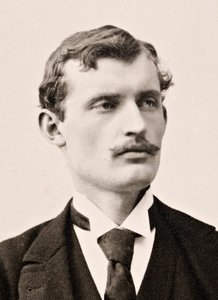
1863 - 1944 , Шведска

Explore the profound emotional depth of Expressionist portraiture. From Edvard Munch to Francis Bacon, discover how masters used distortion and color to reveal inner truths. Learn about this pivotal movement and find museum-quality oil reproductions for your collection.


Budite u toku sa najnovijim vestima o umetnosti, ekskluzivnim ponudama i idejama za dekoraciju.
Recite nam o vašem projektu i naši stručnjaci za umetnost će vam pružiti 3 personalizovana predloga umetničkih dela.
Dozvolite nam da odaberemo 3 opcije specijalno za Vas - Besplatno!


 Pregledaj u prostoru
 Pošalji
 Podeli
 Detalji o delu

 Преузми
 Slični predmeti
 Rendgenski snimak
 Slajdovi

 Pročitaj više







 Opcija sa staklom dostupna je samo za dimenzije manje od 110 cm


