


x

Giclée štampa ili print na platnu muzejskog kvaliteta uz brzu proizvodnju i fleksibilne opcije završne obrade. ( Pređite na ručno oslikano umetničko delo Prebacite na sliku)





























Izaberite jednu od naših unapred definisanih veličina koje odgovaraju originalnim proporcijama umetničkog dela.

Možete uneti sopstvene dimenzije kako biste umetničko delo prilagodili specifičnom okviru ili prostoru. Ako odabrani format ne odgovara proporcijama originalne slike, mi ćemo ili iscrtati deo dela ili proširiti sliku pomoću ogledane ivice ili jednobojnog popunjavanja. Digitalni prikaz će vam biti poslat na odobrenje pre početka proizvodnje.
Imajte na umu da pregled na ekranu ne odražava stvarno iscrtavanje ili proširivanje. Samo će prikaz (mockup) precizno pokazati finalnu kompoziciju.
Iako su prilagođene dimenzije dostupne, preporučujemo da odaberete dimenziju sa unapred definisane liste kako biste očuvali originalne proporcije.
Dostava širom sveta () za 2 nedelje umesto uobičajenih 4/5 nedelja. (31 јул)


Despair
Dimenzije reprodukcije
Edvard Munch's "Despair" is a profoundly moving oil on canvas painting created in 1892, serving as a quintessential representation of the artist’s unique style blending Expressionism and Symbolism. This artwork isn't merely a depiction; it's an exploration of human suffering, isolation, and the weight of existence.
The scene portrays a solitary man seated at a piano in a dimly lit room, his head bowed in what appears to be deep contemplation or despair. Two figures are faintly visible in the background – one standing to the left and another further back on the right – observing the central figure with an air of detachment. The color palette is dominated by dark, muted tones that amplify the somber atmosphere. Thick, expressive brushstrokes contribute to a sense of unease and movement, while the simplified landscape below recedes into the distance, emphasizing the man's isolation.
Munch masterfully employs Expressionist techniques to convey intense emotions. The bold use of color and distorted forms are not meant to represent reality accurately but rather to express an inner emotional state. The dark hues evoke a sense of melancholy and hopelessness, while the slumped posture of the central figure symbolizes resignation or despair. Symbolism is also prevalent; the piano itself can be interpreted as representing creativity and emotional expression, yet in this context, it seems unable to alleviate the man's suffering. The figures in the background represent the indifference of society towards individual struggles.
“Despair” was created during a period of significant personal turmoil for Munch. His childhood was marked by loss and illness, including the deaths of his mother and sister from tuberculosis – events that profoundly impacted his artistic vision. This painting reflects the anxieties and psychological struggles prevalent in late 19th-century Europe, a time of rapid industrialization and social change that often led to feelings of alienation and despair. Munch's own battles with mental health further fueled the emotional intensity of his work.
“Despair” resonates deeply with viewers due to its raw portrayal of human suffering and isolation. It’s a powerful reminder of the fragility of the human condition and the universality of feelings like loneliness and despair. Munch's influence on modern art is undeniable, paving the way for future generations of artists who sought to express their inner worlds through bold and expressive styles. The painting continues to captivate audiences worldwide, offering a glimpse into the complexities of the human experience that transcends time and culture.

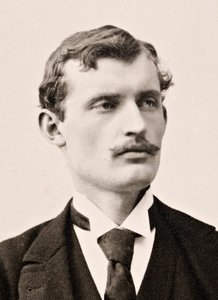
1863 - 1944 , Шведска

Istražite 25 remek-dela Edvarda Muncha i otkrijte dubinu ekspresionizma, tugu i anksioznost u njegovim ikončnim slikama. Kvalitetne reprodukcije za dekoraciju enterijera dostupne na Most-Famous-Paintings.com. Pronađite inspiraciju i kupite umetnička dela online!

Explore the rich history & enduring techniques of oil painting with Most-Famous-Paintings. Discover masterpieces, learn about art collecting, and find authentic handmade reproductions crafted by skilled artists.
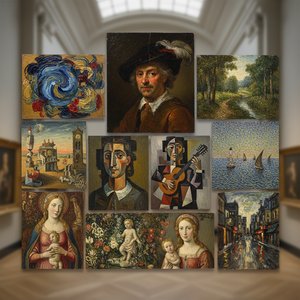
Explore 10 legendary 'Oil on Board' masterpieces by Van Gogh, Monet & more! Discover art history, iconic styles like Impressionism, and find museum-quality reproductions to elevate your home decor. Explore the full collection online at Most-Famous-Paintings.com.
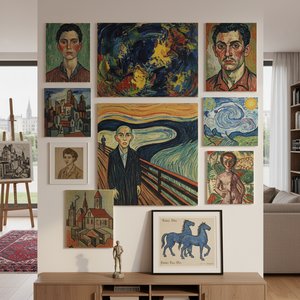
Otkrijte 10 remek-dela ekspresionizma! Uronite u svet Edvarda Muncha, Ernsta Ludwiga Kirchnera i drugih. Istaknute umetničke slike, intenzivne boje i emocionalni izraz. Pronađite inspiraciju za svoj enterijer na Most-Famous-Paintings.com – vrhunski izbor reprodukcija slika!

Uronite u svet Claudea Moneta sa 25 remek-dela impresionizma! Otkrijte priče iza poznatih slika, tehnike i inspiraciju. Reprodukcije vrhunskog kvaliteta za luksuzni dekor doma na Most-Famous-Paintings.com.


Budite u toku sa najnovijim vestima o umetnosti, ekskluzivnim ponudama i idejama za dekoraciju.
Recite nam o vašem projektu i naši stručnjaci za umetnost će vam pružiti 3 personalizovana predloga umetničkih dela.
Dozvolite nam da odaberemo 3 opcije specijalno za Vas - Besplatno!


 Pregledaj u prostoru
 Pošalji
 Podeli
 Detalji o delu

 Преузми
 Slični predmeti
 Rendgenski snimak
 Slajdovi

 Pročitaj više







 Opcija sa staklom dostupna je samo za dimenzije manje od 110 cm


