


x


 Preview
 Kupi štampu Kupi digitalnu sliku
 Pošalji
 Detalji o delu
 Dodaj u omiljene
 Преузми
 Slični predmeti
 Rendgenski snimak
 Slajdovi
Ručno oslikano uljanim bojama na platnu u dimenzijama i okviru po vašem izboru, izrađeno po porudžbini od strane naših umetnika.





























Izaberite jednu od naših unapred definisanih veličina koje odgovaraju originalnim proporcijama umetničkog dela.

Можете унети сопствене димензије како бисте прилагодили дело одређеном оквиру или простору. Ако одабрана величина не одговара пропорцијама оригинала, слика ће бити исечена или проширена додатним елементима који се ручно насликавају. Дигитални prikaz ће вам бити послат на одобрење пре почетка производње.
Имајте на уму да преглед на екрану не одражава стварно исецање или проширење. Само приказ (mockup) ће тачно приказати коначну композицију.
Иако су доступне прилагођене величине, препоручујемо да одаберете димензију из дефинисане листе како бисте сачували оригиналне пропорције.
Isporuka širom sveta () za 3/4 nedelje umesto uobičajenih 5 nedelja. (27 јул). Bez kompromisa po pitanju kvaliteta.


Eberhard Grisebach
Dimenzije reprodukcije
Edvard Munch's "Eberhard Grisebach," painted in 1893, isn’t merely a depiction of a man; it’s an embodiment of existential dread—a visual distillation of the anxieties that gripped Europe at the cusp of the 20th century. This striking portrait transcends simple representation, delving into the psychological depths of its subject and reflecting Munch's own turbulent inner life.
Historical Context: Painted during Munch’s formative years as an artist, “Eberhard Grisebach” sits squarely within the broader context of Symbolist and Expressionist movements. These artistic currents reacted against Impressionism’s focus on objective observation, prioritizing instead subjective experience and emotional intensity. The painting reflects the pervasive disillusionment following Nietzsche's proclamation that God is dead—a philosophical tremor that shook Europe and fueled a profound questioning of traditional values.
Symbolism & Emotional Impact: Munch meticulously employs symbolism to communicate his psychological concerns. The red suit, often associated with passion and authority, paradoxically underscores the figure’s vulnerability. The downward gaze symbolizes introspection and perhaps despair—a refusal to confront the horrors of existence. Most powerfully, however, is the unsettling backdrop. Two figures loom in the periphery, representing external pressures and anxieties that threaten to engulf the central subject. Their presence amplifies the feeling of isolation and reinforces Munch's preoccupation with mortality.

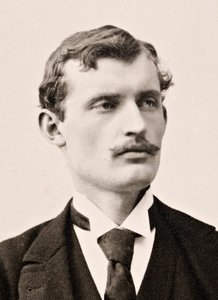
1863 - 1944 , Шведска

Stvorite trajno porodično nasleđe! Most-Famous-Paintings nudi ručno oslikane replike vrhunskih dela i personalizovane slike po vašoj želji. Kvalitet, pouzdanost i majstorski rad – pretvorite svoj dom u galeriju!

Explore the profound emotional depth & formal innovations of abstract painting. Discover key artists like Rothko & Kandinsky, understand art collecting insights, and elevate your space with timeless masterpieces. Expert analysis for discerning collectors.

Transform your cherished photos into timeless oil paintings with Most-Famous-Paintings's expert artists. Museum-quality reproductions & custom portraits, crafted to last a lifetime. Discover the art of personal legacy.

Explore the raw emotion of Expressionism with Most-Famous-Paintings. Discover its history, key artists like Kirchner & Munch, and lasting influence on modern art. Expert insights for collectors & enthusiasts.

Explore the world of acrylic painting! Discover its rich history, essential techniques, contemporary applications & renowned artists. Expert guide for beginners to professionals.


Budite u toku sa najnovijim vestima o umetnosti, ekskluzivnim ponudama i idejama za dekoraciju.
Recite nam o vašem projektu i naši stručnjaci za umetnost će vam pružiti 3 personalizovana predloga umetničkih dela.
Dozvolite nam da odaberemo 3 opcije specijalno za Vas - Besplatno!


 Podeli


 Pročitaj više







 Opcija sa staklom dostupna je samo za dimenzije manje od 110 cm


