


x

 Oil On CanvasWallArtExpressionism
 1900
1900 80.0 x 120.0 cm
Giclée štampa ili print na platnu muzejskog kvaliteta uz brzu proizvodnju i fleksibilne opcije završne obrade. ( Kupi ručno naslikanu sliku Kupi digitalnu sliku)





























Izaberite jednu od naših unapred definisanih veličina koje odgovaraju originalnim proporcijama umetničkog dela.

Možete uneti sopstvene dimenzije kako biste umetničko delo prilagodili specifičnom okviru ili prostoru. Ako odabrani format ne odgovara proporcijama originalne slike, mi ćemo ili iscrtati deo dela ili proširiti sliku pomoću ogledane ivice ili jednobojnog popunjavanja. Digitalni prikaz će vam biti poslat na odobrenje pre početka proizvodnje.
Imajte na umu da pregled na ekranu ne odražava stvarno iscrtavanje ili proširivanje. Samo će prikaz (mockup) precizno pokazati finalnu kompoziciju.
Iako su prilagođene dimenzije dostupne, preporučujemo da odaberete dimenziju sa unapred definisane liste kako biste očuvali originalne proporcije.
Dostava širom sveta () za 2 nedelje umesto uobičajenih 4/5 nedelja. (14 август)


Golgotha
Dimenzije reprodukcije
Edvard Munch's "Golgotha," painted in 1900, isn’t merely a depiction of the crucifixion; it’s a visceral plunge into the heart of human suffering. Measuring a substantial 80 x 120 cm, this oil on canvas stands as a cornerstone of Expressionism, a movement that sought to capture not just what was seen, but what was felt – the raw, unfiltered emotions beneath the surface of experience. Munch, deeply influenced by his own personal tragedies and a pervasive sense of unease inherited from his family’s history of mental illness, channeled these anxieties into a visual language profoundly unsettling yet undeniably compelling.
The painting immediately assaults the viewer with its intensely saturated colors – fiery reds and oranges dominate the sky, mirroring the agony of Christ's sacrifice. These aren’t gentle hues; they are aggressive, almost violent, reflecting the chaotic emotional landscape Munch aimed to portray. The figures surrounding the central crucifixion scene are rendered in distorted forms, their faces contorted in expressions ranging from horrified disbelief to detached apathy. This deliberate distortion is a hallmark of Expressionism, rejecting realistic representation in favor of conveying subjective feeling. Notice particularly the individuals in the crowd wearing ties – a subtle yet potent symbol referencing the established religious and political authorities who witnessed this pivotal event, highlighting the disconnect between power and empathy.
Munch’s technique is deliberately unsettling. He employs broad, sweeping brushstrokes that contribute to the painting's sense of movement and instability. The composition itself draws the eye relentlessly towards the central figure on the cross, while the surrounding figures seem trapped within a vortex of despair. The use of color isn’t intended to be beautiful in a conventional sense; it’s designed to evoke a powerful emotional response. Munch masterfully utilizes complementary colors – like the juxtaposition of red and green – to heighten the drama and create a visual tension that mirrors the psychological turmoil depicted.
Furthermore, the painting's surface is not smooth or polished. It retains a visible texture, as if reflecting the artist’s own agitated state of mind. This tactile quality invites the viewer to engage with the work on a deeper level, fostering a sense of intimacy and shared experience. The overall effect is one of raw immediacy – as if we are witnessing this agonizing scene unfold before our very eyes.
"Golgotha" exists within the broader context of late 19th-century Europe, a period marked by rapid social change, scientific advancements, and a growing sense of disillusionment. As explored in resources like Moderna Museet’s “Inner Crisis but Artistic Success,” Munch's work resonated with many artists grappling with similar anxieties about modernity and the loss of traditional values. The painting can be interpreted as a commentary on the indifference of society to suffering – those observing Christ’s crucifixion are not united in grief, but divided by apathy and self-interest.
The inclusion of figures wearing ties is particularly significant. It speaks to the hierarchical structures of power that often fail to acknowledge or address human pain. Munch's own personal struggles with mental illness, exacerbated by his family history, undoubtedly informed this powerful symbolism. “Golgotha” isn’t simply a religious depiction; it’s a deeply personal exploration of mortality, anxiety, and the isolating experience of being an outsider in a rapidly changing world.
Edvard Munch's "Golgotha" remains one of the most profoundly moving works of the Expressionist movement. His ability to translate internal emotional states into visual form continues to resonate with audiences today, solidifying his place as a pivotal figure in modern art. As highlighted by resources like Most-Famous-Paintings.com and other platforms offering high-quality reproductions, this painting’s enduring power lies in its unflinching honesty and its willingness to confront the darkest aspects of human existence. A reproduction of “Golgotha” offers a unique opportunity to bring this intensely emotional artwork into your home, serving as a constant reminder of our shared vulnerability and the importance of empathy.

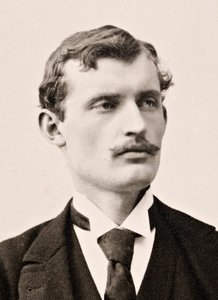
1863 - 1944 , Шведска

Istražite 25 remek-dela Edvarda Muncha i otkrijte dubinu ekspresionizma, tugu i anksioznost u njegovim ikončnim slikama. Kvalitetne reprodukcije za dekoraciju enterijera dostupne na Most-Famous-Paintings.com. Pronađite inspiraciju i kupite umetnička dela online!

Explore the profound world of Edvard Munch, pioneer of Expressionism. Discover the origins of 'The Scream' & his haunting depictions of anxiety, mortality, and love. Expert analysis & high-quality reproductions at Most-Famous-Paintings.
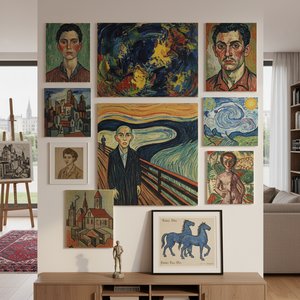
Otkrijte 10 remek-dela ekspresionizma! Uronite u svet Edvarda Muncha, Ernsta Ludwiga Kirchnera i drugih. Istaknute umetničke slike, intenzivne boje i emocionalni izraz. Pronađite inspiraciju za svoj enterijer na Most-Famous-Paintings.com – vrhunski izbor reprodukcija slika!
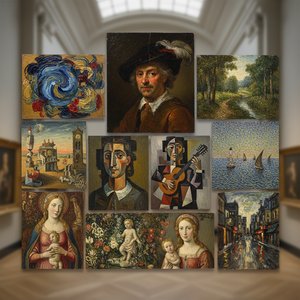
Explore 10 legendary 'Oil on Board' masterpieces by Van Gogh, Monet & more! Discover art history, iconic styles like Impressionism, and find museum-quality reproductions to elevate your home decor. Explore the full collection online at Most-Famous-Paintings.com.

Explore the rich history & techniques of oil painting – from Renaissance masters to Impressionism. Discover pigments, layering methods, and why this timeless medium endures. Expert insights for artists & art enthusiasts.


Budite u toku sa najnovijim vestima o umetnosti, ekskluzivnim ponudama i idejama za dekoraciju.
Recite nam o vašem projektu i naši stručnjaci za umetnost će vam pružiti 3 personalizovana predloga umetničkih dela.
Dozvolite nam da odaberemo 3 opcije specijalno za Vas - Besplatno!


 Pregledaj u prostoru
 Pošalji
 Podeli
 Detalji o delu

 Преузми
 Slični predmeti
 Rendgenski snimak
 Slajdovi
 Pročitaj više







 Opcija sa staklom dostupna je samo za dimenzije manje od 110 cm


