


x

Giclée štampa ili print na platnu muzejskog kvaliteta uz brzu proizvodnju i fleksibilne opcije završne obrade. ( Kupi ručno naslikanu sliku Kupi digitalnu sliku)





























Izaberite jednu od naših unapred definisanih veličina koje odgovaraju originalnim proporcijama umetničkog dela.

Možete uneti sopstvene dimenzije kako biste umetničko delo prilagodili specifičnom okviru ili prostoru. Ako odabrani format ne odgovara proporcijama originalne slike, mi ćemo ili iscrtati deo dela ili proširiti sliku pomoću ogledane ivice ili jednobojnog popunjavanja. Digitalni prikaz će vam biti poslat na odobrenje pre početka proizvodnje.
Imajte na umu da pregled na ekranu ne odražava stvarno iscrtavanje ili proširivanje. Samo će prikaz (mockup) precizno pokazati finalnu kompoziciju.
Iako su prilagođene dimenzije dostupne, preporučujemo da odaberete dimenziju sa unapred definisane liste kako biste očuvali originalne proporcije.
Dostava širom sveta () za 2 nedelje umesto uobičajenih 4/5 nedelja. (16 август)


Hermann Schlittgen
Dimenzije reprodukcije
Edvard Munch's "The Man," painted in 1893, stands as a haunting testament to the anxieties simmering beneath the surface of late nineteenth-century European consciousness. More than just a depiction of an individual figure, it embodies a profound exploration of psychological distress—a preoccupation with themes that would solidify Munch’s reputation as one of the pioneers of Expressionism and profoundly influence subsequent artistic movements.
Beyond its formal elements, “The Man” is laden with symbolic significance. The yellow wall behind the figure represents warmth and optimism—a deceptive façade concealing a darker reality. It contrasts sharply with the man’s muted palette, highlighting his isolation and vulnerability. Crucially, the umbrella held by the man serves as a poignant emblem of protection against an unseen threat—perhaps representing futile attempts to shield oneself from overwhelming emotions or inescapable fate.
"The Man" transcends mere portraiture; it’s an unflinching portrayal of psychological anguish. Munch's ability to distill complex emotions into a single image is remarkable, capturing the essence of existential dread with breathtaking subtlety. The painting compels viewers to confront uncomfortable questions about identity, mortality, and the human experience—leaving them with a lingering sense of unease and contemplation.

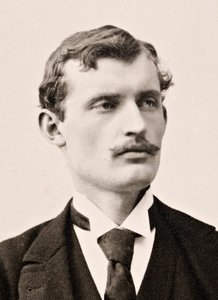
1863 - 1944 , Шведска


Budite u toku sa najnovijim vestima o umetnosti, ekskluzivnim ponudama i idejama za dekoraciju.
Recite nam o vašem projektu i naši stručnjaci za umetnost će vam pružiti 3 personalizovana predloga umetničkih dela.
Dozvolite nam da odaberemo 3 opcije specijalno za Vas - Besplatno!


 Pregledaj u prostoru
 Pošalji
 Podeli
 Detalji o delu

 Преузми
 Slični predmeti
 Rendgenski snimak
 Slajdovi
 Pročitaj više







 Opcija sa staklom dostupna je samo za dimenzije manje od 110 cm


